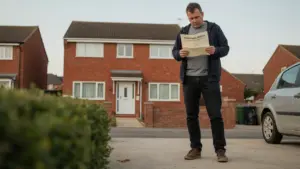
East London homeowners are increasingly looking to improve existing properties through loft conversions, rear extensions, basement developments and internal structural alterations. These projects can create valuable additional living space, but building in established residential areas presents a particular challenge: the work may affect buildings that share walls, sit close to boundaries or have foundations of uncertain depth.
For property owners in Hackney, Stratford, Bow, Leyton, Walthamstow and surrounding areas, appointing experienced party wall surveyors in East London can help manage the legal and practical issues that arise when construction takes place close to neighbouring properties.
The objective is not simply to complete paperwork. It is to establish the correct procedure, document existing property conditions, address concerns about proposed works and help reduce the risk of avoidable disputes during construction.
Why East London Properties Need Careful Party Wall Planning
East London contains a varied mix of Victorian and Edwardian terraces, converted houses, modern apartment blocks and newer developments built within established residential streets. Each type of property can present different considerations when neighbouring owners plan building work.
Older Terraced Houses and Shared Walls
In many terraced streets, adjoining homes share a wall or have structures positioned close to the boundary. A loft conversion may require steel beams to be inserted into a party wall, while a chimney breast removal could affect a shared structure.
Even when the main construction takes place inside one property, certain structural operations may fall within the Party Wall etc. Act 1996.
A party wall surveyor can assess the proposed work and help determine whether the statutory notice procedure applies.
Rear Extensions and Restricted Access
Rear extensions and side-return developments are common ways of improving the layout of East London homes. However, narrow access routes, adjoining gardens and closely positioned buildings can complicate construction.
Where proposed work involves building at a boundary, working on a party wall or excavating near a neighbouring building, the applicable legal requirements need to be considered before construction starts.
Basement Conversions and Foundation Risks
Basement projects require particular care because excavation can affect the ground around neighbouring buildings. Under Section 6 of the Party Wall etc. Act 1996, certain excavations within three or six metres of neighbouring buildings trigger notice requirements, depending on the proposed depth and the statutory tests.
A surveyor can help identify whether the excavation provisions apply and address relevant safeguards through the statutory process.
The precise foundation conditions and proposed excavation details matter. It should not be assumed that every basement project follows the same procedure.
What Do Party Wall Surveyors in East London Actually Do?
Party wall surveyors deal with matters arising under the Party Wall etc. Act 1996. Their role depends on whether the property owner is planning the work, whether an adjoining owner has consented and whether a statutory dispute has arisen.
Assessing the Proposed Works
A surveyor reviews the nature and location of the planned construction to help establish whether the Act applies.
Relevant details may include architectural drawings, structural engineering information, proposed excavation depths and the position of adjoining buildings.
This early assessment can help property owners understand the steps required before their contractors begin work.
Managing Notices and Responses
Where the Act applies, the building owner must serve the relevant notice on adjoining owners. The type of notice and the required notice period depend on the proposed work.
Under the statutory procedure, adjoining owners may consent or dissent, and a failure to respond within the applicable period can result in a dispute being deemed to have arisen.
A surveyor can help owners understand the process and avoid relying on informal conversations as a substitute for required formal notices.
Recording the Condition of Neighbouring Properties
A schedule of condition records the visible condition of relevant parts of an adjoining property before work begins. It may include photographs and written descriptions of existing cracks, finishes and other visible features.
This record can be particularly useful where older buildings already show signs of movement or wear.
Although a schedule of condition is not a universal statutory requirement, it can provide an important factual reference if concerns about construction-related damage arise later.
Preparing a Party Wall Award
Where a dispute arises under the Act, the appointed surveyor or surveyors may prepare a party wall award.
Depending on the circumstances, the award can specify the authorised works, relevant working arrangements, protective measures, access provisions and responsibility for applicable costs.
The surveyor’s statutory role is to resolve relevant matters fairly and impartially. A party wall award does not give a neighbour unrestricted power to prevent lawful works, nor does it replace planning permission or building regulations approval.
Choosing a Party Wall Surveyor for Your East London Project
Not every building project requires the same level of surveyor involvement. The appropriate approach depends on the proposed works, the neighbouring properties and whether the owners agree on the statutory procedure.
When selecting a party wall surveyor, consider the following factors.
Experience With Similar Properties
A professional familiar with terraced housing, converted flats, extensions and excavation projects may be better placed to understand the practical issues associated with your particular development.
Ask about experience with comparable works rather than relying on location alone.
Clear Explanation of Legal Responsibilities
The surveyor should explain whether the Act is likely to apply, what notices may be needed and what happens if an adjoining owner does not consent.
They should also distinguish party wall matters from planning permission, building regulations and boundary ownership disputes.
Appropriate Professional Independence
Where a surveyor is appointed under the statutory dispute-resolution procedure, they must carry out their duties impartially. This is important because the process is intended to resolve matters arising under the Act, not simply advance one owner’s preferences.
Transparent Fees and Scope of Work
Ask for a clear explanation of the proposed services, fees, inspections and any circumstances that could result in additional charges.
Where separate surveyors are appointed, costs may differ from an agreed-surveyor arrangement. The building owner commonly pays reasonable costs associated with the statutory procedure, although the allocation of costs depends on the circumstances and applicable legal provisions.
What Happens if Your East London Neighbour Objects to Building Work?
An objection does not automatically mean that a proposed extension or conversion must be abandoned.
If an adjoining owner dissents from a valid party wall notice, or a dispute is deemed to have arisen under the Act, the statutory surveyor procedure can be used to resolve the relevant matters.
The owners may agree to appoint one surveyor, known as an agreed surveyor, or appoint separate surveyors. If separate surveyors cannot agree on an award, a third surveyor may be involved in accordance with the Act.
The resulting award addresses matters within the surveyors’ statutory remit. It does not determine every possible disagreement between neighbours, such as a separate dispute over the legal boundary or a planning objection.
Early communication can help identify concerns before they become more difficult to manage. However, owners should not assume that informal agreement removes the need to follow statutory procedures where these apply.
Party Wall Notices and Construction Timelines
One of the most practical reasons to address party wall matters early is the effect they can have on a construction schedule.
For example, a homeowner planning a loft conversion may already have appointed a contractor and arranged materials. If the work requires a party structure notice, the statutory notice period generally needs to be at least two months. Certain notices relating to new walls at boundaries and qualifying excavations generally require at least one month.
The required procedure should therefore be considered while the design and construction programme are being developed, rather than left until the intended start date is approaching.
A sensible project sequence includes:
- Reviewing the proposed design and structural details.
- Establishing whether the Party Wall etc. Act 1996 applies.
- Identifying the relevant adjoining owners.
- Serving the correct notices within the applicable timeframes.
- Resolving any dispute through the appropriate statutory procedure.
- Coordinating the resulting requirements with the contractor’s programme.
This approach cannot guarantee that delays will never occur, but it can reduce the risk of avoidable disruption caused by late notice or unresolved party wall matters.
How Party Wall Matters Fit Into the Wider Planning Process
Party wall procedures form only one part of preparing a property development for construction.
An extension may require planning permission, permitted development checks or building regulations approval. A basement scheme may also require detailed structural design and other technical assessments. Each requirement addresses a different aspect of the proposed work.
A party wall award does not grant planning permission, and planning permission does not remove the obligation to comply with the Party Wall etc. Act 1996 where it applies.
For East London property owners, coordinating these requirements early can help establish a clearer route from initial design to construction.
Charrette Law can assist property owners and developers with planning-related considerations affecting their projects, helping them understand relevant planning requirements and identify issues that may need specialist input. Where a project also involves party wall matters, a suitably experienced party wall surveyor should be consulted for advice on the statutory procedure.
Frequently Asked Questions
Do I need a party wall surveyor for an extension in East London?
Not every extension requires a party wall surveyor. The Party Wall etc. Act 1996 may apply if the work involves a party wall, a new wall at a boundary or qualifying excavation near a neighbouring building. If an adjoining owner dissents or a dispute is deemed to have arisen, the statutory surveyor procedure may be required.
How much does a party wall surveyor cost in East London?
Fees vary according to the complexity of the work, the number of adjoining owners, the surveyor appointment arrangements and the amount of work required. Request a clear fee proposal and establish what is included before making an appointment.
Can my neighbour prevent my loft conversion or extension?
A neighbour’s objection under the Party Wall Act does not automatically prevent work that is otherwise lawful. The statutory procedure can resolve relevant party wall disputes. However, separate issues involving planning permission, building regulations, land ownership or other legal rights may still affect the project.
When should I serve a party wall notice?
Notice should be served in accordance with the relevant statutory requirements and before the work begins. Party structure notices generally require at least two months, while certain notices for new walls at boundaries and qualifying excavations generally require at least one month. The precise requirements depend on the work involved.
Is a schedule of condition compulsory?
A schedule of condition is not universally required by the Act. Nevertheless, recording the visible condition of relevant neighbouring property before construction can help provide evidence if a later dispute concerns alleged damage.
Does a party wall award replace planning permission?
No. A party wall award deals with relevant matters under the Party Wall etc. Act 1996. Planning permission and building regulations approval are separate requirements, where applicable.
Does the Party Wall etc. Act 1996 apply in Scotland?
No. The Act applies in England and Wales. Different legal rules apply in Scotland and Northern Ireland, so property owners should seek advice relevant to the location of their project.
Conclusion
For property owners planning extensions, loft conversions, basement works or structural alterations, party wall surveyors in East London can help address the legal and practical issues associated with building close to neighbouring properties.
The most effective approach is to assess the proposed work early, understand the applicable notice requirements, record relevant property conditions and resolve disputes through the correct statutory procedure.
Whether you are improving a terraced house, converting a period property or developing a site in a built-up neighbourhood, coordinating party wall matters with the wider planning and construction process can help you make informed decisions before work begins.
Contact Charrette Law to discuss the planning considerations affecting your East London property project and understand what professional support may be appropriate for your next steps.