
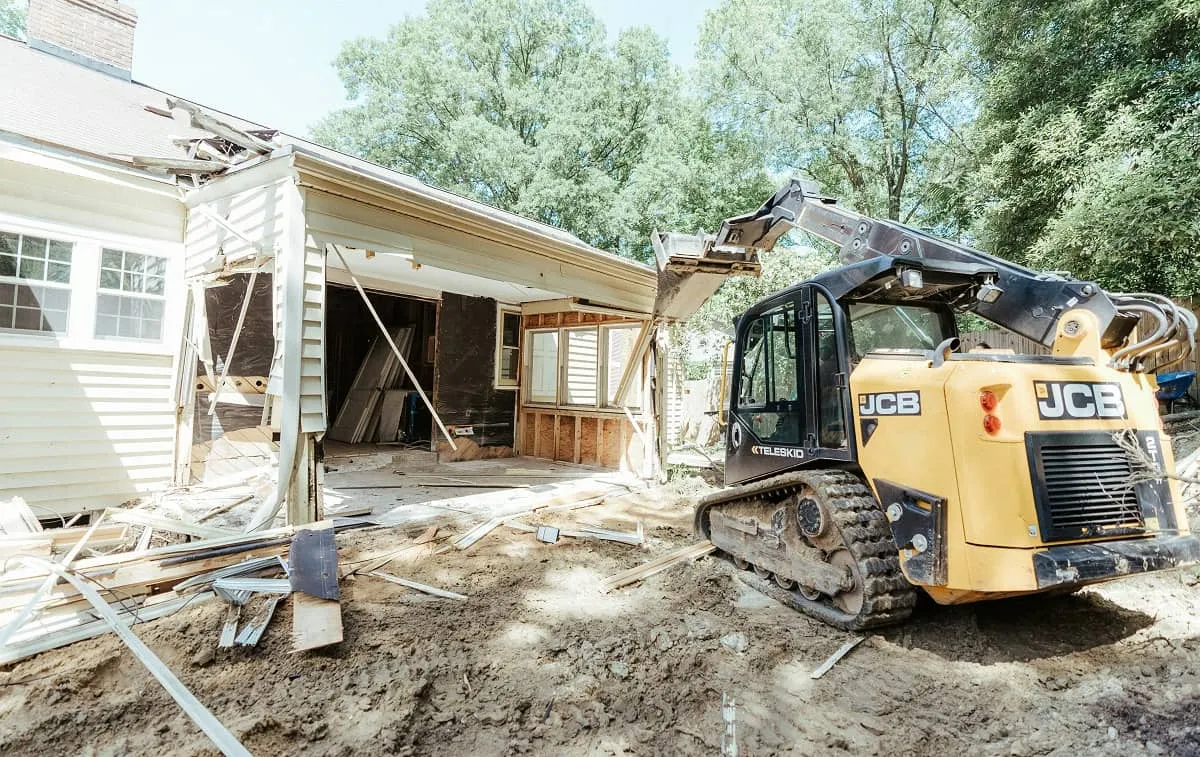
Planning applications for demolition can be contentious, affecting the character, environment, and community life of towns and cities across the UK. While development is often necessary and can bring positive changes, many proposals raise valid concerns for residents and stakeholders. Objecting to planning applications for demolition requires an understanding of the legal framework, the consultation process, and the effective presentation of your arguments. This guide is crafted to help you understand the process of making a demolition planning objection in the UK, increasing your chances of influencing the outcome.
Understanding Demolition Planning in the UK
In the United Kingdom, demolition of buildings often requires planning permission, particularly if the structure is located within a conservation area, is listed, or if the site is of community significance. Demolition planning objection UK is a common phrase found in legal documents, council literature, and community campaigns. Authorities must balance the needs of development against the protection of heritage, environment, and community well-being.
Demolition may fall under the remit of permitted development rights, but many demolitions require a specific application known as “Prior Approval for Demolition.” This process allows local councils and the public to object to the proposed works within set time frames. Local authorities must assess the potential impact of demolition, including design, sustainability, heritage, and public safety. Understanding how to raise a meaningful objection can be vital in protecting valuable buildings and community assets.
Types of Demolition Requiring Planning Permission
Not all demolitions are equal in the eyes of the law. Some buildings can be demolished without full planning permission, especially if they are not listed or situated in protected areas. Nevertheless, most substantial demolitions, especially those within conservation areas, affecting listed properties, or larger-scale projects, will require planning permission or prior approval. Typical circumstances requiring permission include:
- Demolition in a conservation area
- Demolition of listed buildings
- Demolition in areas with Article 4 directions removing permitted development rights
- Demolitions with potential major environmental impacts
Understanding if the application in question falls into these categories is crucial before lodging an objection.
When and How to Object to Demolition Planning Applications
The process of objecting to a demolition planning application begins when a local authority or developer submits an application to the local council. The council then publishes the proposal, inviting comments from the public. This period, typically lasting 21 days, is the critical window for submitting a demolition planning objection in the UK.
- Monitor Planning Applications: Regularly check your local council’s website for new planning applications, or set up alerts for your area.
- Review the Proposal: Examine all available documents—plans, environmental assessments, heritage statements—and consider their impact.
- Gather Evidence: Take photographs, collect historical data, and collate support from the community.
- Draft Your Objection: Clearly outline relevant objections and back them up with planning policy references.
- Submit Within the Deadline: Ensure your objection is lodged before the public consultation closes.
Grounds for Objecting to Demolition Planning Applications
A demolition planning objection UK must be based on material planning considerations. Vague objections or those based solely on personal preference are rarely successful. Common material considerations include:
- Heritage and Conservation: If the building is of historic or architectural interest, its demolition may harm the character of the area.
- Environmental Impact: Demolition could harm local wildlife, trees, or green spaces.
- Community Value: The loss of a building used for community gatherings can leave social gaps.
- Design and Townscape: Removing a structure may negatively affect the street scene or visual harmony.
- Noise, Dust, and Disturbance: Demolition works can cause temporary or even long-lasting disruption.
- Highways and Traffic: Large demolition projects may worsen congestion or pose transport risks.
- Contamination and Health: The release of asbestos or other hazardous materials is a genuine concern.
Referencing relevant policies from your local authority’s development plan and the National Planning Policy Framework (NPPF) can strengthen your case.
How to Structure a Strong Demolition Planning Objection Letter
Writing a well-reasoned, organised objection is crucial. Here are the best practices for preparing your demolition planning objection UK letter:
Be Clear and Concise: State your objection’s main points in the first paragraph and structure the letter accordingly.
Reference Relevant Policies: Cite specific local and national planning policies that the demolition contravenes.
Focus on Material Considerations: Avoid emotive or irrelevant arguments; stick with planning issues.
Include Evidential Support: Attach photographs, maps, and supporting documents where appropriate.
Represent Community Views: If many locals object, enclose a petition or note the level of public concern.
Include Contact Details: Provide your address and contact information so the council can contact you if needed.
A template could look like this:
Subject: Objection to Planning Application Ref. [Reference Number] – [Site Address]
Dear Sir/Madam,
I write to object to the above planning application for demolition at [Site Address] on the following grounds:
[List grounds with reference to policies, local impact, evidence, community views, etc.]I urge the Council to refuse this application. [Optional: Suggest alternative solutions, such as conversion or partial retention.]
Yours sincerely,
[Your Name and Address]
Getting Community Support for Your Demolition Planning Objection
Objections from multiple individuals and groups can have a more significant impact than a lone objection. Consider the following steps to build support:
- Inform the Community: Hold meetings, circulate flyers, or use social media groups to raise awareness.
- Organise Petitions: Gather signatures from those affected by the demolition proposal.
- Engage Local Councillors: Councillors influence planning committees and can champion community concerns.
- Contact Local Media: Press coverage can highlight the issue to a broader audience and apply pressure on decision-makers.
- Work with Conservation Groups: National and regional heritage organisations can add expertise and authority.
The more voices united in a demolition planning objection UK process, the harder it is for decision-makers to ignore public concerns.
The Role of Conservation Areas and Listed Building Status
Demolition in conservation areas or of listed buildings is highly regulated. Applications affecting such buildings undergo stricter scrutiny, and objections weighing on heritage and character are given more consideration.
- Listed Buildings: Demolition of listed buildings requires Listed Building Consent, which is granted only in exceptional circumstances where the demolition case clearly outweighs retention.
- Conservation Areas: Local planning authorities must give special attention to preserving or enhancing the character and appearance of the area. Objections based on loss of architectural value or harmful changes are powerful tools in these cases.
When objecting to the demolition of such buildings, reference Historic England guidance, your council’s Conservation Area Appraisal, and case studies of successful objections for similar contexts.
Environmental and Health Implications of Demolition
An often-underestimated aspect of a demolition planning objection UK is the environmental and health impact. Demolition can generate large quantities of waste, dust, noise, particulate pollution, and may even release hazardous substances (asbestos or lead paint). Such impacts can be raised as objections, especially if the applicant’s documentation fails to mitigate them.
Key points to consider include:
- Evidence of wildlife or protected species on site
- Lack of dust, noise, and waste mitigation plans
- Risk of contaminant exposure for nearby residents
- Disturbance to neighbouring schools, hospitals, or public amenities
Consult Environmental Impact Assessments and request stronger conditions or outright refusal where impacts are inadequately addressed.
Challenging Demolition Proposals Through Strong Planning Objections
Demolition proposals can have lasting consequences for local communities, heritage assets, environmental sustainability, and the overall character of an area. Whether a development involves the removal of historic buildings, structures within conservation areas, or valued community spaces, submitting a well-prepared demolition planning objection UK can play a vital role in ensuring that all impacts are properly assessed before any decision is made. Strong objections grounded in planning policy, environmental concerns, and heritage considerations can significantly influence the planning process and encourage more responsible development outcomes.
Understanding the legal framework surrounding demolition planning applications, including conservation area protections, listed building consent, and environmental regulations, is essential when preparing an effective objection. Concerns relating to heritage loss, public amenity, environmental harm, health and safety risks, and inadequate mitigation measures should be clearly evidenced and linked to local and national planning policies. Early engagement with planning consultants, heritage specialists, and environmental professionals can substantially strengthen the credibility and effectiveness of your objection.
Contact Charrette Law today for expert assistance with demolition planning objections, heritage planning matters, and environmental planning concerns. Our experienced team can help you review planning applications, identify policy conflicts, prepare comprehensive objections, and protect your property, community interests, and local environment through strategic planning and legal support.