
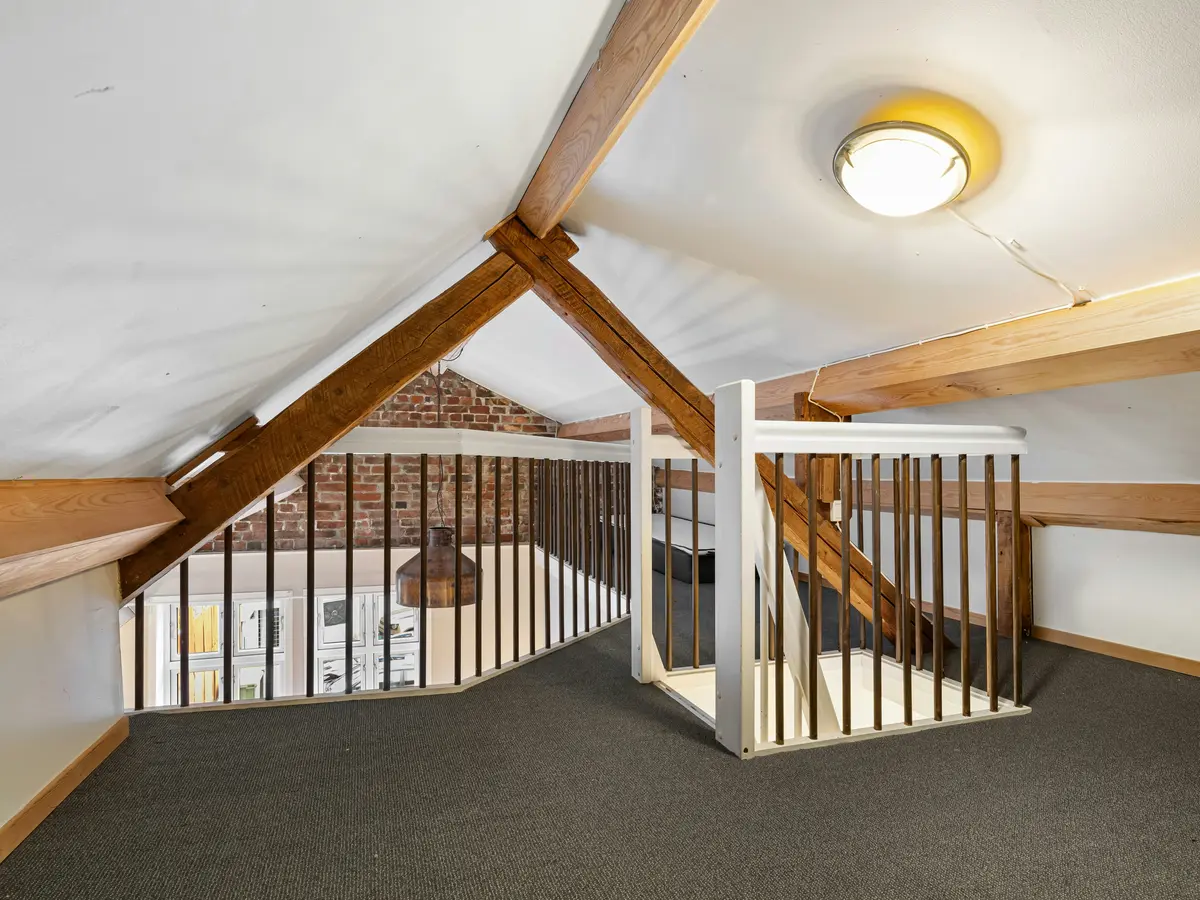
Loft Conversion Planning Objections Nottingham
Transforming unused attic space into a habitable room is becoming an increasingly popular home improvement project across the UK. In Nottingham, many homeowners see loft conversions as a cost-effective solution to space limitations, allowing for additional bedrooms, home offices, or recreational areas without the need to move house. However, the planning process can be more complex than initially anticipated, especially when neighbours or the local council raise concerns. Understanding the potential planning objections and how to address them is vital for a successful loft conversion project. In this comprehensive guide, we’ll help Nottingham homeowners navigate common loft conversion planning objections, avoid unnecessary delays, and increase the chances of smooth approval.
The Importance of Planning Permission for Loft Conversions in Nottingham
While many smaller loft conversions fall within permitted development rights, larger projects, or those involving significant structural changes, will typically require planning permission from the Nottingham City Council or other relevant local authorities. Whether or not you need formal approval depends on the scope of your loft conversion, issues like changing the roof structure, dormer extension size, the property’s age (e.g., listed buildings or those in conservation areas), and the distance to neighbouring boundaries all influence your application.
Even when the development itself complies with technical regulations, objections from neighbours or the planning officer may arise, potentially affecting your approval. Gaining a solid understanding of the planning process and typical objections can make the difference between a successful conversion and costly disappointment.
Common Grounds for Loft Conversion Planning Objections in Nottingham
Nottingham, like many cities, upholds strict planning policies to ensure new developments do not adversely impact the amenity of the area or residents. Objections can arise at different stages, especially during the neighbour consultation period. Here are the most frequent causes of planning objections for loft conversions in Nottingham:
- Loss of Privacy: One of the primary issues is the potential loss of privacy for neighbouring properties. Dormer windows or Velux windows which directly overlook adjoining gardens or rooms may raise concerns, as they could allow direct views into neighbours’ private spaces. This is a prevalent cause of objection, particularly in densely populated neighbourhoods.
- Loss of Light and Overshadowing: Another common objection focuses on the overshadowing of neighbouring properties or gardens. Significant roof extensions can sometimes block natural light, affecting both the living standards and the energy efficiency of neighbouring homes.
- Overbearing Impact: The scale and design of a loft conversion may be perceived as too intrusive or dominant compared to the original roofline or surrounding architecture, leading to complaints that the extension would be unacceptably overbearing or out of character with the area.
- Out of Character: Planners and neighbours may object if the proposed loft conversion is deemed out of keeping with the style and aesthetics of nearby homes, particularly in conservation areas or where there is a consistent streetscape.
- Noise and Disturbance: Concerns about increased noise from additional bedrooms or the conversion process itself can lead to objections, particularly if there is limited separation between properties.
- Impact on Parking and Services: Adding new bedrooms may result in concerns about increased demand for parking spaces or local infrastructure pressures, which is sometimes raised as a reason for objection, especially in areas with limited parking provision.
- Structural Concerns: Neighbours may worry that the development could compromise the structural integrity of adjoining buildings, though these issues are typically addressed later under building regulations rather than at the planning stage.
- Breaches of Policies or Permitted Development Rights: Projects that do not fully comply with local planning policies or exceed permitted development rights can cause the council to reject the application outright.
The Neighbour Consultation Process
When you submit a planning application for a loft conversion in Nottingham, the council will notify neighbours who may be affected by the proposed development. They will be given a period (usually 21 days) to make formal comments or objections regarding the application. It is crucial to be aware that not all objections carry equal weight; only those that relate directly to material planning considerations—such as those outlined above—are taken into account by planning officers.
It is important to be proactive: open early communication with neighbours, sharing drawings and plans, and listening to their concerns can often pre-empt complaints and foster goodwill. Some objections may stem from misunderstandings, which can be clarified with clear, accurate information.
Role of Nottingham City Council in Handling Loft Conversion Objections
The local planning authority in Nottingham is responsible for assessing applications and considering any objections received. They are required to balance the property owner’s right to develop with the need to safeguard public and neighbour interests.
Planning officers give weight to objections only where they are relevant to planning policy, such as those addressing loss of privacy, light, character, and similar factors. Issues regarding property value, personal disputes, or fears of disturbance that are not substantiated by evidence are unlikely to influence the decision.
Planners also reference local planning guidance and national policy, such as the Nottingham Local Plan and the National Planning Policy Framework (NPPF), when arriving at a decision. They may suggest alterations to address concerns, negotiate conditions to mitigate impact, or refuse permission where necessary.
How to Reduce the Likelihood of Planning Objections for Loft Conversions in Nottingham
There are practical steps that property owners and developers can take to minimise the risk of objections and smooth the path to approval for their loft conversion projects in Nottingham:
- Research Local Planning Policy: Read the relevant sections of the Nottingham Local Plan and any supplementary design guidance. Understanding what has been approved (or refused) in your area can help you refine your plans to better fit expected criteria.
- Hire an Experienced Architect or Designer: Professionals who are familiar with local requirements can design sympathetic conversions that anticipate common issues and address them in the initial stages, reducing the chance of formal objections.
- Maintain Open Communication with Neighbours: Share your intentions early, provide drawings and expected timelines, and be responsive to concerns. Sometimes, simple design tweaks can resolve potential issues before official objections are raised.
- Opt for Permitted Development Where Possible: Designing your loft conversion within the limits of permitted development rights (e.g., staying below height restrictions and using materials in keeping with the existing house) can sidestep the need for full planning permission. Confirm these rights apply, as some areas (such as conservation areas) restrict them.
- Consider Privacy and Light: Position new windows to avoid overlooking, use frosted glass where appropriate, and set back dormers to reduce their visual impact and risk of overshadowing.
- Retain Character: Use materials and finishes that match the existing property, and ensure the new extension sits comfortably with neighbouring buildings.
Responding to Loft Conversion Objections: Strategies for Nottingham Homeowners
If an objection to your loft conversion is raised, quick and constructive action can often resolve the issue, or at least demonstrate your willingness to accommodate neighbours and the council’s concerns. Here are the recommended steps:
- Understand the Objection: Request clarification from your neighbour or the council if an objection isn’t clear. Identify the root cause—privacy, overshadowing, or noise—and consider whether alterations can address these concerns.
- Seek Professional Advice: Your architect or planning consultant should be able to propose design amendments or additional reports (such as daylight surveys) to mitigate the points raised.
- Offer Reassurance: Providing evidence-based responses, such as technical drawings or daylight analysis, may allay concerns and show the council that you have made every effort to avoid negative effects.
- Negotiate Solutions: Sometimes minor changes—moving a window, reducing the height or size of a dormer, or planting screening trees—can solve the problem without major redesigns.
- Prepare for Committee: If the application is going to the planning committee due to the volume of objections or their seriousness, be prepared to present your case or provide additional written submissions.
Successfully Navigating Loft Conversion Planning Objections in Nottingham
Loft conversions remain one of the most effective ways to increase living space and add value to a property in Nottingham. However, securing planning approval is not always straightforward, particularly when concerns arise regarding privacy, overshadowing, design, neighbourhood character, or compliance with local planning policies. Understanding the most common planning objections and addressing them proactively can significantly improve the likelihood of a successful outcome.
By researching Nottingham’s planning requirements, engaging experienced architectural and planning professionals, communicating openly with neighbours, and designing a scheme that respects both the surrounding area and neighbouring properties, homeowners can minimise objections and avoid costly delays. Where concerns are raised, a willingness to adapt designs and provide supporting evidence often helps resolve issues before they become major obstacles.
Ultimately, a well-planned loft conversion that balances the needs of the homeowner with the interests of the wider community is far more likely to gain approval. With careful preparation, thoughtful design, and a clear understanding of the planning process, Nottingham homeowners can confidently transform unused roof space into valuable, functional living accommodation while navigating planning objections successfully.