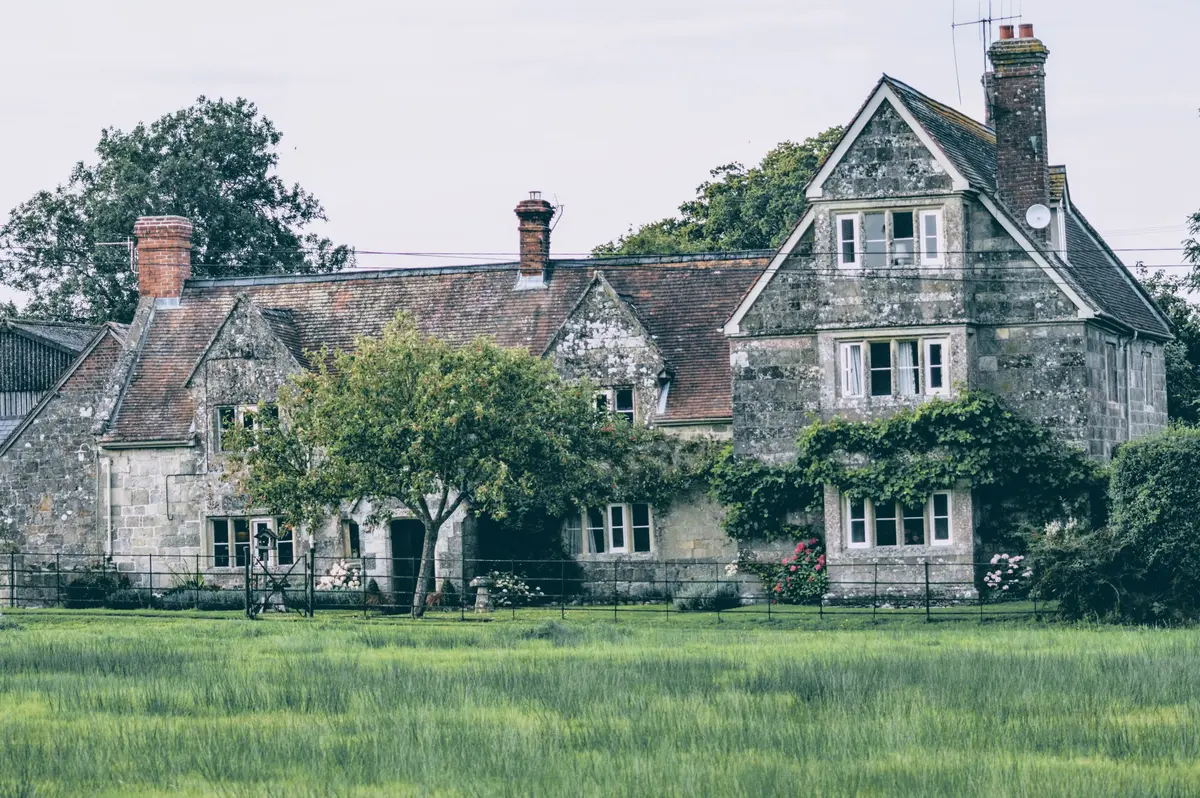
Understand listed building planning permission, including when it is required, listed building consent, applications, permitted development, costs and planning advice.
Owning a listed building can present unique opportunities, but it also comes with additional planning controls. If you are considering extending, converting, changing the use of or developing a listed property, you may need listed building planning permission as well as Listed Building Consent.
Understanding which permissions are required before starting work is essential. Planning permission and Listed Building Consent are separate legal regimes, and some projects may require both.
Whether you are buying a listed property, planning an extension, converting a building or considering a larger development, obtaining professional planning advice at an early stage can help you understand the restrictions affecting the property and develop a realistic route towards approval.
What Is Listed Building Planning Permission?
Listed building planning permission generally refers to the planning permission required for development involving a listed building.
A listed building is a building or structure recognised for its special architectural or historic interest. Listing introduces additional controls over alterations and development because the character and significance of the heritage asset must be protected.
Planning permission controls development, while Listed Building Consent controls works affecting the special architectural or historic interest of the listed building. They are separate consents.
Depending on the proposed project, you may need:
- Planning permission
- Listed Building Consent
- Building Regulations approval
- Other specialist consents or approvals
The precise requirements depend on the nature of the proposed works and the property.
Do You Need Planning Permission for a Listed Building?
Extensions to a Listed Building
If you want to build an extension to a listed property, planning permission may be required depending on the nature and scale of the development.
An extension can also require Listed Building Consent where it affects the character of the listed building.
The local planning authority may consider:
- The size and scale of the extension
- Its position
- Materials and architectural design
- Its relationship with the historic building
- The effect on the building’s significance
- Its effect on neighbouring properties
- Its impact on the surrounding area
Planning permission and Listed Building Consent should therefore be considered together when developing extension proposals.
Changing the Use of a Listed Building
A change of use may require planning permission where it constitutes development requiring permission.
For example, converting a listed residential property into offices, a restaurant, holiday accommodation or another commercial use may raise both planning and heritage considerations.
The change of use itself may affect the planning character of the property, while physical alterations required to facilitate the new use may require Listed Building Consent.
Converting a Listed Building
Converting a listed building into flats, offices, commercial premises or another use can be particularly complex.
The proposal may involve:
- New internal layouts
- Removal of walls
- New entrances
- Alterations to windows and doors
- New bathrooms and kitchens
- Fire safety works
- New services
- Structural alterations
- Accessibility improvements
Even where some of the proposed works would not ordinarily require planning permission, listed building controls may still apply where the character of the building is affected.
New Development Within the Curtilage
Planning restrictions can also apply to development within the curtilage of a listed building.
This could include:
- Extensions
- Garages
- Outbuildings
- New dwellings
- Walls and gates
- Landscaping works
- Other structures
The extent of protection depends on the listing and the circumstances of the site. It is therefore important to assess the listing and the property’s planning history before assuming that a proposed development benefits from permitted development rights.
What Is the Difference Between Planning Permission and Listed Building Consent?
Planning Permission
Planning permission is concerned with development, including matters such as:
- New buildings
- Extensions
- Certain changes of use
- Engineering operations
- Other forms of development
Whether planning permission is required depends on the nature of the proposed works and whether permitted development rights or another exemption applies.
Listed Building Consent
Listed Building Consent is concerned specifically with works affecting the special architectural or historic interest of the listed building.
Historic England states that consent is required for works involving demolition, alteration or extension where those works affect the character of the listed building.
When Both Are Required
A project can require both planning permission and Listed Building Consent.
For example, a proposal to construct a substantial extension to a listed house could require planning permission for the development and Listed Building Consent because of its effect on the listed building.
Historic England confirms that where works affect the external appearance of a listed building, planning permission may also be required and should be applied for alongside Listed Building Consent where applicable.
Can You Use Permitted Development Rights on a Listed Building?
Restrictions on Permitted Development
Permitted development rights can be more restricted where a property is listed.
Although certain works may ordinarily fall within permitted development rights for an unlisted property, this does not necessarily mean that the same works can be carried out without further consideration at a listed building.
Historic England advises that whether planning permission is required depends on the works and whether the relevant permitted development rights apply.
This is why relying on ordinary permitted development rules without checking the property’s listed status can create significant risks.
Listed Building Consent May Still Be Required
Even where planning permission is not required because development falls within permitted development rights, Listed Building Consent may still be necessary.
The two regimes should always be assessed separately.
What Does the Planning Authority Consider?
The Significance of the Listed Building
The planning authority will consider the architectural and historic significance of the property.
This includes identifying the features that contribute to its special interest and assessing whether the proposed works would harm those features.
The Design of the Development
Design is particularly important when developing a listed building.
The authority may consider:
- Scale
- Height
- Massing
- Materials
- Architectural detailing
- Positioning
- Relationship with the existing building
- Visual impact
A successful proposal should demonstrate that the new development responds appropriately to the historic building rather than competing with or unnecessarily damaging it.
Historic Fabric
The effect of the proposal on historic fabric is another important consideration.
Works involving the removal, alteration or replacement of original features may require detailed justification.
Examples can include:
- Historic windows
- Doors
- Roof structures
- Flooring
- Staircases
- Fireplaces
- Internal partitions
- Decorative features
- Masonry
Historic England recommends understanding the special interest of a listed building from the beginning of the project so that the proposed works can respond appropriately to its significance.
The Setting of the Listed Building
The surrounding setting can also be important.
A new building, extension or other development may affect the setting of a listed building even if it does not physically alter the listed structure itself.
The assessment may therefore consider the relationship between the proposal and:
- The listed building
- Historic landscape
- Gardens
- Outbuildings
- Boundary features
- Streetscape
- Nearby heritage assets
What Documents Are Needed for Listed Building Planning Permission?
Planning Drawings
Depending on the project, detailed architectural drawings may be required.
These can include:
- Location plans
- Site plans
- Existing floor plans
- Proposed floor plans
- Existing elevations
- Proposed elevations
- Sections
- Details of materials
- Construction details
For listed buildings, it is particularly important that the drawings clearly demonstrate which historic features will be retained, altered or removed.
Heritage Statement
A heritage statement can be an important part of an application involving a listed building.
It should explain the significance of the heritage asset and assess the effect of the proposed development.
The purpose is to demonstrate that the applicant has properly considered the building’s historic and architectural significance.
Design and Access Information
Depending on the nature and location of the application, a Design and Access Statement or other supporting information may be required.
The exact documentation will depend on the proposed development and the requirements of the relevant local planning authority.
How Do You Apply for Planning Permission for a Listed Building?
Step 1: Check the Listing
Before preparing designs, establish whether the property is listed and review the relevant listing information.
The listing can provide important information about the building and its special interest.
Step 2: Review the Planning History
Previous applications and decisions can provide useful information about how the local planning authority has approached the property.
This can help identify previous concerns, approved alterations and planning restrictions.
Step 3: Obtain Pre-Application Advice
Early discussions with the local planning authority can help identify potential concerns before significant money is spent on detailed designs.
Historic England recommends discussing proposed works with the relevant local authority where there is uncertainty about whether Listed Building Consent is required.
Step 4: Prepare the Proposal
The proposal should be designed around the significance and character of the listed building.
Where possible, potential harm should be identified and addressed before submission.
Step 5: Submit the Required Applications
Where both planning permission and Listed Building Consent are required, the applications should be coordinated so that the authority can consider the proposal as a whole.
Step 6: Respond to Planning Issues
The local planning authority may request clarification, additional information or amendments.
Early professional involvement can help ensure that responses are properly considered and consistent with the overall planning strategy.
How Much Does Listed Building Planning Permission Cost?
The cost depends on the type and scale of development.
Potential costs can include:
- Planning application fees
- Architectural drawings
- Planning consultancy
- Heritage advice
- Heritage statements
- Structural surveys
- Ecological surveys
- Arboricultural surveys
- Specialist conservation advice
- Building Regulations work
There is no fee for submitting a Listed Building Consent application itself.
However, the professional and technical costs associated with preparing a high-quality application can be significant, particularly for complex or highly protected buildings.
What Happens If Planning Permission Is Refused?
A refusal does not necessarily mean that development cannot proceed.
Review the Reasons for Refusal
The first step is to understand the specific reasons given by the local planning authority.
These may relate to:
- Heritage impact
- Design
- Scale
- Loss of historic fabric
- Neighbouring amenity
- Highways
- Access
- Landscape
- Planning policy
Amend the Proposal
It may be possible to address the authority’s concerns by:
- Reducing the scale
- Changing the design
- Retaining additional historic features
- Using more appropriate materials
- Revising the layout
- Providing additional heritage evidence
Appeal the Decision
Where appropriate, an applicant may appeal a planning or Listed Building Consent decision.
For Listed Building Consent, an applicant can appeal where the application has been refused or where a decision has not been issued within the applicable period. GOV.UK states that there is no fee for appealing a Listed Building Consent decision.
What Happens If You Carry Out Works Without Permission?
Carrying out unauthorised works to a listed building can have serious consequences.
Unauthorised works that require Listed Building Consent can constitute a criminal offence. The local planning authority can also require unauthorised work to be reversed.
This can create significant financial and legal problems for owners and developers.
It can also complicate a future sale because buyers and their solicitors may require evidence that the necessary consents were obtained.
If you have already carried out works without the appropriate consent, obtain specialist advice before taking further action.
How Charrette Law Can Help With Listed Building Planning Permission
At Charrette Law, we advise property owners, developers and investors on planning and development matters involving listed buildings.
If you are considering buying, extending, converting, altering or redeveloping a listed property, we can help you assess the planning position before you commit to significant expenditure.
Our support can include:
- Reviewing the planning status of a listed property
- Assessing whether planning permission may be required
- Advising on Listed Building Consent
- Reviewing planning history
- Identifying heritage and planning constraints
- Advising on development proposals
- Reviewing planning strategies
- Supporting pre-application discussions
- Advising on planning applications
- Reviewing planning refusals
- Advising on revised applications and appeals
Early advice can help identify planning and heritage risks before they become expensive problems.
Get Advice on Listed Building Planning Permission
If you are planning to extend, convert, alter, renovate or develop a listed building, it is important to establish the necessary permissions before work begins.
Planning permission and Listed Building Consent are separate requirements, and a project may require both.
Charrette Law can help you understand the planning position, assess your proposed development and identify the appropriate route towards obtaining approval.
Contact Charrette Law for professional advice on listed building planning permission and Listed Building Consent in the UK.
Conclusion
Listed building planning permission can involve more complex considerations than an ordinary planning application because the development must be assessed alongside the architectural and historic significance of the property.
Whether you are planning an extension, conversion, change of use or new development within the property’s curtilage, establishing the correct permissions at an early stage is essential.
A carefully prepared application that demonstrates an understanding of the building’s significance and addresses relevant planning policies can help improve the prospects of a successful outcome.
Professional planning and heritage advice before submitting an application can also help reduce unnecessary costs, delays and the risk of unauthorised works.
Frequently Asked Questions
Do listed buildings need planning permission?
Not every alteration to a listed building requires planning permission. However, development that would normally require planning permission can still require it when carried out at a listed property. Listed Building Consent may also be required.
Is planning permission the same as Listed Building Consent?
No. Planning permission and Listed Building Consent are separate regimes. Some projects require both, while others may require only one.
Can I extend a listed building?
Yes, an extension may be possible, but it may require planning permission and Listed Building Consent. The design must take account of the building’s architectural and historic significance.
Can I change the use of a listed building?
A change of use may require planning permission depending on the proposed use and circumstances. Physical alterations associated with the change may also require Listed Building Consent.
Can I use permitted development rights on a listed building?
Permitted development rights can apply in some circumstances, but they are subject to restrictions and do not remove the need to consider Listed Building Consent where the works affect the building’s special character.
Is there a fee for Listed Building Consent?
There is no fee for submitting a Listed Building Consent application. However, professional fees and other costs may apply when preparing the application.
Can I appeal a refused Listed Building Consent application?
Yes. An applicant can appeal a Listed Building Consent decision in certain circumstances, including a refusal or failure to determine the application within the relevant period.
Can I carry out work on a listed building without consent?
You should not carry out works that require Listed Building Consent without obtaining the necessary consent first. Unauthorised works can constitute a criminal offence and may result in enforcement action.