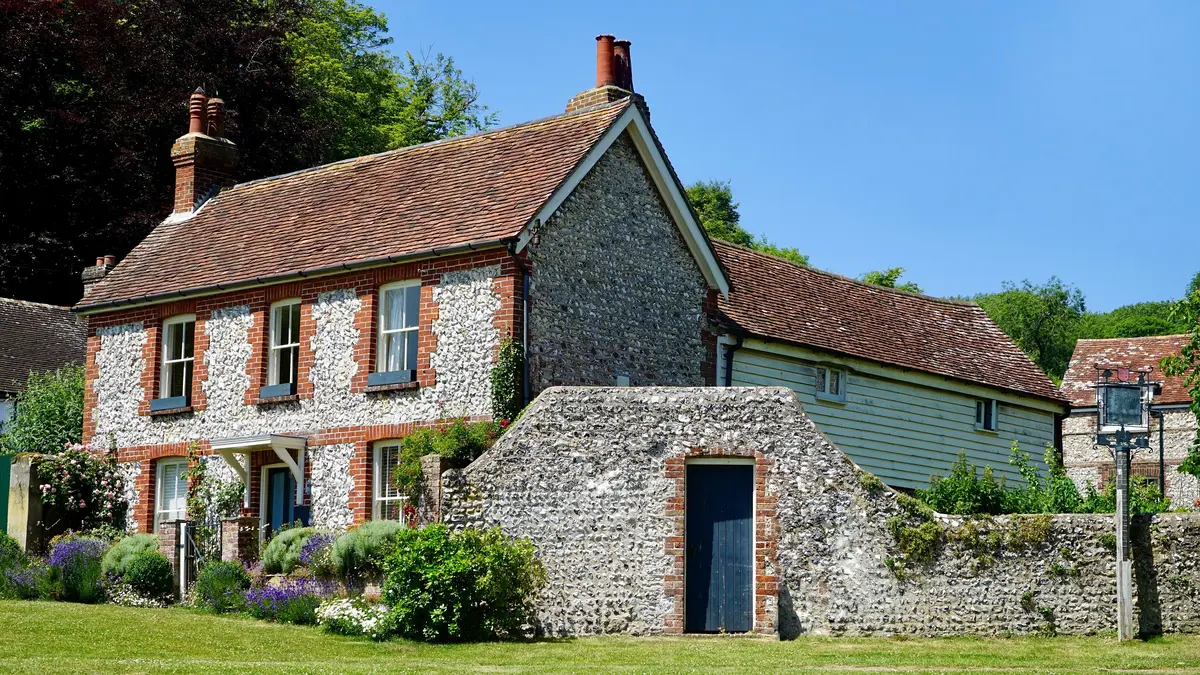
If you own or are planning to develop a listed building, you may need Listed Building Consent before carrying out alterations, extensions, demolition or other works.
Listed buildings are protected because of their special architectural or historic interest. The protection can extend beyond the external appearance of a property and may include internal features, fixtures, later additions and certain structures within its curtilage.
If you are considering extending, converting, renovating or altering a listed property, understanding the consent requirements before starting work can help you avoid delays, enforcement action and potentially significant costs.
What Is Listed Building Consent?
Listed Building Consent is a form of heritage consent required for works that would affect the character of a listed building as a building of special architectural or historic interest.
The requirement applies to alterations and extensions that affect the building’s special character and to the demolition of any part of a listed building. It applies whether or not the proposed works would otherwise require planning permission.
Listed Building Consent is separate from planning permission.
This means a development may require:
- Listed Building Consent only
- Planning permission only
- Both planning permission and Listed Building Consent
- Other approvals, such as Building Regulations approval
Determining which permissions are required should therefore be one of the first steps before commencing works.
When Is Listed Building Consent Required?
Altering a Listed Building
Listed Building Consent may be required for works that alter the historic or architectural character of the building.
Examples can include:
- Removing or altering historic features
- Changing windows or doors
- Removing internal walls
- Altering staircases
- Changing fireplaces
- Installing new services
- Altering roofs
- Changing external materials
- Making structural alterations
- Reconfiguring internal spaces
The fact that a proposed alteration is internal does not automatically mean that consent is unnecessary. Listing generally covers the whole building, including the interior, unless specific parts have been excluded from the listing description.
Extending a Listed Building
An extension to a listed building will often require careful assessment and may require both planning permission and Listed Building Consent.
The local planning authority will consider how the proposed extension relates to the existing building and whether it affects its special architectural or historic interest.
The design, scale, materials, positioning and connection between the existing building and proposed extension can all be important.
Demolishing Part of a Listed Building
Listed Building Consent is required for works involving the demolition of any part of a listed building where the statutory requirements apply.
This can include removing historic structures, walls, features or other parts of the building.
Demolition or alteration should therefore never be undertaken on the assumption that a feature is insignificant simply because it is not visible from the public highway.
Works to Structures Within the Curtilage
Protection can extend beyond the principal building.
Depending on the circumstances, the listing may cover attached structures, fixtures, later extensions and certain buildings or structures within the property’s curtilage.
This can be particularly important where a development proposal involves garages, outbuildings, boundary structures or other historic features associated with a listed property.
Do You Need Planning Permission as Well as Listed Building Consent?
Listed Building Consent and Planning Permission
Listed Building Consent and planning permission are different forms of approval.
Planning permission generally controls development, including building works, certain demolition and changes of use. Listed Building Consent protects the special architectural or historic interest of the listed building.
A significant extension, conversion or redevelopment of a listed property may therefore require both applications.
For example, a proposal to extend a listed house could involve:
- Planning permission for the development
- Listed Building Consent for its effect on the listed building
- Building Regulations approval for construction requirements
The precise permissions will depend on the nature and scope of the proposed works.
Can Permitted Development Rights Apply?
Permitted development rights do not automatically remove the need to consider listed building controls.
The planning position and heritage position must be considered separately. Historic England advises that where more than one type of permission is required, applications may be made together so that the local planning authority can consider the implications as a whole.
What Does the Local Planning Authority Consider?
The Special Architectural and Historic Interest
The local planning authority must pay particular attention to preserving the listed building, its setting and the features that contribute to its special interest.
This means that a successful application should demonstrate an understanding of what makes the building significant.
The Impact of the Proposed Works
The authority will consider how the proposed works affect the building.
Depending on the project, this could involve assessing:
- Loss of historic fabric
- Alteration of original features
- Changes to the building’s appearance
- Structural intervention
- Internal alterations
- The impact of extensions
- Changes to the setting
- The use of traditional or modern materials
- Reversibility of proposed works
A proposal that responds carefully to the building’s significance is more likely to provide a strong basis for decision-making.
The Setting of the Listed Building
The surrounding environment may also be relevant.
For example, a new extension, outbuilding or development on adjoining land may affect the setting of a listed building even where the historic building itself is not physically altered.
What Information Is Required for a Listed Building Consent Application?
A strong application should provide enough information for the local planning authority to understand the existing building, its significance and the effect of the proposed works.
Heritage and Significance Information
The application should explain the significance of the heritage asset and identify the features that are important to its architectural or historic interest.
This allows the authority to assess the proposal against the characteristics that make the building special.
Drawings and Plans
Depending on the proposal, you may need detailed drawings showing:
- Existing floor plans
- Proposed floor plans
- Existing elevations
- Proposed elevations
- Sections
- Site plans
- Details of construction
- Materials
- Historic features affected by the works
The level of detail required will depend on the complexity and sensitivity of the project.
Design and Heritage Statement
A heritage-focused statement can help explain:
- The history and significance of the building
- The existing condition
- The proposed works
- Why the works are necessary
- How the proposal responds to the building’s significance
- How any harm will be avoided or minimised
Historic England’s guidance emphasises the importance of understanding the significance of a listed building from the beginning of the project and using that understanding to inform the application.
How Do You Apply for Listed Building Consent?
Step 1: Establish Whether Consent Is Required
Before instructing contractors or starting work, determine whether the proposed works require Listed Building Consent.
Where there is uncertainty, professional advice can help establish the correct route. A Certificate of Lawfulness of Proposed Works can also provide formal confirmation that proposed works do not require Listed Building Consent in appropriate circumstances.
Step 2: Assess the Building
The existing building should be examined to understand its architectural and historic significance.
This helps identify features that should be retained and potential areas where alterations may be more acceptable.
Step 3: Develop the Proposal
The design should respond to the building’s significance and the relevant planning and heritage policies.
Early consultation with the local planning authority can help identify concerns before the application is submitted.
Step 4: Prepare the Application
The necessary forms, drawings, heritage information and supporting documents should be prepared.
The application should clearly explain what is proposed and how the works affect the listed building.
Step 5: Submit and Await the Decision
The application is submitted to the relevant local planning authority, which normally determines Listed Building Consent applications.
Historic England may also be consulted on certain applications involving listed buildings, depending on the circumstances and grade of the building.
How Much Does Listed Building Consent Cost?
There is no application fee for Listed Building Consent itself.
However, obtaining consent can involve professional costs.
Depending on the project, you may need to budget for:
- Planning advice
- Heritage consultancy
- Architectural drawings
- Structural engineering
- Building surveys
- Specialist heritage reports
- Design and access information
- Other technical surveys
The overall cost will depend on the complexity of the property and proposed works.
For this reason, obtaining advice at an early stage can help identify what information is actually required before unnecessary professional costs are incurred.
What Happens If Listed Building Consent Is Refused?
If your application is refused, the reasons should be reviewed carefully before deciding on the next step.
Revise the Proposal
In some cases, the proposal can be amended to address the authority’s concerns.
This might involve:
- Retaining more historic fabric
- Reducing the scale of an extension
- Changing materials
- Altering the layout
- Improving the relationship between old and new construction
- Providing additional heritage information
Appeal the Decision
Where appropriate, an applicant may have a right to appeal a refusal.
However, it is often sensible to understand the authority’s reasons for refusal and assess whether amendments could produce a more acceptable proposal before deciding on the most appropriate route.
What Happens If You Carry Out Works Without Consent?
Unauthorised works to a listed building can have serious consequences.
Historic England states that carrying out unauthorised works to a listed building is a criminal offence and that individuals can be prosecuted. A planning authority can also require unauthorised work to be reversed.
Unauthorised works can also create difficulties when selling or remortgaging the property because the absence of the necessary consent may be identified during legal due diligence.
If work has already been carried out without consent, specialist advice should be obtained before attempting to regularise or alter the situation.
How Charrette Law Can Help With Listed Building Consent
At Charrette Law, we provide planning and property advice to owners, developers and investors dealing with complex planning and heritage matters.
If you are considering alterations, an extension, conversion or redevelopment involving a listed building, we can help you understand the planning position and develop an appropriate strategy before you commit to the works.
Our advice can include:
- Assessing whether Listed Building Consent may be required
- Reviewing the listing and planning history
- Identifying potential planning and heritage constraints
- Advising on planning permission and Listed Building Consent
- Reviewing proposed development strategies
- Advising on applications and supporting information
- Assisting with planning and heritage-related negotiations
- Reviewing reasons for refusal
- Advising on potential appeals or revised proposals
Early professional advice can help reduce the risk of designing a proposal that is unlikely to receive consent.
Get Advice Before Altering a Listed Building
If you are planning to extend, convert, renovate, alter or develop a listed building, do not assume that ordinary planning permission or permitted development rights are sufficient.
Listed Building Consent may be required before work begins, and unauthorised works can result in criminal liability and enforcement action.
Charrette Law can help you assess your proposed works, identify the permissions required and develop a planning strategy suited to the property.
Contact Charrette Law for professional advice on Listed Building Consent and planning matters affecting listed properties.
Conclusion
Listed Building Consent is an important consideration for anyone planning works to a protected historic property.
The key issue is not simply whether the proposed work changes the building’s appearance. The question is whether the works affect its special architectural or historic interest.
Obtaining professional advice before preparing designs or starting work can help you understand what is protected, identify the permissions required and improve the prospects of a successful application.
For owners and developers planning significant works, early planning and heritage advice can help protect both the property and the investment.
Frequently Asked Questions
What is Listed Building Consent?
Listed Building Consent is the legal consent required for certain works that affect the special architectural or historic interest of a listed building.
Do I need Listed Building Consent for an extension?
An extension to a listed building may require Listed Building Consent, particularly where it affects the character or special interest of the building. Planning permission may also be required.
Do internal alterations require Listed Building Consent?
They can. Listing generally covers the whole building, including its interior, and internal alterations may require consent where they affect its special interest.
Is Listed Building Consent the same as planning permission?
No. They are separate forms of consent. A project affecting a listed building may require both planning permission and Listed Building Consent.
How much does Listed Building Consent cost?
There is no application fee for Listed Building Consent, although professional fees for drawings, heritage advice, surveys and planning assistance may apply.
Can I carry out work on a listed building without consent?
You should not carry out works that require Listed Building Consent without obtaining it first. Unauthorised works can be a criminal offence and may result in enforcement action requiring the works to be reversed.
Can I sell a listed building if work was carried out without consent?
You may be able to sell the property, but unauthorised works can create significant legal and conveyancing difficulties. Buyers and their solicitors may require evidence that the necessary consents were obtained.
Can Listed Building Consent be refused?
Yes. An application can be refused where the proposed works are considered unacceptable in relation to the special architectural or historic interest of the building or its setting. A revised proposal or appeal may be possible depending on the circumstances.