
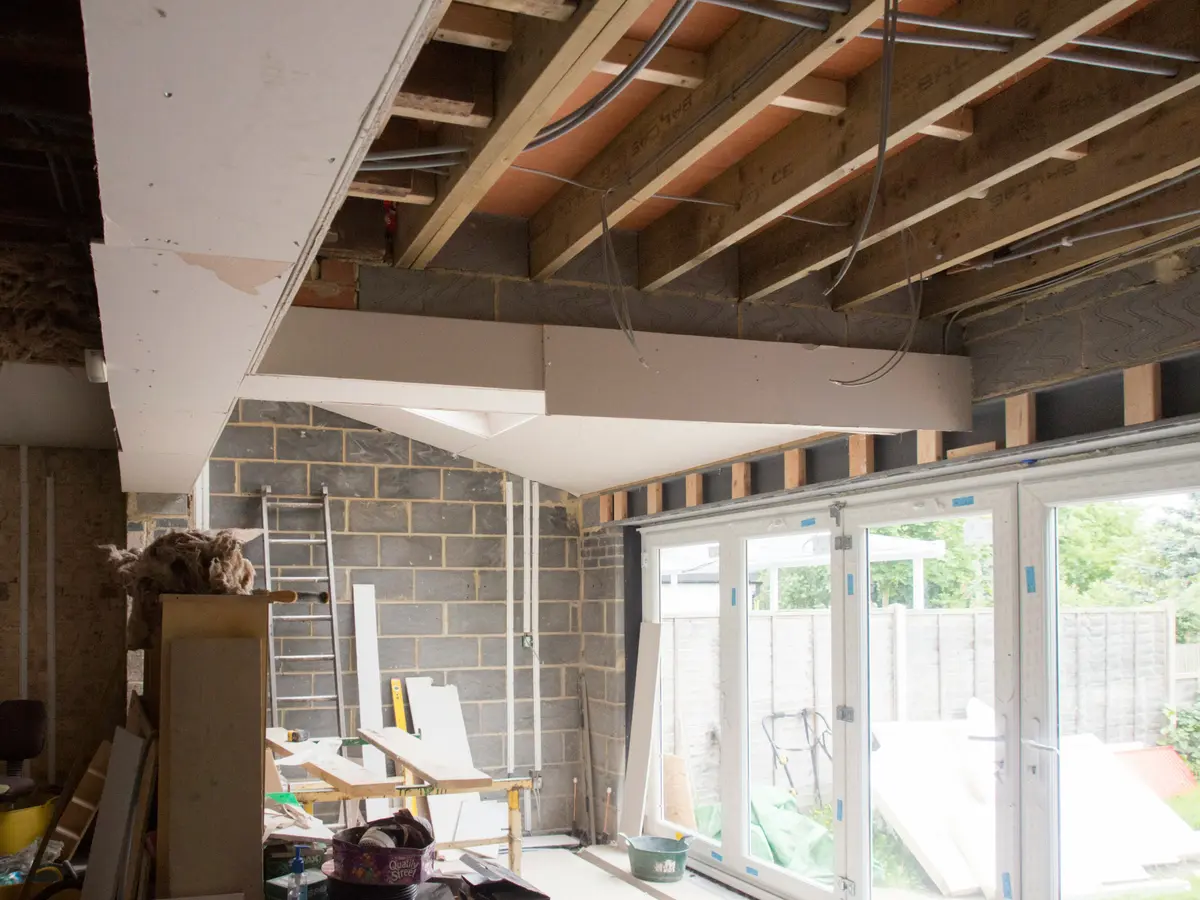
House Extension Planning Objections Sheffield
Planning a house extension in Sheffield can be both an exciting and stressful time for homeowners. With property values rising and families seeking more space, extensions are increasingly common across the city. However, before your plans can materialise, there are official channels and considerations that must be observed—chief among these is the planning permissions process. A significant aspect of this process is dealing with planning objections, which can often become points of contention between applicants, neighbours, and Sheffield City Council. In this article, we provide an in-depth overview of the most common house extension planning objections in Sheffield, how to address them, and how the local authority evaluates these cases. If you are contemplating a house extension or are concerned about a neighbour’s proposed extension, this guide will help you navigate potential problems more confidently.
Understanding the Planning Permission Process in Sheffield
The planning permission process in Sheffield involves submitting your extension plans to the local planning authority (Sheffield City Council). The council assesses the application based on national and local planning policies and consults with neighbours and relevant bodies. Public consultation is a vital part of this process, giving those affected an opportunity to raise any objections or comments.
Anyone can submit comments for or against a planning application. Typically, there is a 21-day window after the application appears on the council website or a public notice is erected. Comments and objections are taken into account before a decision is made. The council predominantly bases their decision on material planning considerations, rather than private disputes.
What are Material Planning Objections?
When considering house extension planning objections in Sheffield, it’s essential to understand material planning considerations. These are the issues the planning department legally has to take into account. Not every objection, even if valid for those objecting, will be deemed relevant under the planning framework. Common examples of these considerations include:
- Impact on the character and appearance of the area
- Loss of light or overshadowing of neighbouring properties
- Loss of privacy due to window or balcony placement
- Overdevelopment of the site
- Highway safety concerns, such as increased traffic or loss of parking
- Noise and disturbance
- Impact on trees and local wildlife
- Heritage issues in designated areas, such as conservation zones
By contrast, non-material considerations—such as loss of views, property values, personal circumstances, or purely private disputes—are not taken into account when the planning department makes its decision.
Typical Grounds for House Extension Planning Objections in Sheffield
Each neighbourhood in Sheffield has its unique character, and what may be acceptable in one area may not be suitable elsewhere. Nevertheless, there are recurring themes to the objections raised against house extensions in the city. These are elaborated below:
- Impact on Amenity: One of the most cited grounds is loss of light or privacy for neighbouring properties. This often arises where two-storey extensions or rear extensions are close to property boundaries, potentially overlooking gardens or causing shadows in adjacent homes.
- Design and Appearance: Sheffield is home to many architecturally distinct areas. Proposals that clash with local character, use unsympathetic materials, or result in a visually dominant extension often lead to objections.
- Traffic, Access, and Parking: In dense neighbourhoods, extensions that remove off-street parking or increase household occupancy can cause concerns about increased congestion.
- Environmental and Heritage Concerns: Extensions near Green Belt land, conservation areas, or listed buildings face heightened scrutiny. Proposals that may harm local heritage assets or protected wildlife are likely to be challenged.
Neighbour Objections: How They Work in Sheffield
Upon submission of your application for a house extension, neighbours are notified by Sheffield City Council. They then have the opportunity to view plans and submit objections or comments. Importantly, the council will weigh up all representations, but will only consider those based upon material planning grounds.
Typical neighbour objections may reference:
- Loss of sunlight, especially in gardens or main living spaces
- Overlooking or perceived loss of privacy
- Extension size or bulk appears overbearing
- Concerns over increased parking pressure
- Harm to the character of the street
While these objections are common, the planning officer’s report will only take them forward if substantiated by relevant local policies and planning guidance.
Planning Policy Framework in Sheffield
Decisions about house extensions are guided by both the National Planning Policy Framework (NPPF) and Sheffield’s local plan, which includes adopted planning policies and supplementary planning guidance. These set out the core principles for sustainable development, design quality, and protection for residential amenities.
Sheffield City Council’s local plan often includes specific guidance for rear, side, and roof extensions. For example, there may be prescriptive rules on extension depth, height, minimum distances between new windows and neighbouring properties, and requirements for materials to complement surrounding houses.
Where an application complies with these published standards, it is less likely that objections will be upheld. Conversely, applications that significantly depart from guidance may trigger a refusal if their impacts are unacceptable.
How Planning Officers Assess and Respond to Objections
Planning officers are duty-bound to impartially consider every objection received. They will visit the proposed site, review the concerns raised, and assess the impact in light of planning policies. Their written report will summarise all objections and set out whether, in the officer’s opinion, these are significant in planning terms.
If officers feel an objection is well-founded—such as unacceptable overlooking due to a new dormer window—they may recommend refusal or insist on changes. However, if the plans comply with policy or the impact is judged insignificant, the objection may be noted but not acted upon. This fuels perceptions that neighbour concerns are sometimes overlooked, but the system seeks to balance private impact with wider community needs.
The Role of Planning Committees
In Sheffield, especially contentious or complex extensions may be decided by a planning committee rather than by officers under delegated powers. At these meetings, objectors and applicants may speak for a timed period, usually two or three minutes each. The committee then debates and votes.
This public forum offers a further avenue for residents to air concerns and for applicants to state their case. However, the committee’s powers remain bound by planning law and local policy, not popular opinion alone.
Valid and Invalid Planning Objections
To prevent frustration, it helps to be clear about what counts as a valid planning objection. Some common points and whether they matter are summarised below:
- Loss of light to habitable rooms or major gardens – Valid, especially if supported by evidence such as shadow diagrams.
- Loss of a private view – Not a planning concern, as there is no legal right to a view.
- Effect on property value – Not a planning issue.
- Impact on conservation area character – Valid, if well-argued.
- Disruption during construction – Only relevant in extreme or long-term cases, and normally dealt with under environmental or highways legislation.
- Personal disputes or dislike of the applicant – Not considered.
Crafting objections around legitimate, evidence-backed concerns gives them far greater weight.
Navigating House Extension Planning Objections in Sheffield
House extension planning objections in Sheffield are a natural part of the planning process and should not necessarily be viewed as a barrier to development. By understanding the factors that commonly lead to objections, familiarising yourself with local and national planning policies, and engaging positively with neighbours and planning officers, you can significantly improve the likelihood of a successful outcome. Whether you are submitting an extension proposal or responding to one, focusing on material planning considerations and supporting your position with clear evidence is essential. With careful preparation, thoughtful design, and a proactive approach, homeowners can create valuable additional living space while respecting the character, amenity, and interests of the wider Sheffield community.