
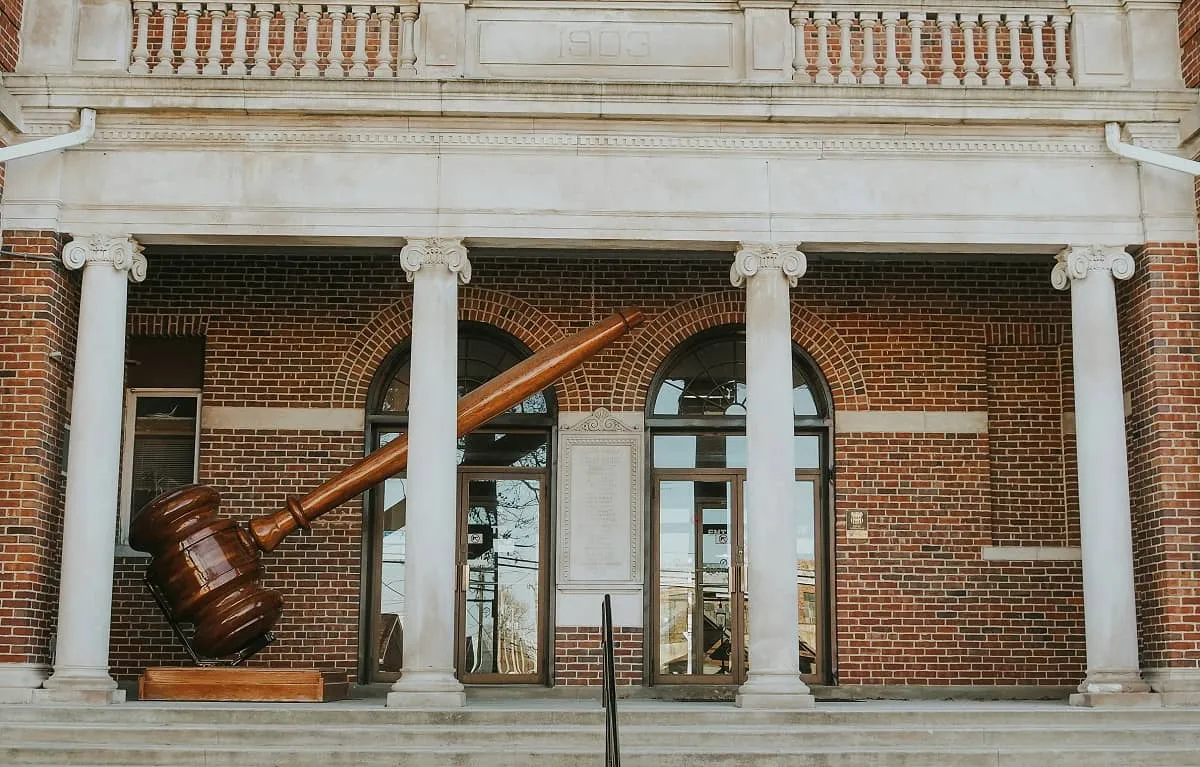
House Extension Planning Appeals Sheffield
For many Sheffield homeowners, extending a property is a practical way to increase space and add significant value. However, the journey from drawing board to construction can be fraught with obstacles, most commonly a refusal from the planning department. If your application for a house extension has been refused, all is not lost — the planning appeal process provides an opportunity to contest the decision. This detailed guide will walk you through everything you need to know about house extension planning appeals in Sheffield, helping you navigate the complexities and maximise your chances of success.
Understanding Planning Permission for Extensions in Sheffield
Before delving into appeals, it is important to have a firm understanding of the planning permission requirements for house extensions within Sheffield. Local Authorities, such as Sheffield City Council, are responsible for granting or refusing planning permission in accordance with national regulations (including the National Planning Policy Framework) and local development plans.
Generally, some home extension works fall under Permitted Development Rights, which means planning permission might not always be required. However, specific restrictions apply to properties in conservation areas, listed buildings, or those subject to planning conditions removing these rights. Always check with the Planning Department before starting any construction.
Common Reasons for Planning Refusals in Sheffield
Understanding why planning applications are refused can prepare you for the appeal process. In Sheffield, common reasons for the rejection of house extension applications include:
- Design and Appearance: The proposed extension may not complement the existing building or comply with local character requirements. Overly bulky or modern designs may be at odds with the neighbourhood.
- Impact on Neighbours: Extensions may be refused if they cause overshadowing, loss of privacy, or appear overbearing to adjacent properties.
- Drainage and Water Run-off: Concerns about increased surface water run-off and flooding risks are common, especially in certain areas of Sheffield prone to flooding.
- Access and Parking: Extensions that reduce off-street parking or hinder access for emergency vehicles can be problematic.
- Conservation and Heritage: Restrictions are tighter for properties in conservation areas or that are listed, often leading to refusals based on the impact on heritage character.
- Policy Contraventions: Proposals not compliant with Sheffield City Council’s Unitary Development Plan or Core Strategy policies are likely to be declined.
The Planning Appeal Process Explained
If your planning application for a Sheffield house extension is refused, you have the right to appeal. Appeals are lodged with the Planning Inspectorate, an independent government agency, rather than the local council. Understanding the structured process is essential for a strong case.
- Decision Notice Review: Upon refusal, carefully read the decision notice from Sheffield City Council. Councils must provide detailed reasons for refusal, highlighting specific concerns.
- Preparing Your Appeal: Begin by addressing each reason for refusal in your appeal statement. You may wish to include supporting documents, such as updated plans, daylight/sunlight studies, or photographs.
- Submitting the Appeal: Planning appeals must be submitted within the published deadlines. For householder applications (those relating solely to private residential extensions), appeals must be lodged within 12 weeks of the council’s decision date.
- The Inspectorate’s Role: The Planning Inspectorate reviews both the original plans and the reasons for refusal, along with any new evidence you submit. They may visit your property to understand the context firsthand.
- Final Decision: The Inspector will issue a written decision, either upholding the council’s refusal or granting permission for your extension.
Types of House Extension Planning Appeals
There are several routes your planning appeal could take, depending on the complexity of your case:
- Written Representations: The simplest and most common method, especially for householders. All evidence is considered in writing.
- Hearing: A round-table discussion led by an Inspector. Suitable for moderately complex cases.
- Public Inquiry: The most formal scenario, involving legal representatives, cross-examination and witnesses. Usually reserved for large or contentious projects.
Most house extension appeals in Sheffield are resolved using written representations, ensuring the process remains straightforward for homeowners.
How to Strengthen Your Planning Appeal
The outcome of your appeal will largely depend on your ability to address the reasons for refusal and demonstrate your extension’s compliance with both local and national planning policies. Here are several ways to ensure your case is as strong as possible:
- Professional Drawings & Documentation: Ensure you submit detailed, scaled plans and elevations, along with any necessary specialist studies (for example, sunlight analysis or impact assessments).
- Policy References: Reference key policies from the Sheffield Local Plan as well as relevant national guidance. Explain how your proposal aligns with the objectives of both.
- Neighbour Support: Letters of support from neighbours can help show community backing, particularly if concerns related to local impact have been cited.
- Precedents: Highlighting similar house extensions nearby that have been approved can help demonstrate that your proposal is in keeping with the area.
- Mitigation Strategies: If issues such as overlooking or overbearing impact have been identified, consider how you can amend your design to alleviate these concerns.
Sheffield’s Unique Planning Considerations
Sheffield is a diverse city, ranging from historic conservation zones to modernised housing estates. When preparing your appeal, be aware of the unique factors that might impact your case:
- Conservation Areas: Extra scrutiny applies to homes in areas like Broomhill, Nether Edge, and Ranmoor. Materials, scale, and design details must harmonise with the setting.
- Flood Risk: Large parts of Sheffield are identified as flood zones. Any land raised or extended must meet strict criteria for drainage and flood risk mitigation.
- Topography: Sheffield’s hilly geography means considerations such as views, overshadowing, and landscape impacts are especially important.
- Student Accommodation: In student-heavy areas, appeals may be refused if extensions are likely to result in ‘over-intensification’ of shared housing.
- Green Belt Land: Any property on or near protected Green Belt land faces tougher tests regarding impact on openness and character.
Contesting Planning Conditions: A Special Kind of Appeal
Sometimes, permission is granted for your extension, but with stringent conditions that may be undesirable or unworkable. You have the right to appeal these as well. You must do so within 6 months of the decision, clearly setting out which conditions you dispute and why they are unreasonable or unnecessary.
Should You Submit a New Planning Application?
In some cases, revising the design and submitting a fresh application rather than appealing is a quicker alternative. Especially when the refusal reasons are minor (such as modest design tweaks), a revised scheme may stand a much better chance with the council, avoiding the delay of a full appeal.
Engaging in a pre-application discussion with the Planning Department is often beneficial at this stage. By addressing concerns raised in the original decision, you can significantly increase your likelihood of a successful resubmission.
What Happens After a Successful Appeal?
If the Inspector grants your appeal, planning permission is officially approved, but you must adhere to any new conditions imposed. Always read these thoroughly as breaches can lead to enforcement action.
You can then proceed with building regulations approval and other necessary consents before beginning your house extension project.
Timeframes for Planning Appeals in Sheffield
Planning appeals can take several months. The Planning Inspectorate’s website provides target times, but actual resolution can depend on the caseload and complexity of your matter. For straightforward householder appeals using written representations, you might typically expect a decision within 8-12 weeks.
For larger or more complex projects, or those requiring a hearing or inquiry, expect the process to take considerably longer.
Successfully Navigating a House Extension Planning Appeal in Sheffield
Receiving a refusal for a house extension can be frustrating, but it does not have to bring your project to an end. The House Extension Planning Appeal Sheffield process offers homeowners a valuable opportunity to challenge planning decisions and demonstrate that their proposal complies with local and national planning policies. By carefully reviewing the reasons for refusal, gathering strong supporting evidence, and addressing the Council’s concerns in a clear and structured manner, applicants can significantly improve their chances of securing a positive outcome.
Whether the issues relate to design, neighbour amenity, parking, heritage considerations, or environmental impacts, a successful appeal depends on presenting a well-reasoned case supported by professional plans, policy references, and, where appropriate, specialist reports. In some situations, modifying the proposal and resubmitting a revised application may be the most practical route, while in others an appeal can effectively overturn an unjustified refusal.
As Sheffield continues to evolve and balance growth with the protection of its distinctive character, house extensions remain an important way for homeowners to adapt their properties to changing needs. With careful preparation, a thorough understanding of the planning framework, and a proactive approach to resolving concerns, applicants can navigate the appeals process with confidence and move one step closer to creating the additional living space they require.