
Change of Use Planning Objections Bristol
Change of use applications have become increasingly common in Bristol, reflecting the city’s ongoing development and the diversification of its vibrant neighbourhoods. Whether it’s converting a former shop into a restaurant, turning offices into flats, or repurposing warehouses, such changes can significantly impact local communities. As a result, residents, local businesses, and community groups frequently find themselves navigating the complexities of change-of-use planning objections in Bristol. This comprehensive article will guide you through every aspect—legal, practical, and strategic—of objecting to change of use applications in Bristol.
What Is a Change of Use Application?
Before exploring objections, it is essential to understand what constitutes a change of use application. Under the Town and Country Planning (Use Classes) Order 1987 (as amended), land and buildings are categorised into various ‘use classes’ such as retail, commercial, or residential. In Bristol, property owners wishing to alter the designated use of a building or land typically need to submit a change of use application to Bristol City Council. Some changes are permitted without full planning permission, while others require formal approval.
Examples of common change of use proposals in Bristol include:
- Converting offices to residential apartments
- Turning shops into cafes or restaurants
- Repurposing industrial units for leisure purposes
- Changing residential homes into Houses in Multiple Occupation (HMO)
Why Do Objections Matter?
Change of use planning objections in Bristol are a vital part of the democratic planning process. When residents or local groups believe that a proposed change could negatively impact their community, environment, or well-being, they have the right to object. Strong, well-founded objections can influence how Bristol City Council makes its decisions, sometimes leading to refusals or modifications of proposals.
Who Can Object?
Any individual, group, or business can submit a change of use planning objection in Bristol. Typically, those most inclined to object are local residents, neighbouring property owners, community associations, and businesses who foresee a direct impact from the proposed development. However, anyone with a view can make representations during the public consultation period.
Grounds for Change of Use Planning Objections Bristol
Planning objections must be based on “material planning considerations”. These include:
- Impact on Local Character: Will the proposal alter the character of the area, e.g., increase commercial activity in a residential neighbourhood?
- Parking and Traffic: Could traffic congestion or parking scarcity be exacerbated?
- Noise and Disturbance: Will the proposed change generate excessive noise or anti-social behaviour?
- Loss of Community Facilities: Does the change mean losing a valued local amenity?
- Impact on Heritage Assets: Is the building listed or in a conservation area, and could the change harm its heritage value?
- Overdevelopment: Would the proposal place undue strain on services and infrastructure?
- Environmental Concerns: Is there a risk of harm to the environment or biodiversity?
- Planning Policy Contravention: Does the proposal conflict with Bristol’s Local Plan or national planning policies?
Note: Objections based on non-planning issues, such as loss of view or impact on property value, are not considered by the council.
Bristol’s Local Context: Common Scenarios for Change of Use Planning Objections
In Bristol, change of use planning objections arise in a variety of contexts, reflecting the city’s unique character and pressures, such as:
- Conversion of Family Houses into HMOs: Notably in areas popular with students, such as Redland and Bishopston, where increasing numbers of shared houses lead to concerns about balanced communities and anti-social behaviour.
- Changing Shops to Cafes or Bars: Particularly in bustling neighbourhoods like Clifton or Bedminster, where concerns involve noise, late-night activity, and the loss of essential local shops.
- Offices Converted into Flats: Focused on Central Bristol, where worries include the quality of accommodation and the effect on local employment opportunities.
- Industrial to Leisure or Residential: Across the harbourside and industrial estates, raising questions over job losses and increased residential density.
The Change of Use Application Process in Bristol
Understanding the planning process is vital when making an effective objection. The typical procedure in Bristol includes:
- Submission: The applicant submits their proposal to Bristol City Council, including detailed plans and supporting documents.
- Validation: The council checks the documents and assigns a reference number.
- Public Consultation: Nearby residents, businesses, and any interested party are invited to comment (usually within 21 days of notification or site notice).
- Assessment: Planning officers consider all representations and assess the application in line with material planning considerations and local policy.
- Decision: The council grants or refuses permission, sometimes referring more contentious proposals to the planning committee.
- Appeal: If refused, the applicant can appeal to the Planning Inspectorate. Objectors may submit further comments.
How to Submit a Change of Use Planning Objection in Bristol
To submit your objection:
- Find the application on the Bristol City Council’s Planning Portal.
- Read the plans and relevant documents thoroughly.
- Draft your objection, focusing strictly on material planning grounds (see above).
- Quote the specific application reference number in all correspondence.
- Submit your objection before the stated deadline, either via the portal, by email or by post.
It is advisable to be concise and factual, avoiding emotive or irrelevant arguments. Reference local and national policies where possible, and suggest improvements or alternatives if appropriate.
Key Tips for Writing an Effective Objection
- Begin with a clear statement of your relationship to the site and your interest in the outcome (e.g., “I reside at [address], adjacent to the proposed development”).
- Summarise your objection in the opening paragraph for clarity.
- Provide clear, evidence-based points for each aspect of your objection (e.g., statistics for parking congestion, or photographic evidence of local character).
- Refer to specific policies within the Bristol Local Plan, Core Strategy, or national guidance (e.g., National Planning Policy Framework).
- Avoid repetition and keep your submission within two pages if possible.
- If objecting as a group or association, a collective letter signed by multiple residents carries weight.
- If you have professional expertise (e.g., environmental or architectural), reference this to support your concerns.
Common Mistakes to Avoid
Many objections are dismissed or disregarded because they do not meet the required criteria. Key pitfalls include:
- Focusing on private matters (e.g., property value or loss of a private view).
- Making unsubstantiated claims without evidence.
- Using inflammatory or hostile language that detracts from your argument.
- Missing the deadline for comments—late objections may not be considered.
- Failing to refer to planning policies or material considerations.
Engaging Local Councillors and Community Groups
Engaging with your local councillor and community groups can strengthen your objection. Councillors often sit on the Planning Committee and can raise issues on your behalf, while local neighbourhood groups can campaign or coordinate collective responses. Attend local meetings, share information, and encourage others to submit their own observations.
Attending Planning Committee Hearings
If your objection raises substantial planning concerns, the application may be heard by Bristol’s Planning Committee. Objectors are often permitted a short window (typically 3 minutes) to present their case in person. Prepare your statement in advance, focusing on the strongest, most relevant points, and be ready to answer questions from committee members.
Successfully Managing House Extension Planning Objections in Bristol
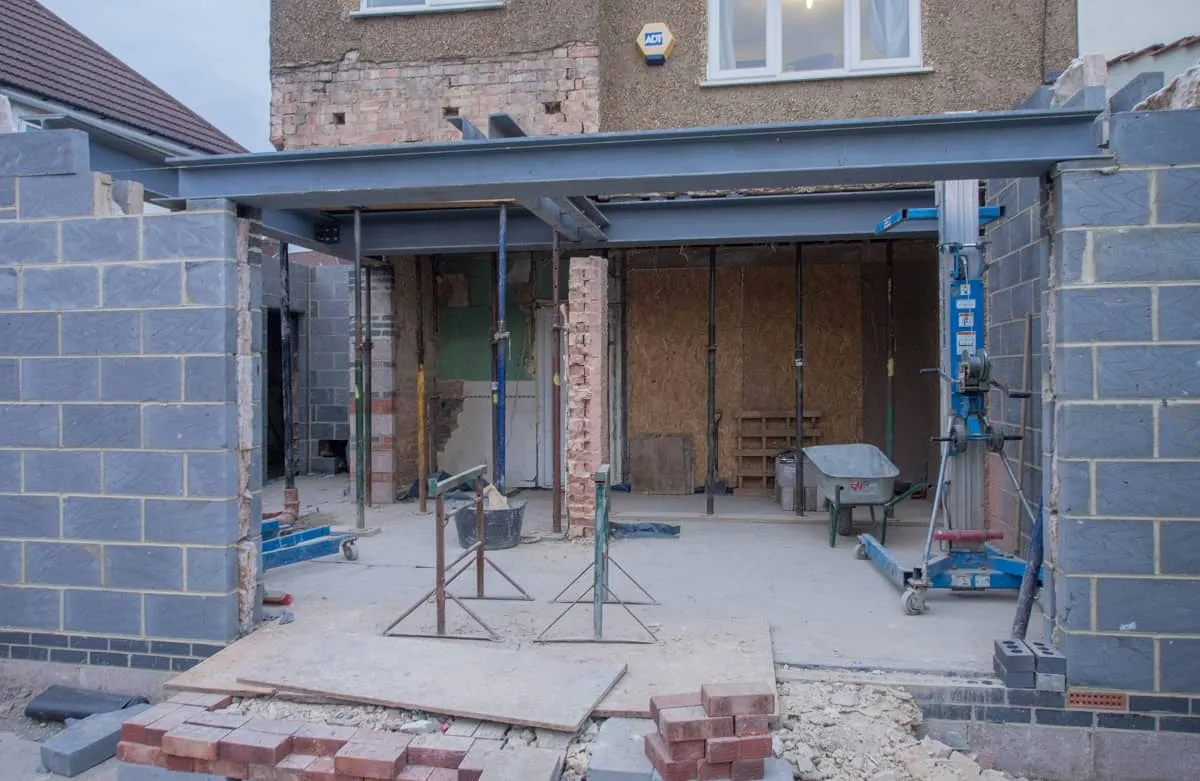
House extensions can be an excellent way to enhance your Bristol home, providing valuable additional living space while increasing property value. However, planning objections are a common part of the process and should not be viewed as an insurmountable obstacle. By understanding the most frequent concerns—such as overlooking, loss of light, design impact, parking pressures, and heritage considerations—you can proactively address potential issues before they arise.
Successful applications are typically those that demonstrate thoughtful design, respect for neighbouring properties, and compliance with Bristol City Council’s planning policies. Early engagement with neighbours, professional architectural advice, and the inclusion of appropriate technical reports can significantly reduce the likelihood of objections and improve the prospects of approval.
If objections are raised, responding constructively, considering reasonable amendments, and maintaining open communication with planning officers can often help resolve concerns without jeopardising the project. Ultimately, careful preparation and a collaborative approach are the keys to navigating House Extension Planning Objections in Bristol and achieving a successful outcome for your home improvement plans.