
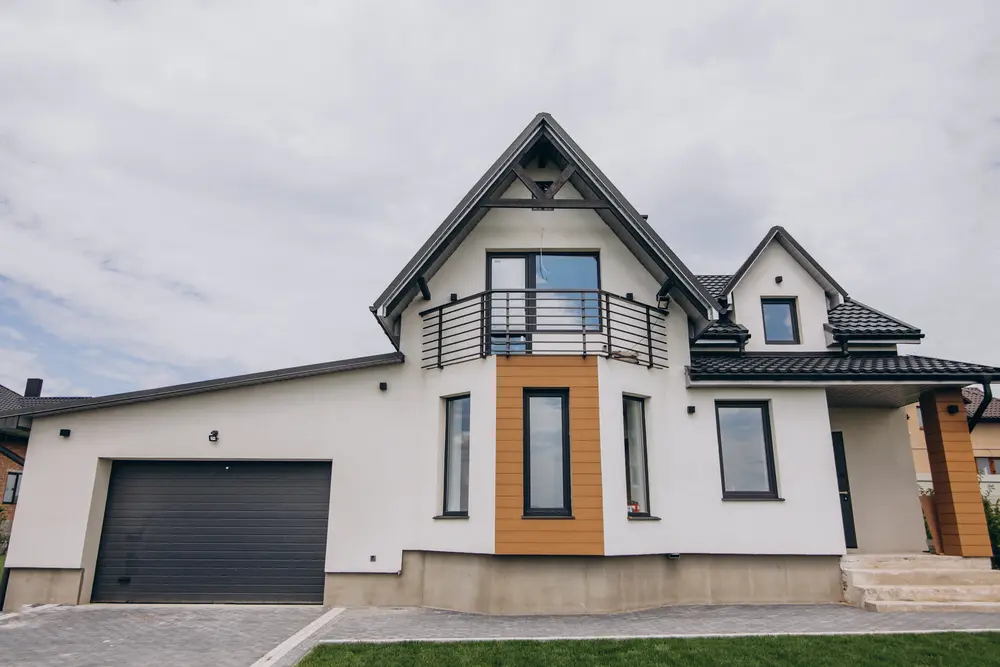
House Extension Planning Permission Leicester
Seeking a house extension in Leicester is an exciting venture, providing the potential for extra space and a boost to your property’s value. However, before picking up that sledgehammer or talking to architects, getting to grips with planning permission is crucial. Understanding the ins and outs of House Extension Planning Permission Leicester can save you considerable time, financial resources, and avoid compliance headaches. This in-depth guide details every aspect you need to be aware of, ensuring your extension dream moves forward smoothly, legally, and within council guidelines.
Why is Planning Permission Important for House Extensions in Leicester?
Planning permission protects communities from haphazard developments, ensuring new extensions are in harmony with local character, impact on neighbours, and infrastructure requirements. Leicester City Council oversees all planning matters within its jurisdiction, aiming to balance homeowners’ needs with citywide interests.
Ignoring the rules can result in enforcement action requiring costly modifications or, in worst cases, removal of non-compliant extensions. Securing house extension planning permission in Leicester not only ensures compliance with legal requirements but also protects the future resale value of your home.
What is House Extension Planning Permission?
Planning permission is a formal consent granted by Leicester City Council allowing significant changes to a property, particularly where those alterations might affect neighbouring properties or the wider community. Typical triggers for planning permission include enlarging your home beyond certain predetermined limits, changing the use of a property, or carrying out work in protected areas such as conservation zones.
Not every project requires full planning permission. Some smaller or less intrusive house extensions fall within the permitted development rights. Nevertheless, clarity on your particular situation is always needed, as every property is unique and local planning rules can vary.
What is Permitted Development?
Permitted development rights allow homeowners to carry out certain building works and changes to their property without seeking planning permission, as long as strict conditions and limits are met. These rights apply to many houses in Leicester but may be restricted for flats, maisonettes, listed buildings, or properties in designated areas such as Conservation Areas.
For a house extension in Leicester, permitted development typically covers:
- Single-storey rear extensions that do not extend beyond the rear wall by more than 3 metres for a terraced/semi-detached house, or 4 metres for a detached house
- No more than half the garden area is covered by extensions or outbuildings
- Extensions not higher than the highest part of the existing roof
- Materials similar in appearance to the existing house
However, always check whether your property retains its permitted development rights, especially if it is within a conservation area or is a listed building. When in doubt, contacting Leicester City Council’s planning department or engaging a qualified planning consultant is wise.
Types of House Extensions Requiring Planning Permission
While permitted development is beneficial, not all proposals qualify. Extensions outside these criteria typically require full planning permission from Leicester City Council. Common house extension scenarios demanding planning consent include:
- Double-storey extensions
- Extensions closer than 7 metres to the rear boundary
- Alterations extending beyond permitted limits (more than 3 or 4 metres from the rear wall)
- Extensions covering more than half the land around the house
- Side extensions for properties in certain areas
- Extensions in the front of the house facing a highway
- Properties with previous extensions exceeding permitted development limits
- Properties located in Conservation Areas or designated zones
When planning a bespoke extension, it is always prudent to consult the council’s planning department or visit the Leicester City Council website for the most current guidance and application forms.
The Planning Permission Process in Leicester
Once you have established that your proposed house extension requires planning permission in Leicester, the process typically involves the following steps:
- Initial Consultation: Engaging with architects or planning experts to design your extension ideas and check against current planning regulations.
- Preparing Drawings: Detailed architectural plans, site location maps, and elevations must be prepared, often to a specific scale.
- Submitting the Application: Apply online through the Planning Portal or directly with Leicester City Council, providing the necessary supporting documents and a planning application fee.
- Neighbour Consultation: The council notifies your neighbours and relevant stakeholders, offering the opportunity to comment on your proposal.
- Assessment: Leicester City Council examines your application, considering local policies, environmental impact, and neighbour representations.
- Decision: The council aims to issue decisions within 8 weeks for householder applications unless an extension of time is agreed.
- Approval or Refusal: If approved, you can proceed with the extension according to the permission. If refused, reasons will be provided along with the right to appeal.
Design Considerations for Planning Permission Success
Leicester City Council’s planners give significant weight to how an extension fits with the existing house and neighbourhood. The more considerate your design, the better the chance of a smooth approval process. Key aspects they review include:
- Scale and Massing: Large or visually intrusive extensions are more likely to be refused, especially if they overshadow neighbouring properties or affect light and privacy.
- Materials and Appearance: Use materials and architectural features that complement the existing structure and surrounding houses.
- Impact on Neighbours: Overlooking windows, loss of privacy, and loss of light are common objections. Ensure your design minimises these.
- Parking and Access: If your extension impacts the number of available off-road parking spaces, planners will consider local parking standards.
- Sustainability: Leicester’s Local Plan encourages sustainable construction, so consider how your extension could be energy-efficient and eco-friendly.
Special Considerations: Conservation Areas and Listed Buildings
If your property sits within one of Leicester’s many conservation areas – such as Stoneygate, Evington Village, or Knighton Village – extra scrutiny applies. The council is particularly protective of architectural heritage, so even minor extensions may require planning permission and must maintain or enhance the area’s special character and appearance.
For listed buildings, any extension will also typically require listed building consent in addition to planning permission. Consent aims to preserve the historic fabric and distinctive character of older properties.
The Role of Neighbours in House Extension Planning Applications
Your neighbours will be formally notified when you submit a planning application. The council considers comments made by neighbours, especially those related to loss of privacy, daylight, or the impact on the character of the area. It’s good etiquette and practical to discuss your extension plans with your immediate neighbours beforehand. This approach can sometimes resolve issues in advance and lead to a smoother application process.
Common Reasons for House Extension Planning Permission Refusal
Not all house extension planning permission applications in Leicester are approved. Common reasons for refusal include:
- Oversized designs overwhelming the original house or street scene
- Extensions too close to boundaries or visually imposing on neighbours
- Loss of sunlight or overshadowing by nearby properties
- Loss of privacy due to poorly positioned windows
- Inappropriate materials or design out of character with the area
- Negative effects on local traffic, parking or access
- Non-compliance with Leicester’s Local Plan and other council planning policies
Once refused, reviewing the reasons and amending your plans accordingly is crucial before resubmitting or launching an appeal.
Appealing a Refused Planning Application
If your application is turned down, you have the right to appeal to the Planning Inspectorate. This process reviews the council’s decision and considers both sides. While appeals can be time-consuming, they sometimes succeed, especially for refusals based on subjective factors.
Alternatively, most applicants achieve better outcomes by reworking their proposals to address objections. It’s also possible to submit a resubmitted application free of charge within twelve months of the original refusal for the same proposal.
Certificate of Lawfulness for Permitted Development Extensions
If your proposed house extension falls within permitted development rights, it’s often wise to apply for a Lawful Development Certificate (LDC). While not compulsory, an LDC provides peace of mind for you and any future buyers, documenting that your extension complies with planning regulations at the time of construction.
The application requires submitting detailed drawings and site plans to the council, which will officially confirm whether your extension is permitted under current planning legislation.
Navigating House Extension Planning Permission in Leicester
In conclusion, obtaining house extension planning permission in Leicester is a crucial step in ensuring your project is legally compliant, well-designed, and aligned with local planning policies. While many smaller extensions may fall under permitted development rights, larger or more complex proposals often require formal approval from Leicester City Council. By understanding the planning process, considering design impacts, consulting with neighbours, and seeking professional guidance where necessary, homeowners can significantly improve their chances of a successful outcome. Careful preparation at the outset not only helps avoid costly delays and refusals but also ensures that your extension enhances both your property and the surrounding area. Whether you are creating additional living space for a growing family or adding value to your home, a well-planned extension can be a rewarding investment for years to come.