
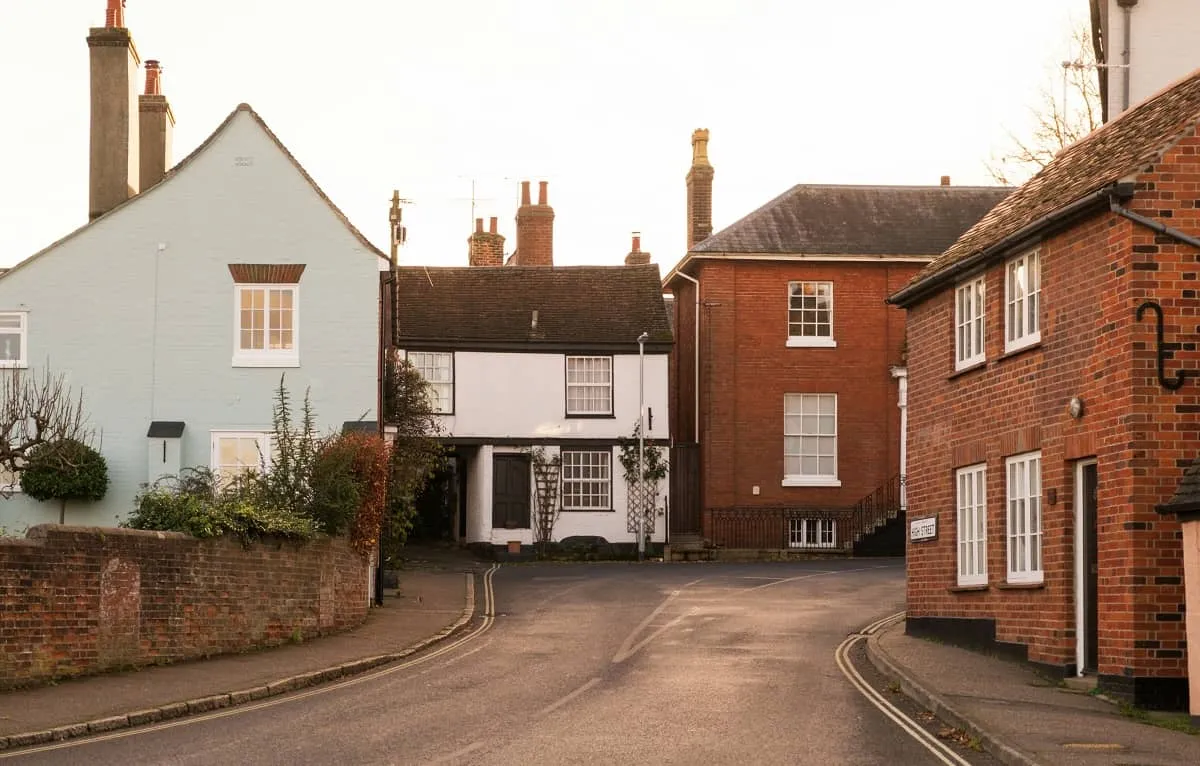
Introduction to UK Property Planning Permission
Understanding UK property planning permission is a vital step for anyone considering property development, extensions, or significant modifications in the United Kingdom. Whether you are a homeowner looking to extend your house, a property developer aiming to build new homes, or a landlord planning to convert properties into HMOs (Houses in Multiple Occupation), navigating the planning process is key to a compliant and successful project.
This comprehensive guide will delve into what planning permission in the UK is, when you need it, how to apply for it, what permissions and exemptions exist, and the common pitfalls to avoid. By the end, you’ll have a firm understanding of how to approach the planning permission process, making your property aspirations a reality without breaching regulations.
What is Planning Permission?
In the UK, planning permission is an official approval from your local council that is required before you can carry out certain types of building work and changes to the use of land or buildings. Its primary purpose is to ensure that new developments are in the public interest, safeguard the environment, and maintain appropriate standards for living and working spaces.
Planning permission typically affects:
- Building a new property or outbuilding
- Changing the use of land or buildings (e.g., from residential to commercial)
- Major renovations or extensions
- Subdividing properties
- Significant alterations to listed properties
However, not all work requires planning permission. Some minor changes can fall under what is called “permitted development rights.”
Why is Planning Permission Important?
The planning system is designed to manage environmental and social needs while balancing the demands for development and growth. If you undertake property construction or alteration without the appropriate planning permission, you may face:
- Enforcement action, including demolition of unauthorized structures
- Hefty fines and legal costs
- Difficulties in selling or remortgaging your property
- Significant delays and disruption to your project
Correctly securing UK property planning permission is crucial to avoid these consequences and protect your financial and legal interests.
When Do You Need Planning Permission?
Generally, planning permission is needed for:
- New buildings or significant structural changes (e.g., loft conversions with dormer windows)
- Large extensions
- Changing the use of a building (for example, converting a house into flats or commercial premises)
- Adding new dwellings (e.g., constructing annexes or garden houses)
However, exemptions exist for many smaller works under the “Permitted Development Rights” system.
Permitted Development Rights
In some cases, planning permission is not required due to permitted development rights. These are rules that allow certain works to be carried out without formal permission, including:
- Minor house extensions (within size limitations and not in conservation areas)
- Installing solar panels
- Loft conversions (within volume limitations)
- Internal alterations and some outbuildings
You must still comply with building regulations, and some rights may be restricted in conservation areas or for listed buildings.
Planning Permission for Extensions
Extending your property is one of the most common reasons homeowners consider UK property planning permission. The specific requirements depend on several factors, including:
- The proposed size and height of the extension
- Its location (front, side, or rear of the property)
- Your property’s designation (e.g., in a conservation area or if it is listed)
- How much of the original garden space is used
Extensions that go beyond permitted development limits, or those in protected areas, will need a full planning application.
Planning Permission for Outbuildings
Outbuildings such as sheds, garages, summerhouses, and home offices can often be built under permitted development. However, if the outbuilding exceeds certain height or footprint limits, will be used as a separate living accommodation, or your property is in a conservation area or is listed, UK property planning permission is usually required.
Planning Permission for Listed Buildings and Conservation Areas
If your property is a listed building or in a conservation area, additional control exists over what you can and cannot do. In these cases:
- Any alterations affecting a listed building’s character require Listed Building Consent, as well as planning permission
- Demolition, even of outbuildings and walls, often requires consent
- Conservation areas may have Article 4 Directions, withdrawing permitted development rights
Always consult your local planning authority before making modifications to heritage or protected buildings.
Planning Permission for Change of Use
Changing the use of a property such as from residential to commercial use, or from single-family use to a house of multiple occupation (HMO) often requires planning permission. Some changes fall within “Use Classes” which allow certain transitions without the need for full permission, but regulations are complex and often locality-specific.
The Planning Permission Application Process
The standard procedure for obtaining UK property planning permission involves several stages:
- Pre-application Advice: Engage with your local planning authority early to receive feedback on your proposal, identify potential issues, and clarify application requirements.
- Submit Formal Application: Complete forms online at the Planning Portal or through your local council, attaching drawings, plans, supporting documents, and paying the application fee.
- Validation: The council checks your application is complete and registers it.
- Consultation: The application is publicised. Neighbours, statutory consultees, and local groups can comment.
- Assessment: Planning officers assess your application against local and national planning policies.
- Decision: A decision is issued this may take 8 weeks for householders or up to 13 weeks for larger, more complex cases.
If successful, you’ll receive conditional or unconditional permission. Unsuccessful applications are accompanied by reasons for refusal and can be appealed.
Documents Required for Planning Applications
Typically, a planning application for UK property planning permission requires:
- Completed application forms
- Location plan (showing property and site boundaries)
- Existing and proposed site plans/elevations
- Design and access statement (for significant proposals)
- Supporting documentation (e.g., flood risk assessment, heritage statement, ecological surveys)
- Application fee
Ensure all documents are accurate and detailed to avoid delays.
How Long Does Planning Permission Last?
Planning permission is generally valid for three years in the UK. This means you must commence the approved works within this period. If you do not, you need to reapply. Extensions may be possible in certain circumstances, but are not automatic.
Building Regulations versus Planning Permission
UK property planning permission is separate from building regulations. While planning permission covers the principle and impact of development, building regulations govern technical aspects such as structural safety, energy efficiency, fire safety, and accessibility. Most developments require compliance with both.
In other words, even if you do not need planning permission for your project, you may still need building regulation approval. Failing to comply may result in enforcement actions, fines, and issues when selling your property.
Navigating UK Planning Permission with Confidence
Understanding UK property planning permission is essential for ensuring that any development, extension, or change of use is carried out lawfully and efficiently. From identifying whether your project requires permission to preparing a complete application and complying with local authority requirements, each stage plays a crucial role in avoiding delays, refusals, or enforcement action. A clear understanding of permitted development rights, planning constraints, and supporting documentation helps streamline the process and protects your investment.
Whether you are a homeowner planning an extension, a landlord considering a change of use, or a developer undertaking a larger project, careful planning and early engagement with the relevant authorities are key. Navigating planning policies, meeting application requirements, and addressing potential objections can be complex, but taking a proactive and informed approach significantly increases the likelihood of approval and a smooth project timeline.
Contact Charrette Law today for expert assistance with UK property planning permission. Our team can support you with planning applications, condition discharge, appeals, and professional advice tailored to your project, ensuring compliance and helping you achieve successful outcomes with confidence.