
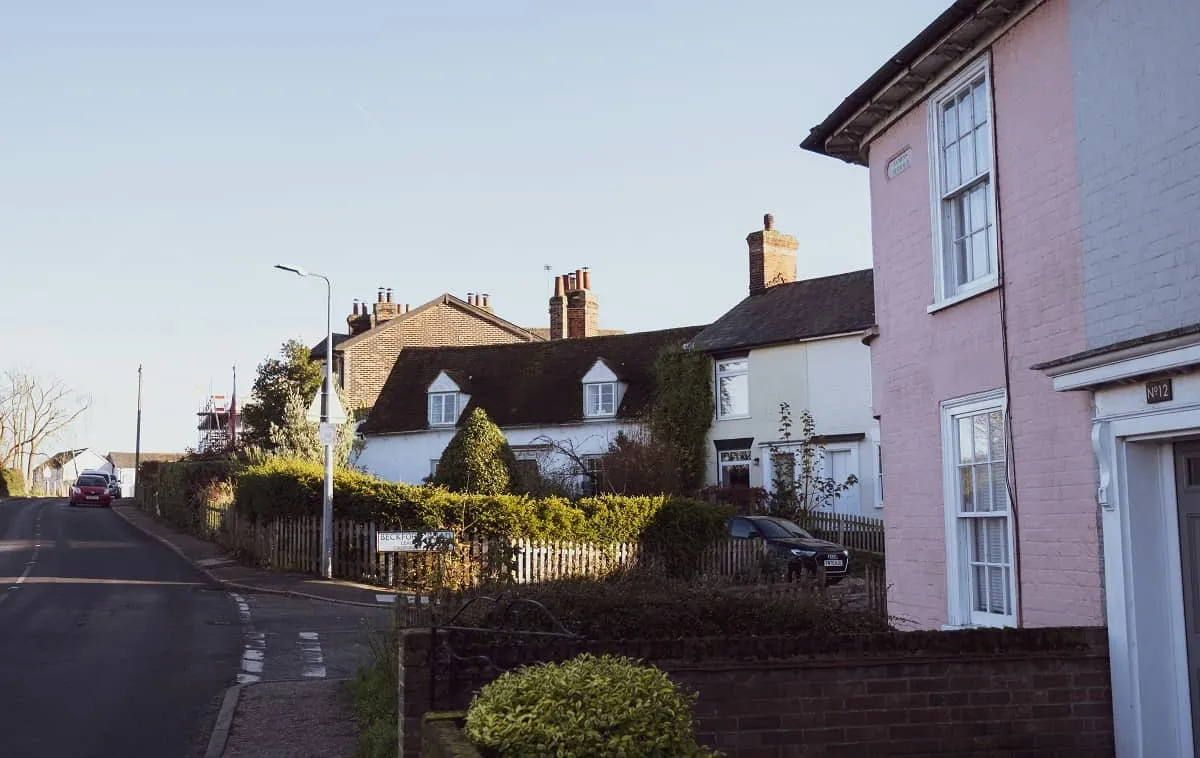
Planning Permission for House Extensions UK
Extending your home can transform your living space, add value to your property, and better accommodate your family’s needs. However, before beginning any work, one crucial aspect to address is the requirement for planning permission house extensions UK. This article provides comprehensive guidance on planning permission for house extensions in the UK, covering what planning permission is, the types of extensions that may require it, the application process, potential exemptions, and tips to ensure your house extension project runs smoothly and legally.
What is Planning Permission?
Planning permission is a formal consent from your local planning authority (LPA) to undertake certain types of building work, including house extensions. Its purpose is to ensure that developments are suitable for their surroundings and comply with national and local policies on land use, design, and environmental impact. In the UK, the planning system protects local communities against unsuitable developments and regulates the growth and change of built environments.
Types of House Extensions
House extensions vary in size and complexity, and each type may have unique planning considerations. The most common house extension types include:
- Single-storey extensions: Additions that extend outwards from the rear or side of your property, usually at ground level.
- Double-storey extensions: Extensions that have two floors, potentially doubling the size of the expansion and offering significant extra space.
- Loft conversions: Transforming the attic space into a usable room, which may include installing dormer windows.
- Garage conversions: Turning a garage into an additional living area.
- Conservatories and orangeries: Glass structures attached to the house, typically used as extra living or dining areas.
- Porches and verandas: Covered areas added to the front or side of a house.
Each of these has different rules and implications regarding planning permission, which will be explored in the following sections.
When is Planning Permission Required?
Generally, planning permission house extensions UK is required if the extension does not meet the criteria for permitted development (explained below), affects the external appearance of the property significantly, or could have an impact on neighbours or the local environment. The following are key scenarios when planning permission is likely required:
- Exceeding Permitted Development Limits: Extensions that increase the overall volume or footprint of the house beyond permitted development rights.
- Situated in Protected Areas: Properties in conservation areas, national parks, Areas of Outstanding Natural Beauty, or World Heritage Sites require stricter controls and often need explicit permission.
- Listed Buildings: Any extension or modification to a listed building invariably needs both planning permission and listed building consent.
- Impact on Neighbours: Extensions that could overshadow, overlook, or otherwise materially affect neighbouring properties may require formal assessment and approval.
- Significant Design Changes: Projects that alter the principal elevation (such as the front of your property) will almost always require planning approval.
Understanding Permitted Development Rights
In many cases, householders benefit from “permitted development rights” (PD rights), which allow limited home improvements or extensions without planning permission. These rights are subject to strict conditions regarding size, height, materials, and location:
- Single-storey rear extensions must not extend beyond the original rear wall by more than 3m for an attached house or 4m for a detached house.
- The maximum height for a single-storey extension is 4m.
- Side extensions must be single-storey, have a maximum height of 4m, and a width no greater than half the width of the original house.
- Two-storey extensions cannot be closer than 7 metres to the rear boundary.
- Material choice must be similar in appearance to the existing house.
- No extension can be higher than the highest part of the existing roof.
- No verandas, balconies or raised platforms without planning consent.
It’s worth noting that permitted development rights can be removed or revised by previous planning permissions attached to your property, such as in new build estates or conservation zones.
How to Check if You Need Planning Permission
Before any work commences, it’s critical to check whether your proposed extension meets the criteria for permitted development or will need an application for planning permission house extensions UK. Steps to do this include:
- Consult the Planning Portal: The UK government’s Planning Portal offers an interactive house tool and guidance notes to help you check whether your extension requires permission.
- Contact Your Local Council: Your Local Planning Authority (LPA) is the definitive source for advice on individual projects, including properties in areas with special designations.
- Hire a Professional: Architects, chartered surveyors, and planning consultants can provide expert advice and even apply on your behalf.
- Check Past Permissions: Investigate whether any past restrictions or obligations (such as Section 106 agreements or Planning Conditions) alter your PD rights.
If in doubt, many homeowners opt for a Lawful Development Certificate (LDC) from their LPA. This legally confirms that your project does not require planning permission and is particularly useful if you consider selling the property in future.
The Planning Application Process
If your extension does require planning permission, the process generally involves several steps:
- Preparation: Prepare detailed plans and drawings of your proposed extension. Engaging an architect is highly beneficial for ensuring compliance with Building Regulations and planning policies.
- Submission: Submit your application, typically via the Planning Portal. You will need to provide supporting documents, plans, and a site plan. There is a fee for most applications.
- Consultation: The LPA will consult neighbours and statutory bodies where applicable.
- Assessment: A planning officer assesses the proposal against local planning policy, design guidance, and the input from consultees.
- Decision: A decision is usually reached within 8 weeks for typical householder applications. If permission is granted, you may proceed, subject to any conditions imposed. If refused, you can amend the design or appeal.
- Appeal: If you disagree with a refusal, you have the right to appeal to the Planning Inspectorate. Professional advice is recommended in these cases.
It is an offence to undertake work that requires planning permission without first securing approval. Enforcement action can require you to reverse or demolish unauthorised work, often at significant cost.
Special Considerations: Protected Areas and Listed Buildings
If your property lies within a Conservation Area, National Park, Area of Outstanding Natural Beauty (AONB), or has Listed Building status, permitted development rights may be significantly reduced or withdrawn entirely. In these cases:
- Larger extensions, loft conversions, and significant alterations usually require full planning permission.
- Extensions visible from a public highway are subject to stricter controls on design, materials, and size.
- For listed buildings, any change to the structure, including internal modifications that affect character, needs listed building consent in addition to planning permission.
- Use of traditional or like-for-like materials is generally required to preserve the heritage value of the property.
Early dialogue with the LPA and conservation officers is essential for projects involving protected or heritage buildings.
Planning Permission for House Extensions UK
Understanding planning permission for house extensions in the UK is a crucial step in ensuring your project is carried out smoothly, legally, and without unnecessary delays. From determining whether your extension falls under permitted development rights to navigating the formal planning application process, having a clear understanding of the rules helps protect your investment and avoid enforcement issues. Careful consideration of design, size, location, and potential impact on neighbours is essential for a successful outcome.
Whether you are planning a small rear extension, a loft conversion, or a more substantial two-storey addition, taking the time to assess your requirements and seek the right guidance can make a significant difference. Engaging with your local planning authority early, preparing accurate documentation, and ensuring compliance with both planning permission and building regulations will help streamline the process and reduce the risk of refusal or costly revisions.
Contact Charrette Law today for expert guidance on planning permission for house extensions in the UK. Our team can assist with applications, lawful development certificates, appeals, and professional advice tailored to your project, helping you move forward with confidence and full compliance.