
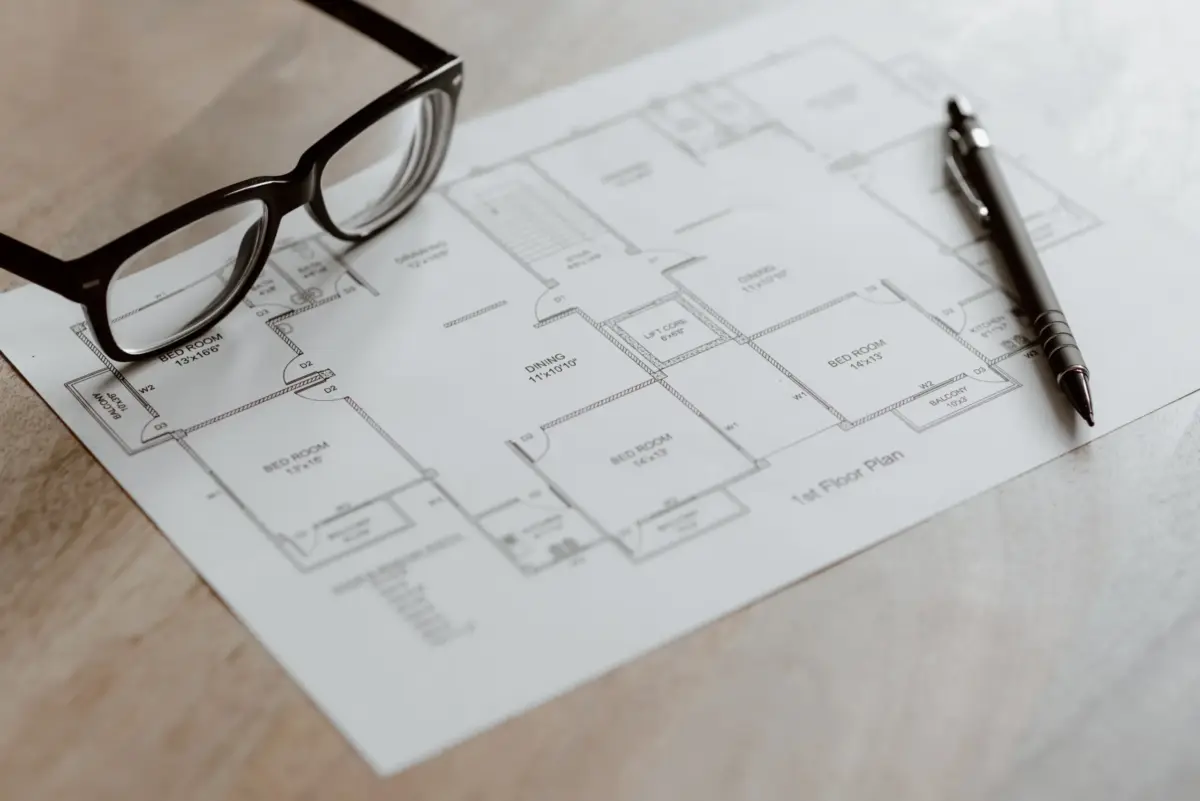
Obtaining planning permission is an important milestone, but it does not always mean a project will proceed exactly as originally designed. Construction costs may increase, technical issues may emerge, materials may become unavailable or the developer may identify a more practical way of delivering the approved scheme.
When these changes arise, going back to the beginning of the planning process may not always be necessary. A Section 73 planning application can provide a route for seeking permission to develop without complying with certain existing planning conditions, allowing a project to move forward under revised requirements where legally appropriate.
Understanding when this route is suitable, and when the proposed changes go beyond its scope, can help developers and property owners avoid unnecessary delays and make more informed decisions about their existing permission.
When an Approved Development No Longer Fits the Original Plan
Planning proposals are often prepared using the information, budget and design assumptions available at the time of submission. However, circumstances can change between receiving permission and starting construction, or while a project is underway.
For example, a developer may discover that:
- A specified construction material is no longer affordable or readily available.
- A condition restricting construction hours creates difficulties for the building programme.
- A landscaping requirement needs to be adjusted to reflect site conditions.
- A condition requiring certain details to be approved before work begins needs reconsideration.
- A drainage or access arrangement needs a different approach to satisfy practical site requirements.
The important question is whether the proposed adjustment concerns a planning condition attached to the existing permission or whether it would fundamentally alter the development that was approved.
Section 73 is concerned with the former. It allows an applicant to seek a new planning permission with different conditions, rather than simply changing the original decision notice.
How Section 73 Can Help Keep a Project Moving
Under Section 73 of the Town and Country Planning Act 1990, an applicant can seek planning permission to carry out development without complying with one or more conditions attached to an existing permission.
The local planning authority considers the conditions proposed for the new permission. It may grant permission with amended conditions, different conditions or without the relevant condition, depending on the circumstances and planning merits.
This can be useful when the development remains fundamentally the same but a condition needs to be changed to reflect revised circumstances.
For a developer, the advantage may be being able to adapt a project without having to abandon the existing permission and submit an entirely new application for the same development.
However, Section 73 is not an automatic approval mechanism. The local planning authority must assess the proposed changes and decide whether they are acceptable.
The video will be here
What Types of Changes Could Be Considered?
The suitability of Section 73 depends on the nature of the condition being changed and the effect of the proposal on the existing permission.
Changes may include seeking to amend or remove conditions relating to:
Construction and delivery requirements
A developer may need to reconsider a condition affecting how or when particular aspects of construction are undertaken. Where the condition is capable of being varied and the revised approach remains acceptable in planning terms, a Section 73 application may provide a route to seek approval.
Materials and design details
Where a condition controls materials, finishes or other details, the applicant may wish to substitute an alternative specification. The proposed replacement would still need to be assessed against the relevant design, visual amenity and planning considerations.
Landscaping and site management
Conditions relating to planting, landscaping, maintenance or site management may require adjustment because of changing site circumstances, technical advice or practical delivery issues.
Environmental and operational requirements
Some conditions address drainage, noise, access, environmental mitigation or the ongoing operation of a development. An applicant may seek to change a requirement where an alternative approach is proposed, but the authority would need to consider the relevant planning impacts before granting permission.
Not every condition can or should be changed. The fact that a requirement is inconvenient, expensive or difficult to satisfy does not mean the local planning authority will agree to remove it.
When Section 73 May Not Be the Right Route
A common mistake is assuming that Section 73 can be used to make any alteration to an approved scheme. Its scope is more limited.
It cannot be used to change the operative part or description of the development itself. If the proposal involves a substantial change to what was originally approved, such as a different type of development or a fundamental alteration to the scheme, a fresh planning application may be necessary.
The distinction can become complicated where a change to a condition would indirectly alter the development being authorised. This is why the wording of the original permission, its plans, the relevant conditions and the proposed revisions need to be considered together.
Depending on the nature of the change, other routes may be more appropriate, including:
- A non-material amendment application under Section 96A, where the change is genuinely non-material.
- A fresh planning application, where the proposal falls outside the scope of the existing permission.
- A separate application or agreement where the change concerns a planning obligation rather than a planning condition.
Choosing the correct route at the outset can help avoid an application that fails to address the legal nature of the proposed change.
Does a Section 73 Application Replace the Original Planning Permission?
A Section 73 approval creates a new, independent planning permission. It does not simply rewrite or erase the original permission.
The original permission remains in place, alongside the new permission, and the applicant may choose which permission to implement, subject to complying with the relevant conditions and legal requirements.
This can be particularly useful where the revised permission offers a more practical way to deliver a development but the applicant wishes to retain the original approval as an alternative.
Care is needed when comparing the permissions. Conditions should be reviewed in their entirety to understand which requirements apply to each permission, including any conditions that continue unchanged. Applicants should not assume that a condition amended under the new permission automatically changes the corresponding requirement under the original approval.
Why the Timing of a Section 73 Application Matters
The need to amend a planning condition may arise at different stages, but timing can influence the options available and the risks involved.
Making an application before the affected work takes place may allow the developer to obtain a decision before committing to a revised approach. It can also reduce the risk of carrying out work in breach of the existing permission.
If construction has already started, the applicant needs to consider whether the works undertaken remain consistent with the permission being implemented and whether the proposed changes can lawfully be addressed through the chosen application route.
Section 73 also cannot be used to extend the deadline for starting development or for submitting reserved matters. Where an implementation deadline has expired without development having commenced, this route may no longer be available.
Early review is therefore particularly valuable when a condition is beginning to affect a project’s costs, timetable or ability to proceed.
What Should Be Reviewed Before Submitting an Application?
Before deciding whether Section 73 is suitable, it is helpful to undertake a focused review of the existing planning approval and the proposed changes.
This may involve:
- Reviewing the original decision notice and identifying the precise condition to be varied or removed.
- Comparing the approved plans and supporting documents against the revised proposal.
- Establishing why the existing condition is no longer suitable or practical.
- Assessing the planning consequences of the proposed change.
- Considering whether any related conditions, planning obligations or other approvals will also be affected.
- Confirming whether the proposed revision falls within the legal scope of Section 73.
A carefully prepared application should explain the requested change clearly, provide relevant supporting information and demonstrate why the revised condition is appropriate. The aim is not simply to remove an obstacle but to present a planning case for the proposed alternative.
Frequently Asked Questions
Can I change my approved development using a Section 73 application?
Section 73 can be used to seek a new permission with amended or removed conditions attached to an existing planning approval. It cannot be used to change the description or operative part of the development itself. Whether the proposed revision is suitable depends on the permission and the change being sought.
Does Section 73 mean I have to submit a completely new planning application?
Not necessarily. It provides a route to seek a new permission relating to the same development but with different conditions. If the proposed changes go beyond what Section 73 can legally accommodate, a fresh planning application may be required.
Can Section 73 be used to remove a condition that is causing delays?
An applicant can seek to remove or vary a condition, but approval is not guaranteed. The local planning authority will consider whether the condition should be changed and whether the proposed revised permission is acceptable in planning terms.
Can I use Section 73 after construction has started?
It may be possible, depending on the permission, the condition being changed and the status of the development. However, an application should not be treated as automatically regularising work already carried out in breach of planning conditions. The position needs to be assessed before relying on this route.
Does a Section 73 approval cancel the original permission?
No. A Section 73 permission is a new, independent permission. The original planning approval remains intact, meaning the applicant may have a choice between implementing the original permission or the revised one, subject to the conditions attached to each.
Making the Right Planning Decision When Your Project Changes
Changes to a development after planning permission has been granted do not always mean starting the planning process again. In the right circumstances, a Section 73 application can provide flexibility by allowing conditions to be revised to accommodate a project’s changing requirements.
However, the distinction between amending a condition and changing the development itself is critical. Selecting the wrong application route can lead to delays, additional costs or an unsuccessful planning application.
Charrette Law can help you understand the planning implications of proposed changes to an existing permission and consider the appropriate route forward. If your approved project no longer fits the original plan, seeking advice before proceeding with the changes can help you make a more informed decision.