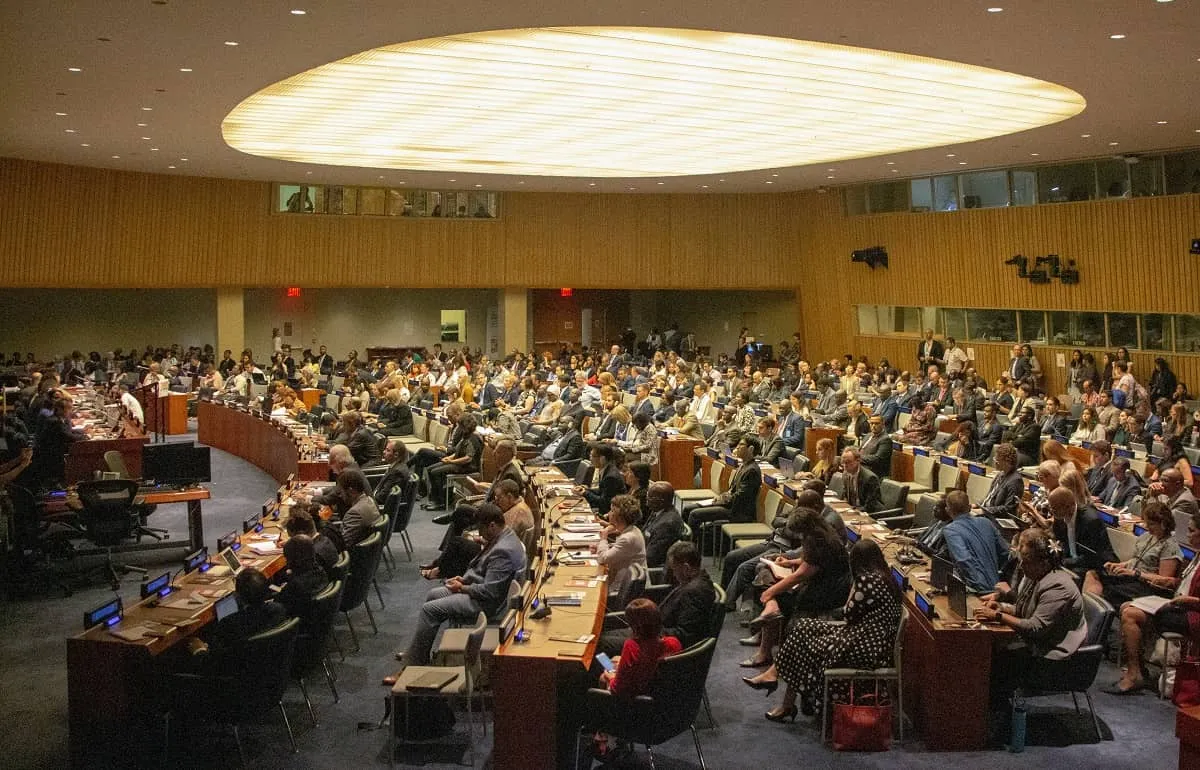
Planning Objections and Speaking at Committee
Navigating planning applications and development proposals can be a daunting prospect for individuals, communities, and businesses alike. In the UK, local authorities regularly consult on planning applications, meaning members of the public and stakeholders have a valuable opportunity to comment, object, or support a development under consideration. A key part of the UK’s democratic approach to local planning is the chance to speak at a planning committee a process where planning decisions are actually made. If you want to speak at the planning committee UK, it’s essential to understand how the system works and what happens both before and during the committee meeting.
What is a Planning Objection?
When a planning application is submitted to a local council, there is always a public consultation period. During this time, residents, local groups, statutory consultees, and other interested parties may submit comments. These are not limited to objections; supporting comments are equally welcome, but objections are particularly common when developments may impact local communities, heritage, environment, infrastructure, or the character of an area.
Planning objections should be based on material planning considerations. In the UK, planning committees operate under strict policies, including the National Planning Policy Framework (NPPF) and Local Plans. When you submit objections, you should avoid personal disputes, property values, and non-planning matters, focusing instead on issues such as:
- Impact on traffic, highways, and parking
- Design, layout, and scale of the development
- Overshadowing, privacy, or loss of daylight
- Environmental or biodiversity impact
- Noise, disturbance, or pollution
- Risk of flooding
- Adherence to planning policy and relevant guidance
It’s crucial to ensure your objection is clear, concise, and references planning policy wherever possible. Numbers matter too if multiple objections are received, it signals wide concern, which the council must take seriously.
How to Object to a Planning Application
Objecting to a planning application is a formal process. Most councils provide an online portal where you can register your comments, but objections are also accepted via email or post. When submitting your objection, ensure you include:
- Your name and address (anonymous comments are generally disregarded)
- The planning reference number
- A clear statement of objection, detailing reasons backed by planning policies or guidance
While individual objections are important, local groups or parish councils may choose to gather support to present a unified, collective objection. This can often carry more weight at committee meetings and during officers’ assessments.
The Planning Committee Process
Not all planning applications go to committee. Many are decided by planning officers under delegated powers, especially if they are considered minor or uncontroversial. However, if an application receives significant objections, is called in by a councillor, or is otherwise contentious, it may be referred to the Planning Committee.
The committee is composed of elected councillors, not planning officers. Their role is to weigh up all representations, planning policies, and officers’ reports before making a decision in public. Officers provide a report with a recommendation to approve or refuse, but the committee can overturn this if they have justified planning grounds.
Committees usually meet monthly and agendas are published in advance. You can view officer reports and supporting documents prior to the meeting, and some councils stream meetings online for greater transparency.
Your Right to Speak at the Planning Committee UK
One of the most significant opportunities for influencing a planning application is to speak at planning committee UK. This right, sometimes called “public speaking at committee,” is not universal across all councils, but the vast majority in England, Wales, Scotland, and Northern Ireland allow some form of public participation.
The procedures and rules vary between local planning authorities. Some key points include:
- Registration: You usually need to register in advance to speak. Some councils set a deadline a week before the committee, others closer to the meeting date.
- Time Limits: Speaking time is typically restricted, ranging from 2 to 5 minutes per person or group. Sometimes, a fixed time is shared among all objectors, so cooperation is essential.
- Order of Speakers: Usually, objectors speak first, followed by applicants (and sometimes supporters), then councillors discuss and vote.
- Content: You should keep to planning issues only straying into irrelevancies may lead to your time being curtailed.
Councils provide specific guidance on their website about how to speak at the planning committee UK. Always review these to make sure you follow the proper procedure.
Preparing to Speak: Tips and Best Practices
Speaking at the planning committee can feel intimidating, especially if you’re not used to public speaking. These tips will help you maximise your impact:
- Prepare your speech: Write out your statement, focusing on planning concerns and referencing relevant policies. Rehearse it to fit within the allowed time.
- Coordinate with others: If several residents wish to speak, agree among yourselves who will cover which points. This avoids repetition and makes your collective case stronger.
- Stay factual and respectful: Avoid personal criticism or emotional arguments; focus on evidence and how the development affects the community or contravenes policy.
- Provide visual aids: Some committees allow photos or maps (check in advance), which can help illustrate your points effectively.
- Attend the meeting in person, if possible: Even if you don’t speak, being present demonstrates the level of community interest.
Remember, the committee’s decision must be based on planning considerations. Strong, well-evidenced points referencing policies are much more influential than passionate but generalised objections.
What to Expect At the Committee Meeting
On the day, the procedure is usually as follows:
- The Chair introduces each application, summarising the proposal and outlining ground rules for speakers.
- Planning officers present the case, summarising their report and recommendation.
- Public speakers are invited in turn objectors first, then supporters or the applicant.
- Councillors may ask questions for clarification but cannot engage in debate with speakers.
- Debate and decision-taking among committee members begin. Councillors may ask further questions of officers.
- A final vote is taken to approve, defer, or refuse the application.
Your speech is only one of many factors considered, but a well-delivered objection can highlight points that might otherwise be overlooked in written submissions.
The Role of Ward Councillors and Parish Councils
In the UK, elected members representing the area affected by a planning application, known as ward councillors, have a special role. They can:
- Call in applications for committee consideration (if there is significant public interest or policy issues)
- Support or object to an application by submitting their own representations
- Speak at the committee alongside members of the public
Parish and town councils are statutory consultees on planning matters and often submit formal comments representing the community. Their representatives may be allowed additional or separate speaking rights at committee meetings.
How Decisions are Made
After hearing speakers and discussing the merits of an application, the committee must make its decision based on the evidence before it and in accordance with the development plan, national policy, and all material considerations.
If the committee resolves to refuse an application against officers’ advice, it must provide clear, objective planning reasons, often informed by the points made in objections or public speeches. Conversely, if the committee approves, conditions may be attached to mitigate concerns.
After the Committee: Appeals and Outcomes
Once a decision is taken, notices are issued, and the applicant may pursue the scheme, subject to conditions or further consents. Objectors cannot appeal planning approvals, but applicants can appeal against refusals. If you believe the process was legally flawed, a judicial review may be an option, but this is rare and requires specialist advice.
Councils publish minutes and recordings of committee meetings. Reviewing these can help you understand why a decision was made and how objections or public speeches influenced the outcome.
The Impact of Speaking at the Planning Committee UK
Speaking at a planning committee gives residents, community groups, and stakeholders a valuable opportunity to directly engage with the planning decision-making process. As outlined throughout this guide, while written objections are important, presenting concerns in person before committee members can help ensure that local impacts, policy concerns, and community interests are fully understood before a final decision is made.
Effective participation at the committee stage depends on preparation, clarity, and a strong understanding of material planning considerations. Well-structured objections and focused committee speeches can play a significant role in influencing how applications are assessed and determined by councillors.
Contact Charrette Law today if you require professional support with planning objections or speaking at the planning committee. Charrette Law provides specialist planning and legal guidance to help you prepare persuasive representations, navigate committee procedures, and present your concerns clearly and effectively throughout the planning process.