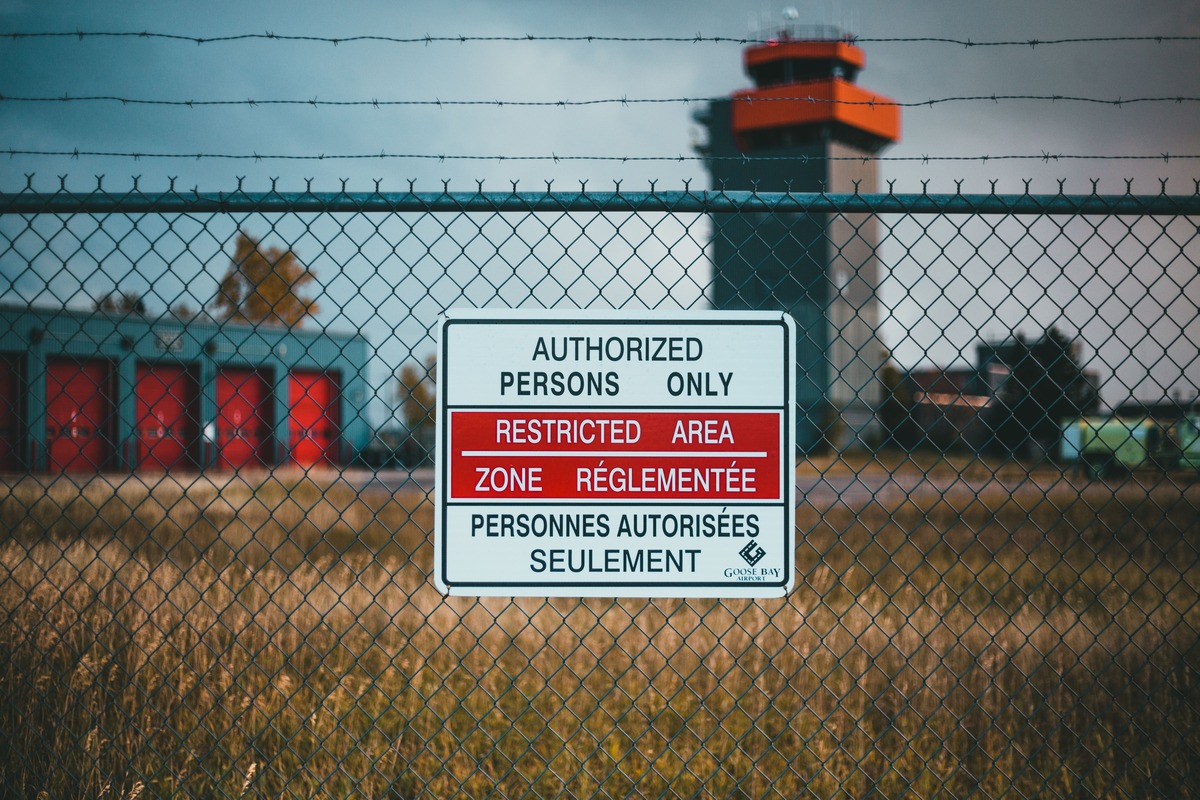
A planning enforcement notice is a formal legal notice issued by a local planning authority when it considers that a breach of planning control has occurred. It may require a property owner, developer or occupier to stop an unauthorised development, remove an unauthorised structure, restore land to its previous condition or take specific steps to address a planning breach.
Receiving a planning enforcement notice can create significant challenges for property owners and developers, particularly where construction work, property use or investment plans are affected. Understanding the notice, the reasons behind it and the available options is essential for managing the situation effectively.
Charrette Law provides planning advice and support to property owners, developers and other stakeholders dealing with planning enforcement matters in the UK.
What Is a Planning Enforcement Notice?
A planning enforcement notice is a statutory measure used by a local planning authority to address a breach of planning control. It may be issued where development has taken place without the necessary planning permission or where an existing planning permission has not been complied with.
A breach of planning control can include:
- Constructing an extension or building without the required planning permission.
- Changing the use of a property without obtaining the necessary consent.
- Failing to comply with conditions attached to a planning permission.
- Carrying out building works that differ materially from approved plans.
- Making unauthorised alterations to land or buildings.
The purpose of a planning enforcement notice is to remedy the identified breach and, where necessary, restore the land or property to an acceptable condition under planning law.
It is important to understand that not every planning breach automatically results in an enforcement notice. Local planning authorities consider the circumstances of each case and the appropriate action under the relevant planning legislation.
Why Might a Local Planning Authority Issue a Planning Enforcement Notice?
Local planning authorities have powers to investigate suspected breaches of planning control and take enforcement action where they consider it appropriate. An enforcement notice may be issued for several reasons.
Unauthorised Building Work
Building an extension, outbuilding or other structure without the required planning permission may result in enforcement action. This can also apply where completed works differ significantly from the approved plans.
Unauthorised Change of Use
Changing a property’s use without the necessary planning permission may constitute a breach of planning control. Examples include converting a residential property into certain commercial uses or using land for activities that require planning consent.
Breach of Planning Conditions
Planning permission may be granted subject to conditions relating to matters such as operating hours, building materials, landscaping or access arrangements. Failure to comply with relevant conditions may lead to enforcement action.
Development Affecting Local Amenity
A local planning authority may investigate development that causes concerns about neighbouring properties, the character of an area, highway safety or other planning considerations. Whether formal enforcement action is appropriate depends on the circumstances and relevant planning policies.
What Does a Planning Enforcement Notice Require You to Do?
The requirements of an enforcement notice depend on the nature of the alleged breach. The notice should identify the breach, specify the steps required to remedy it and state the date on which it takes effect.
The authority may require the recipient to:
- Stop carrying out specified building or development works.
- Remove an unauthorised building, extension or structure.
- Restore land to its previous condition.
- Cease an unauthorised use of a building or land.
- Carry out alterations to bring a development into compliance.
- Comply with specific requirements within a stated period.
The notice should be read carefully because the steps required and the compliance period are specific to the individual case. Failure to comply with an effective enforcement notice can lead to prosecution or other enforcement measures, depending on the circumstances.
How to Respond to a Planning Enforcement Notice
Receiving a planning enforcement notice does not necessarily mean that all options have been exhausted. The appropriate response will depend on the alleged breach, the planning history of the property and the requirements of the notice.
Review the Notice Carefully
Read the notice thoroughly to understand the alleged breach, the steps required, the effective date and the compliance deadline. Check that the property details and description of the alleged breach are accurate.
Gather Relevant Documents
Collect planning permissions, approved drawings, building records, correspondence with the local planning authority, photographs and any other documents relevant to the development. These may help establish what work was undertaken and whether it complied with existing permissions.
Consider Whether an Appeal Is Appropriate
In England, an enforcement notice may be appealed on one or more statutory grounds under section 174 of the Town and Country Planning Act 1990. These include arguments that the alleged breach did not occur, that the activity does not require planning permission, that enforcement action is no longer available or that the steps required go beyond what is necessary. An appeal may also be based on the case for granting planning permission, subject to applicable restrictions.
Explore Retrospective Planning Permission Where Appropriate
In certain circumstances, a property owner may be able to apply for retrospective planning permission for development that has already taken place. However, submitting an application does not automatically resolve an enforcement notice or remove the need to comply with its requirements. The relationship between an application and an appeal must be assessed carefully.
Seek Professional Planning Advice
A planning consultant or solicitor with relevant expertise can review the notice, assess the available grounds of appeal and help prepare supporting evidence. Professional advice can also help determine whether compliance, modification of the development or another course of action is appropriate.
Planning Enforcement Notice Appeal Deadlines
Appeal deadlines are particularly important because missing the relevant deadline may remove the opportunity to challenge the notice through the usual appeal process.
In England, an appeal against an enforcement notice must generally be received by the Planning Inspectorate before the notice takes effect. The effective date is stated in the notice and should be checked immediately. Late appeals are not accepted under the standard procedure.
Property owners should therefore avoid delaying action while gathering evidence or considering their options. The applicable requirements may differ in Wales, Scotland and Northern Ireland, so the relevant jurisdiction must be established before taking action.
What Happens If You Ignore a Planning Enforcement Notice?
Ignoring an effective planning enforcement notice can have serious consequences for property owners and developers.
Potential consequences include:
- Prosecution: Failure to comply with an enforcement notice can constitute a criminal offence.
- Financial penalties: A conviction may result in a fine, depending on the offence and applicable legislation.
- Further enforcement action: The local planning authority may take additional steps to secure compliance, including carrying out certain remedial works itself where legally authorised.
- Property sale complications: Unresolved enforcement matters may affect conveyancing, property transactions and a purchaser’s willingness to proceed.
- Development delays: Ongoing enforcement proceedings can disrupt construction, redevelopment or investment plans.
The consequences depend on the particular notice, the alleged breach and the applicable legislation. Taking early advice can help property owners understand their obligations and available options.
How Charrette Law Can Help With Planning Enforcement Matters
Planning enforcement disputes can involve detailed legal requirements, technical planning evidence and strict procedural deadlines. Understanding the available options is essential when responding to an enforcement notice or seeking to resolve an alleged breach of planning control.
Charrette Law offers planning-related advice and support for property owners, developers and other stakeholders dealing with planning matters in the UK.
Depending on the circumstances, professional support may include:
- Reviewing planning enforcement notices and associated documents.
- Assessing the planning history of a property or development.
- Advising on potential enforcement notice appeal grounds.
- Assisting with planning appeal documentation and supporting evidence.
- Advising on retrospective planning applications where appropriate.
- Helping property owners understand compliance requirements and possible next steps.
Every enforcement case is different. The appropriate approach will depend on the facts, the applicable planning legislation and the requirements of the relevant local planning authority.
Frequently Asked Questions About Planning Enforcement Notices
Can I Appeal Against a Planning Enforcement Notice?
Yes. In England, eligible owners, leaseholders and other qualifying parties with an interest in the land or relevant occupation may appeal against an enforcement notice on one or more statutory grounds. The appeal must be submitted before the notice takes effect.
Can I Obtain Planning Permission After Receiving an Enforcement Notice?
In some circumstances, retrospective planning permission may be available. However, restrictions can apply to the relationship between a retrospective application and an enforcement appeal. An application should not be assumed to suspend or cancel the enforcement notice.
How Long Do I Have to Comply With a Planning Enforcement Notice?
The compliance period is specified in the notice. It varies according to the circumstances and the steps required. The effective date and compliance requirements should be reviewed as soon as the notice is received.
Can a Planning Enforcement Notice Affect the Sale of My Property?
Yes. An outstanding enforcement notice can create legal and practical complications during a property sale. Buyers, solicitors and mortgage lenders may seek information about the breach, the notice’s requirements and whether the matter has been resolved.
Can a Planning Enforcement Notice Be Withdrawn?
A local planning authority may withdraw an enforcement notice in appropriate circumstances, subject to the applicable statutory provisions. Whether withdrawal is possible will depend on the facts of the case and the authority’s reasons for taking enforcement action.
Get Professional Advice on a Planning Enforcement Notice
A planning enforcement notice requires prompt attention. Understanding the alleged breach, reviewing the notice’s requirements and identifying the available legal and planning options can help property owners and developers make informed decisions.
Charrette Law can provide planning-related guidance to help you understand your position and consider the next steps for your property or development.
Contact Charrette Law to discuss your planning enforcement concerns and explore the available options for addressing the matter.