With the ever-growing complexities in urban construction, particularly in densely populated areas, crane operations often require solutions that extend beyond the boundaries of the construction site itself. In such scenarios, the use of oversailing licences becomes crucial. These legal permits provide the necessary authorisation for cranes and other equipment to pass over third-party land, airspace, or property during construction activities. It ensures all parties’ rights are protected while maintaining smooth project progress.
What is an Oversailing Licence?
An oversailing licence is a formal agreement that allows a developer, contractor, or project manager to allow a crane (typically a tower crane) or construction apparatus to swing its jib or loaded arm across the boundary of neighbouring property – essentially permitting temporary access to airspace above someone else’s land. The licence will outline precise terms and conditions, obligations of all parties, and how risk and responsibility are managed between the developer (the party carrying out the works) and the landowner whose airspace is being crossed.
Why are Oversailing Licences Necessary?
The requirement for oversailing licences is rooted in the fundamental legal principle that a property owner’s rights extend vertically into the airspace above their land. Any unauthorised intrusion, including the swinging of crane jibs, can amount to trespass. This is the case even if there is no physical contact with the land underneath.
With urban regeneration and high-rise builds becoming more common, construction sites frequently have little or no set-off from neighbouring properties, especially in city centres such as London, Birmingham, or Manchester. In such instances, to carry out construction safely and effectively, cranes may need to temporarily traverse, or ‘oversail’, adjoining properties. Failure to secure an oversailing licence can lead to injunctions, compensation claims, project delays, and reputational damage.
Legal Basis for Oversailing Licences
Under English law, a property owner’s rights aren’t just confined to the earth beneath; they also extend upwards. This concept is known as the right to airspace. Therefore, if any part of a crane enters airspace above a neighbour’s property without consent, it constitutes a trespass, regardless of whether any damage has occurred. Not only does this expose developers to legal action, but insurance policies may also be invalidated if works are carried out unlawfully.
An oversailing licence serves to mitigate these risks by obtaining the appropriate permissions, setting clear terms, and minimising the likelihood of disputes. It can ensure compliance with planning regulations, protect third-party rights, and facilitate the insurance process for all involved in the construction project.
What Does an Oversailing Licence Cover?
A comprehensive oversailing licence will deal with several essential factors:
- Identification of Oversailed Airspace: The licence will precisely identify the area of airspace to be used, often including technical plans and diagrams as schedules to the agreement.
- Duration: The document will specify the timeframe during which oversailing is permitted, including provisions for extension or early termination.
- Permitted Use: The licence will define the purpose and limits of use – usually in relation to the construction project at hand.
- Operational Restrictions: There may be time constraints (such as no overnight or weekend operation), height and swing restrictions, or other parameters to address the concerns of the adjoining landowner.
- Indemnity and Insurance: The user is typically required to indemnify the landowner against losses and maintain adequate public liability insurance throughout the period of oversailing. Minimum levels of cover will be specified.
- Access Rights: The licence may grant licensed access for installation, maintenance, and removal of the crane or equipment.
- Compensation: Details regarding payment for the licence may be outlined, often based on loss of use, disturbance, or simply a negotiated fee.
- Health and Safety Provisions: Procedures for safe working, emergency arrangements, and compliance with regulations such as CDM (Construction (Design and Management) Regulations 2015) will be included.
- Dispute Resolution: These clauses govern how disagreements will be managed, possibly including reference to mediation or arbitration.
Types of Crane Operations Requiring Oversailing Licences
The most typical scenario requiring an oversailing licence is the operation of a tower crane on a tight urban site. Such cranes may have a jib (the horizontal arm) that swings goods across numerous boundaries, sometimes over residential, commercial, or public spaces.
Other situations include:
- Mobile crane deployments where hoisting needs cross-site boundaries
- Material hoists moving vertically or laterally over adjacent properties
- Temporary works, such as gantries, scaffolding, or cantilevered access platforms that oversail
Who Needs to Apply for an Oversailing Licence?
The party responsible for conducting the crane or oversailing operation (usually the developer or principal contractor) must seek the oversailing licence. However, this party will need to coordinate with both their own project and the owner of the property being oversailed. In some cases, highway authorities and local councils become involved, especially where overstepping public land or roads.
It’s crucial to allow sufficient time to obtain the necessary identification, negotiation, and completion of an oversailing licence. Delays in securing these rights can put entire project timelines at risk.
The Process of Securing an Oversailing Licence
Securing an oversailing licence generally unfolds through the following steps:
- Initial Assessment: The developer identifies the need to oversail third-party land or airspace as part of their construction planning process.
- Approach Neighbouring Landowner: Formal or informal contact is made with the owner of the land or building to be oversailed. This could be a private individual, a business, the local authority, or a management company.
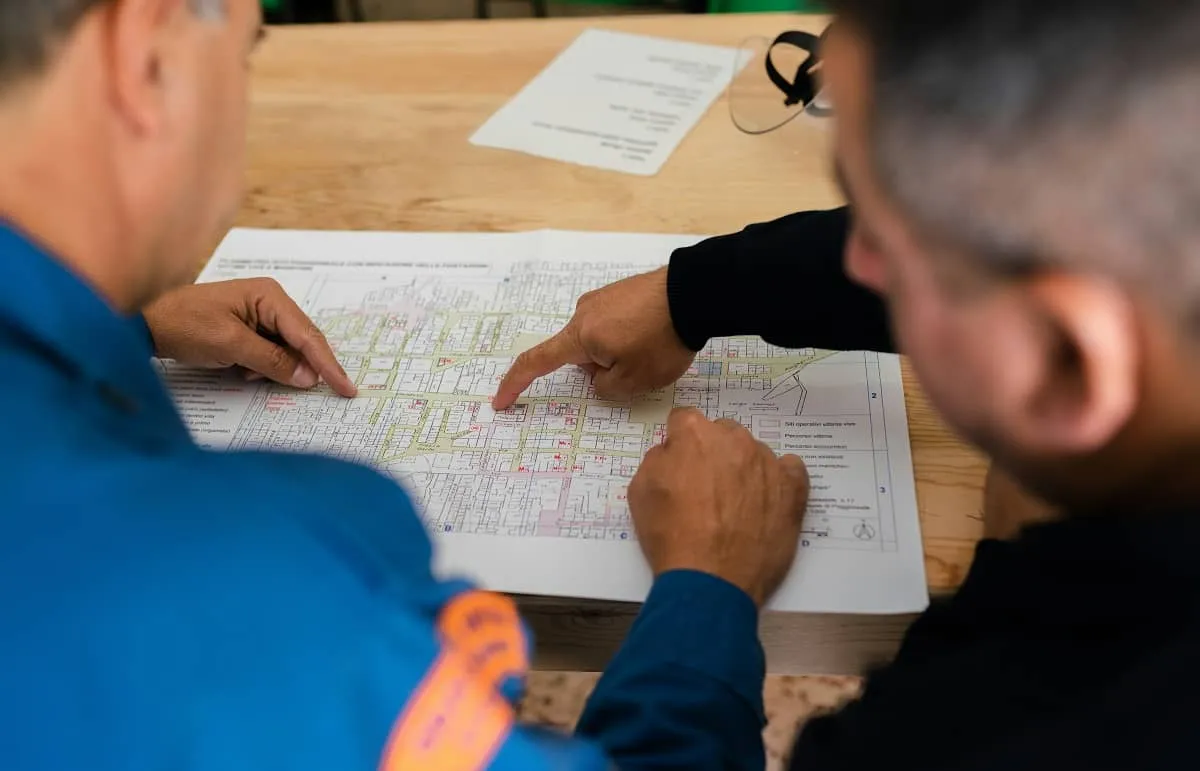
- Survey and Technical Documentation: Detailed plans are prepared by surveying and engineering teams, highlighting the specific areas to be oversailed, movement paths, maximum heights, load details and safety measures.
- Negotiation: The scope of work, safety protocols, compensation, insurance, and operational hours are discussed. Legal advisors draft and review the licence document, negotiating clauses as needed.
- Agreement and Signing: Once the terms are agreed upon, the document is formally executed, and the developer pays any fees or deposits required.
- Implementation: Works can begin, subject to compliance with all licence terms.
- Termination and Reinstatement: On completion, any site restoration or compensation is handled as outlined in the licence.
Typical Challenges When Arranging Overseas Licences
Despite their routine necessity, obtaining oversailing licences can present several challenges, including:
- Reluctant Owners: Adjoining landowners may resist the granting of access to their airspace, particularly if the works are noisy, disruptive, or if they foresee privacy/security concerns.
- Valuation of Compensation: Negotiating a fair licence fee or compensation for disturbance can be contentious.
- Multiple Interests: In large apartment blocks or commercial properties with leasehold arrangements, identifying and obtaining agreement from all interested parties can prove complex.
- Insurance Disputes: Ensuring that the correct insurance is in place, covers all parties, and meets the landowner’s expectations is vital.
- Time Pressure: Construction schedules often leave little room for negotiation, but cutting corners can expose the project to costly legal risk.
- Changes in Scope: Late alterations to construction plans may require adjustments to agreed oversailing areas or timings, feeding back into the negotiation cycle.
Oversailing Licences and Rights of Light
One particular legal issue that sometimes overlaps with overlying rights is the ‘right of light’. While oversailing a crane or equipment above an adjacent property typically doesn’t infringe these protected rights (since it is temporary and does not block daylight to windows for a prolonged period), a misunderstanding can cause unnecessary disputes. It’s essential to distinguish between oversailing airspace (a temporary and movable interference) and permanent structures that block light.
Securing Oversailing Licences for Successful Construction Projects
Oversailing licences are an essential legal safeguard for construction projects that require cranes or other equipment to operate over neighbouring land or airspace. By obtaining the necessary permissions before work begins, developers and contractors can avoid allegations of trespass, minimise the risk of costly legal disputes, and keep projects progressing on schedule. A well-drafted oversailing licence clearly defines the rights and responsibilities of all parties, covering matters such as operational restrictions, insurance, indemnities, compensation, and health and safety obligations.
Given the legal and practical complexities involved, early engagement with neighbouring landowners, careful project planning, and professional legal advice are key to securing an effective oversailing licence. By taking a proactive approach, developers can protect their interests, maintain positive relationships with adjoining property owners, and ensure construction activities are carried out safely, efficiently, and in full compliance with the law.