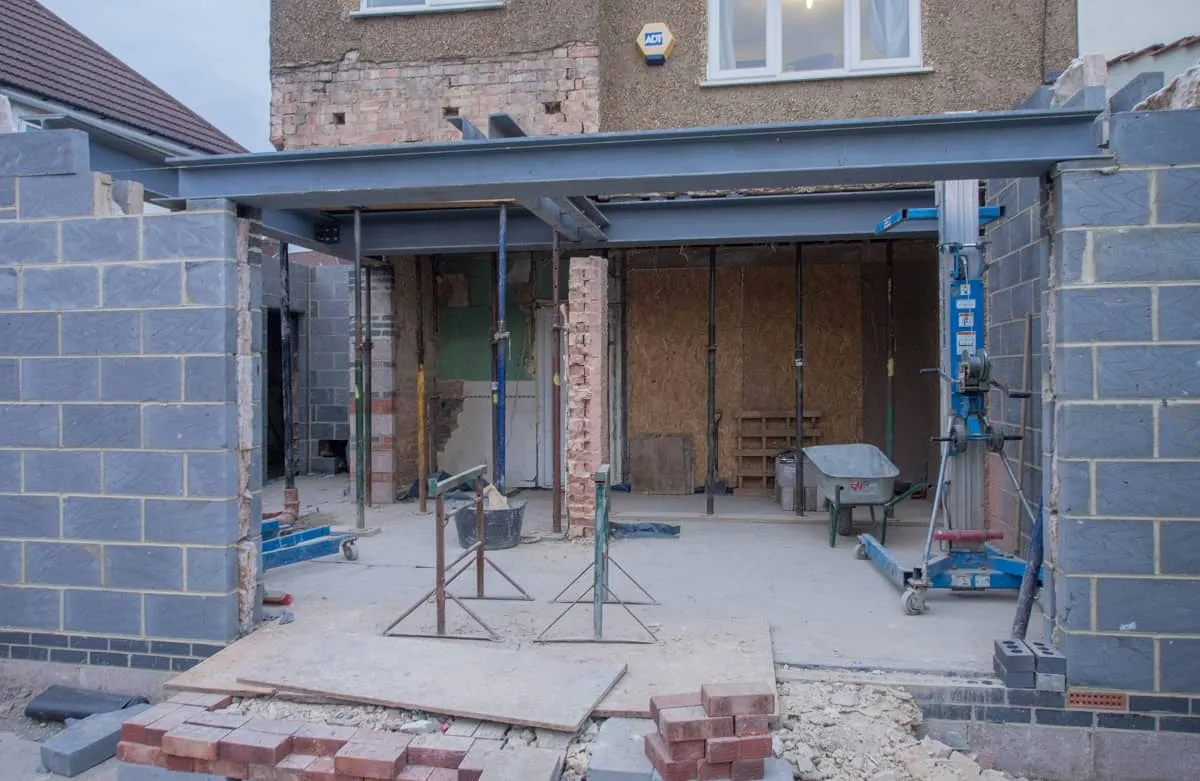
Introduction: Understanding Side Extension Planning Objection in the UK
In the United Kingdom, home improvements are a common way for property owners to maximise space and add value. Among these, side extensions are particularly popular, especially in urban and suburban areas where extending towards the side of a property can transform a home. However, every new development impacts the surrounding environment and the lives of neighbouring residents. Therefore, local authorities regulate these changes through planning application processes. Sometimes, those affected may want to lodge a side extension planning objection UK. Understanding how to object, the grounds for objection, and the process involved is essential for both residents and homeowners who care about the character of their community.
What is a Side Extension?
A side extension is an additional structure built to the side of an existing property, often to create more living space, such as an expanded kitchen, a new bedroom, or even an annex. These extensions can be single or double-storey and have the potential to dramatically alter the appearance and impact of a property. Given the potential for side extensions to affect neighbouring homes, daylight, privacy, and the street’s distinctiveness, planning permission from the local planning authority (LPA) is usually required, except for some cases under Permitted Development Rights.
The Role of Planning Permission
In the UK, extensions particularly side extensions are subject to stringent planning rules. Unless the planned structure qualifies under the specific criteria of Permitted Development, a full planning application must be submitted to the LPA. During this process, certain stakeholders, notably neighbours and community groups, are invited to comment or object to the proposals. A strong side extension planning objection UK can influence the planning committee’s decision, especially if based on valid material considerations.
What Triggers Neighbour Consultation?
When a planning application is submitted, the LPA will generally notify neighbours who share a boundary or are otherwise close to the proposed side extension. Notifications might come via letter, a notice posted on or near the site, or in the local press. This consultation period, often lasting three weeks, is the window during which written objections can be submitted. It’s during this critical time that neighbours wanting to raise a side extension planning objection UK must take action.
Valid Grounds for Side Extension Planning Objection (UK)
To be effective, objections must be based on “material planning considerations” issues that the planning department is required to consider. The following are the most common and successful grounds for a side extension planning objection UK:
- Loss of Light or Outlook: If a side extension significantly blocks sunlight from neighbouring properties or removes pleasant views by creating an imposing structure.
- Loss of Privacy / Overlooking: Windows or terraces facing neighbouring gardens or windows can unreasonably compromise privacy.
- Overdevelopment of the Site: If the extension leads to cramped, dense layouts that are out of keeping with the surrounding area.
- Out of Character with the Area: Extensions that fail to match the scale, design, or materials typical of the locality are often deemed unacceptable.
- Noisy Use or Increased Disturbance: The extension could introduce noise or disturbance beyond that which is reasonable in a residential area (e.g., if intended as a business or for sub-letting).
- Highway Safety and Parking: If the extension results in loss of on-site parking or increases pressure for on-street parking and road safety issues.
- Impact on Listed Buildings or Conservation Areas: Special rules apply to protected areas or structures.
Objections based on loss of value, personal disputes, or construction inconvenience are not considered material and will be discounted.
Understanding Local Planning Policy and Guidance
Every planning application is evaluated against the local development plan and any relevant national planning policies (such as the National Planning Policy Framework in England). Local authorities often have supplementary planning documents or design guides that set out acceptable standards for side extensions. Reviewing these can provide guidance on what is likely acceptable and what grounds might make for a successful side extension planning objection UK. If an application clearly contradicts these policies, referencing them in your objection can be hugely effective.
How to Write an Effective Side Extension Planning Objection (UK)
A well-crafted objection letter should:
- Be concise and focused: Clearly state your concerns and relate them to recognised material considerations.
- Reference policy: If possible, cite specific planning policies or local design guides which you believe are not being adhered to.
- Provide evidence: Photos, plans, or clear descriptions that illustrate the potential impact of the proposed side extension can strengthen your case.
- Remain objective: Avoid emotive language and personal attacks; focus on the planning issues.
- Submit on time: Ensure your objection is received within the designated consultation period.
Sending your objection by email or through the LPA’s online planning portal ensures a quick and trackable process. Keep a copy of your submission for reference.
Step-by-Step Guide to Objecting to a Side Extension Planning Application
- Review the Application: Access the full planning application documents, plans, and supporting statements via your local authority’s online planning portal.
- Identify Relevant Issues: Focus on material planning considerations and how the proposal might breach planning policies or guidance.
- Draft Your Objection: Write a letter outlining your concerns, referencing specific issues, and local policies.
- Submit Formally: Send your objection by the provided deadline through the official channels.
- Monitor the Application: After the consultation, decisions are made by planning officers or referred to the planning committee if controversial.
- Attend Committee Meetings: In certain cases, you may be allowed to address the planning committee directly.
Frequently Asked Questions about Side Extension Planning Objection UK
- What happens if my objection is successful?
If the planning authority agrees with your points, they may refuse planning permission, or request the applicant amends the proposal to address significant issues raised. - What if my objection is ignored?
It’s always possible for an application to be approved despite objections if the planning officer believes the proposal complies with all relevant policies. You can request to see the officer’s report, which will detail how objections were considered. - Can I appeal if planning permission is granted?
Only the applicant can appeal a refusal. However, objectors can challenge a grant of permission via a Judicial Review if legal process errors are present, though this is costly and rare. - Are objections confidential?
Usually, objections are public documents, though personal contact details are redacted. - Can I object if the work is already underway?
Retrospective planning applications sometimes occur. If you believe development is unlawful, contact the council’s enforcement team.
The Role of Petitions and Group Objections
A single, well-argued letter often carries more weight than a short, emotional petition. However, a large volume of individual objections (especially if they raise unique points) can demonstrate significant local opposition and draw attention to potential problems. Community action groups or residents’ associations may also coordinate group submissions, referencing shared concerns that are relevant to the planning authority.
Engaging with Applicants: Mediation and Negotiation
Raising a side extension planning objection UK does not always mean conflict. Frequently, applicants are willing to amend their proposals to address neighbours’ concerns before the committee considers the application. If the applicant is receptive, mediation can lead to mutually acceptable revisions such as moving windows, scaling back the size, or including screening treatments. Early dialogue is often the most constructive path to a solution.
Making Effective Side Extension Planning Objections
Making a side extension planning objection UK requires a clear understanding of material planning considerations and how local planning authorities assess the impact of development on neighbouring properties and the wider area. Issues such as loss of light, privacy, overdevelopment, and design impact are central to how objections are evaluated, and must be clearly evidenced and properly framed within planning policy.
It is also important to recognise that every application is assessed on its individual merits against both local development plans and national planning policy. For an objection to carry weight, it should be structured, policy-led, and supported by clear reasoning rather than personal preference or unrelated concerns. This ensures that only genuine planning harms are taken into account in the decision-making process.
Contact Charrette Law today to discuss your side extension planning concerns with our experienced team. We can assist with planning applications, objections, appeals, and tailored planning advice to help you navigate the process with confidence and achieve the best possible outcome for your property.