A kitchen extension can transform how a property looks, feels and functions. For homeowners with cramped kitchens, limited dining space or an awkward layout, extending the kitchen can create a more practical living environment while potentially increasing the property’s resale value.
However, the financial return is not guaranteed. The value a kitchen extension adds depends on the property’s location, the quality of the design, the amount of additional space created, the existing condition of the house and what prospective buyers in the area are willing to pay.
Before investing in a kitchen extension, it is worth considering whether the project will improve the property’s market appeal, solve an existing space problem and justify the cost of construction.
How Much Value Can a Kitchen Extension Add?
A kitchen extension can potentially increase a property’s value by improving its usable floor space, layout and overall appeal. However, there is no guaranteed percentage increase that applies to every property.
Research published by Nationwide in October 2025 found that increasing a property’s floor area by 10% could add approximately 5% to its value, while larger home improvements involving extensions or loft conversions that create additional accommodation could have a more significant effect. These figures should not be interpreted as a guaranteed valuation for a kitchen extension alone.
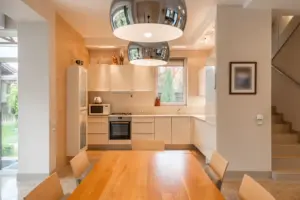
A kitchen extension that creates a spacious kitchen-diner, improves access to the garden or makes a previously awkward layout more functional may be particularly attractive to buyers.
The potential uplift will also depend on whether the finished property remains competitively priced compared with similar homes in the area.
What Makes a Kitchen Extension More Valuable?
Not all kitchen extensions deliver the same financial benefit. The design decisions made during the planning and construction stages can influence how much value the finished project adds.
1. Creating a Functional Open-Plan Space
One of the main reasons homeowners extend their kitchens is to create a more open and connected living area. Combining the kitchen, dining space and sometimes a lounge area can make a property more suitable for modern family life.
An extension that allows people to cook, eat, entertain and spend time together without feeling confined may improve the property’s appeal to a wider range of buyers.
However, open-plan design should be carefully considered. The space needs to remain practical, with sufficient room for cooking, storage, dining and movement.
2. Increasing Usable Floor Space
A kitchen extension that adds meaningful usable space can make a home feel significantly larger without requiring the owner to move.
Additional space may accommodate:
- A larger kitchen island
- A dedicated dining area
- More kitchen storage
- A utility area
- Additional seating or entertaining space
- Better access to the garden
The more effectively the extension addresses the limitations of the original kitchen, the more likely it is to improve the property’s overall appeal.
3. Improving Natural Light
Natural light is an important consideration when designing a kitchen extension. Rooflights, glazed doors and carefully positioned windows can help make the new space feel bright, welcoming and connected to the outdoors.
A well-lit kitchen can improve the experience of using the space daily and help potential buyers appreciate the extension during viewings.
Large glazing should still be balanced with privacy, insulation, ventilation and energy efficiency requirements.
4. Choosing a Design That Complements the Existing Property
An extension should feel like a natural part of the home rather than an addition that appears disconnected from the original building.
The choice of materials, roof design, window proportions, brickwork and internal finishes can influence how well the new space integrates with the existing property.
A thoughtful design that complements the original house may have a stronger effect on buyer perception than an extension that prioritises size without considering architectural consistency.
Does a Kitchen Extension Always Pay for Itself?
No. A kitchen extension may increase the property’s value without recovering the full cost of construction.
The overall investment may include:
- Architect or designer fees
- Structural engineer fees
- Planning application fees, where applicable
- Building Regulations costs
- Construction and labour
- Kitchen units and appliances
- Flooring, lighting and finishes
- Drainage and utility alterations
- Landscaping and external works
For example, spending £60,000 on a kitchen extension does not automatically mean the property will increase in value by £60,000. The actual uplift will depend on the local property market and the quality and usefulness of the completed space.
Homeowners should therefore assess the project as both a lifestyle improvement and a potential property investment, rather than relying solely on an expected resale profit.
Factors That Could Limit the Value Added
Even a beautifully designed kitchen extension may not deliver the expected financial return if the project is poorly matched to the property or local market.
Overdeveloping the Property
Adding an expensive extension to a property in an area where buyers are unwilling to pay a premium for larger homes may limit the return on investment.
The local ceiling price is important. If neighbouring properties with similar specifications sell within a relatively narrow price range, spending significantly more on an extension may not translate into an equivalent resale value.
Poor Layout or Design
An extension that adds space without improving functionality may not deliver the expected benefit.
A large kitchen with inadequate storage, limited worktop space, poor lighting or an awkward dining arrangement can be less appealing than a smaller but better-designed layout.
Neglecting the Rest of the Property
A new kitchen extension may highlight the need for improvements elsewhere in the house. Buyers may be less willing to pay a premium if the extension is modern but the rest of the property is poorly maintained or outdated.
Maintaining a consistent standard throughout the home can help the extension contribute positively to the property’s overall presentation.
Is a Kitchen Extension Better Than Moving House?
For some homeowners, extending the kitchen may be a more practical alternative to moving.
Moving to a larger property can involve estate agent fees, conveyancing costs, removal expenses, taxes and the inconvenience of relocating. Extending may allow homeowners to remain in a familiar neighbourhood while creating the additional space they need.
However, extending is not always the more economical option. Construction costs, disruption, planning considerations and the potential limitations of the existing property should be assessed against the cost of purchasing a larger home.
The decision should consider both the financial implications and the long-term benefits of staying in the property.
Planning Permission and Building Regulations for a Kitchen Extension
Before construction begins, homeowners should establish whether their proposed kitchen extension requires planning permission.
Some single-storey kitchen extensions may fall within permitted development rights, subject to limits on dimensions, height, location, materials and other conditions. Larger extensions or proposals involving restricted properties may require a planning application.
Building Regulations approval is a separate consideration. Structural safety, foundations, insulation, ventilation, drainage, glazing, electrical installations and other building requirements may need to be addressed even where planning permission is not required.
Understanding these requirements early can help avoid unexpected costs, enforcement issues or delays that could affect the project’s budget and eventual value.
How to Make Your Kitchen Extension a Worthwhile Investment
If adding value is one of your main objectives, consider the following before committing to construction:
- Research comparable properties in your area to understand what buyers are paying for similar homes.
- Prioritise functionality, natural light and a practical layout over expensive finishes alone.
- Establish a realistic construction budget, including professional fees and contingency costs.
- Avoid adding more space than the property and local market can reasonably support.
- Confirm the relevant planning and Building Regulations requirements before work starts.
- Seek local property valuation advice to understand the potential impact of the extension.
A well-planned kitchen extension should improve your enjoyment of the property while remaining appropriate for its location, size and market value.
Frequently Asked Questions
Does a kitchen extension increase house value?
A kitchen extension can increase house value by adding usable space, improving the layout and making the property more attractive to prospective buyers. The amount of value added depends on the location, size, quality and design of the extension.
What type of kitchen extension adds the most value?
Extensions that create a functional kitchen-diner or improve the connection between indoor living areas and the garden may appeal to buyers. However, the best design depends on the property’s existing layout and the expectations of buyers in the local market.
Is it worth spending more on a luxury kitchen extension?
Not necessarily. Premium finishes and expensive appliances may improve your enjoyment of the property, but they do not guarantee a higher resale price. A sensible budget and functional design may offer better value than an expensive specification that exceeds the expectations of the local market.
Can I extend my kitchen without planning permission?
Some kitchen extensions can be built under permitted development rights in England, provided the relevant conditions and limitations are satisfied. Other projects require planning permission. Property restrictions, conservation areas, previous extensions and the proposed design can all affect whether permission is needed.
Does a kitchen extension need Building Regulations approval?
Most kitchen extensions require Building Regulations compliance, even where planning permission is not required. The work must meet relevant standards for structural safety, fire safety, insulation, ventilation, drainage and other applicable requirements.
Get Expert Advice Before Extending Your Kitchen
A kitchen extension can add valuable living space and potentially improve your property’s market appeal, but the design, cost and planning considerations should be assessed before construction begins.
Charrette Law can help you understand the planning and property considerations relevant to your proposed extension and the approvals you may need.
Contact Charrette Law to discuss your project and make informed decisions before committing to your kitchen extension.