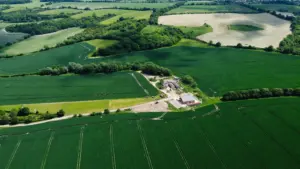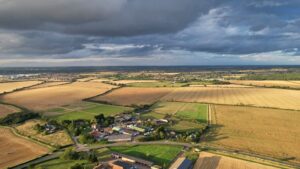
Green Belt land is often viewed as difficult to develop, but the planning position is more nuanced than a simple distinction between land that can and cannot be built on.
For landowners, developers and investors, the more important question is whether there is a realistic planning route for the particular development being considered.
This requires an assessment of the site’s planning history, existing use, physical characteristics, relevant planning policies and the nature of the proposed development.
A Green Belt planning consultant can help bring these factors together before an application is submitted or a significant investment is made.
Why Green Belt Planning Requires a Different Development Strategy
Green Belt policy places particular importance on protecting the openness of the Green Belt and preventing inappropriate development. As a result, proposals that may be relatively straightforward elsewhere can require a more carefully developed planning case when located within the Green Belt.
This does not mean that every proposal faces the same level of difficulty.
The planning position can differ depending on whether the proposal involves:
- A new building
- An extension to an existing property
- Replacement of an existing building
- Agricultural development
- Conversion of an existing building
- Rural business or farm diversification
- Outdoor sport or recreation
- Redevelopment of previously developed land
- A change of use
- A proposal involving an existing lawful development
Understanding which category a proposal falls into can be an important first step in establishing the appropriate planning strategy.
What Does a Green Belt Planning Consultant Actually Assess?
A Green Belt planning consultant should look beyond the site’s designation and consider the development opportunity as a whole.
Planning History
Previous applications, refusals, appeals, enforcement action and existing permissions can provide important information about how the planning authority has previously viewed the site.
A site’s planning history may also reveal whether particular development principles have already been accepted or rejected.
Existing Use and Buildings
The lawful use of the land and any existing buildings can significantly influence the available planning options.
For example, a proposal involving an existing building may need to be approached differently from an entirely new development on undeveloped land.
Green Belt Policy
The consultant can assess the proposal against national and local Green Belt policies and determine which policy considerations are likely to be most important to the application.
Openness
The effect of development on Green Belt openness can be a significant consideration. This may involve assessing the scale, form, location and visual impact of the proposal rather than looking solely at the proposed floor area.
Other Planning Constraints
Green Belt status is only one part of the planning assessment.
Other considerations may include:
- Conservation areas
- Listed buildings
- Flood risk
- Protected landscapes
- Ecology and biodiversity
- Trees and hedgerows
- Highway access
- Landscape character
- Residential amenity
- Public rights of way
- Drainage and infrastructure
A strong planning strategy should consider these issues together rather than treating Green Belt policy in isolation.
Identifying the Right Planning Route
One of the biggest risks associated with Green Belt development is pursuing the wrong planning route.
For example, a landowner may assume that because an existing agricultural building is present, it can automatically be converted into a dwelling. Another may assume that a site described as previously developed land can automatically be redeveloped.
Neither assumption should be made without examining the applicable planning rules.
A consultant can help determine whether the proposal may benefit from permitted development rights, requires prior approval or needs a full planning application.
Where a full application is required, the planning strategy should be developed around the relevant policies and the specific characteristics of the site.
Green Belt Development and the Importance of Evidence
A planning application for Green Belt land should not rely on general statements about the benefits of development.
The evidence needs to demonstrate why the particular proposal should be considered acceptable.
Depending on the project, this could involve:
- Design and access information
- Landscape and visual assessments
- Heritage assessments
- Ecology surveys
- Transport or highways information
- Flood risk and drainage assessments
- Agricultural justification
- Evidence relating to an existing business
- Information about existing buildings
- Alternative site assessments
- Evidence concerning the planning history
The required evidence will depend on the proposal and the issues raised by the local planning authority.
Can Planning Benefits Support Development in the Green Belt?
In certain circumstances, planning considerations beyond the physical characteristics of the development may be relevant to the assessment.
For proposals involving inappropriate development, the planning case may need to address whether there are very special circumstances that clearly outweigh the harm to the Green Belt and any other identified harm.
This is not a general exemption from Green Belt policy. It requires a proposal-specific assessment of the circumstances and planning considerations involved.
The strength of the case can therefore depend heavily on the quality and relevance of the evidence presented.
Buying Green Belt Land With Development Potential
Purchasing land based on an assumption that planning permission will eventually be obtained can expose buyers to substantial financial risk.
Before purchasing Green Belt land for development, it may be sensible to investigate:
Is There Existing Planning Permission?
Check whether permission has already been granted and whether it remains capable of implementation.
What Is the Planning History?
Previous refusals and appeals can reveal potential difficulties that may not be apparent from the property’s marketing description.
What Is the Lawful Existing Use?
The existing use of the land or buildings may affect the planning routes available for future development.
What Does Local Policy Say?
Review the relevant local plan and other planning documents to understand how the authority approaches development in the area.
Are There Other Site Constraints?
Flooding, ecology, highways, heritage, landscape and access issues can all affect development potential.
What Is the Proposed End Use?
A proposal for a dwelling, agricultural building, commercial use, tourism development or conversion may raise very different planning considerations.
Obtaining professional advice before exchanging contracts can therefore be particularly valuable where the financial viability of the purchase depends on future development.
Using Pre-Application Advice Strategically
Pre-application discussions can provide an opportunity to understand the local planning authority’s initial position before committing to a formal application.
For Green Belt proposals, this can be particularly useful where the scheme is complex or involves significant planning risk.
A pre-application submission can be used to seek feedback on matters such as:
- The principle of development
- Site layout
- Scale and design
- Green Belt impact
- Access
- Landscape considerations
- Heritage issues
- Supporting evidence
- Potential amendments to the proposal
Pre-application advice is not a guarantee of planning permission, but it can help identify weaknesses early enough for the proposal to be reconsidered before a formal application is made.
What If Green Belt Planning Permission Is Refused?
A refusal should be examined carefully rather than treated as the end of the development opportunity.
The decision notice should be reviewed alongside the submitted plans, planning policies and supporting evidence.
Depending on the circumstances, possible options may include:
- Revising the proposal
- Addressing specific policy concerns
- Providing additional evidence
- Submitting a new application
- Appealing the decision
- Reconsidering the proposed use or scale of development
The appropriate approach depends on the reasons for refusal and the planning merits of the case.
Where the refusal involves complex legal or policy issues, specialist planning or legal advice can help determine whether an appeal or alternative strategy is appropriate.
How Charrette Law Can Help With Green Belt Planning Matters
Green Belt planning decisions can have significant implications for landowners, developers and investors.
The challenge is often not simply obtaining permission but establishing whether a viable planning strategy exists before time and money are committed to a proposal.
Charrette Law can assist with planning matters involving Green Belt land, including assessing planning issues, reviewing planning documentation, considering development proposals and advising on potential planning routes.
Whether you are considering purchasing Green Belt land, developing an existing property, exploring a rural business opportunity or responding to a planning refusal, obtaining advice at an early stage can help identify potential risks and opportunities.
Contact Charrette Law to discuss your Green Belt planning requirements and the appropriate strategy for your site.
Frequently Asked Questions
Can you build on Green Belt land?
Development can take place on Green Belt land in certain circumstances, but Green Belt policies impose particular restrictions on inappropriate development. Whether a proposal can proceed depends on the type of development, its impact and the relevant planning policies.
Does Green Belt land automatically have no development potential?
No. Green Belt designation does not mean that every form of development is prohibited. Certain forms of development may be acceptable in principle, while other proposals may require a more detailed planning case.
Can I build a house on Green Belt land?
A new dwelling on Green Belt land will generally require careful planning assessment and, where applicable, planning permission. The proposal must be assessed against the relevant Green Belt policies and other planning considerations.
Can I convert a building on Green Belt land into a home?
Potentially. Certain changes of use or conversions may benefit from permitted development rights, subject to the applicable legislation, limitations and conditions. Other conversions will require a planning application.
Can agricultural buildings be developed on Green Belt land?
Certain agricultural buildings and operations may be permitted subject to applicable planning rules. Where permitted development rights do not apply, planning permission may be required.
What are very special circumstances in Green Belt planning?
Very special circumstances refer to circumstances that may, in appropriate cases, justify development that would otherwise be considered inappropriate in the Green Belt. The case must demonstrate that the relevant considerations clearly outweigh the identified harm to the Green Belt and any other harm.
Does previously developed land have a better chance of planning permission in the Green Belt?
Previously developed land can have a different planning context from undeveloped Green Belt land, but its status does not guarantee permission. The proposed development must still be assessed against the relevant policies and site-specific considerations.
Should I buy Green Belt land before getting planning permission?
This depends on the circumstances and the level of planning risk the buyer is prepared to accept. Where development potential is central to the purchase, obtaining planning advice before committing to the acquisition can help identify potential obstacles.
Can a Green Belt planning consultant help with a refused application?
Yes. A consultant can review the reasons for refusal, assess the planning arguments and consider whether the proposal could be revised or whether an appeal may be appropriate. Where the matter involves complex legal issues, specialist legal advice may also be required.
Is Green Belt planning the same throughout the UK?
No. Planning legislation and policy differ between England, Wales, Scotland and Northern Ireland. The applicable rules should therefore be established according to the location of the land.
Take a Strategic Approach to Green Belt Development
Green Belt land should not be assessed simply by asking whether development is allowed or prohibited.
The more useful question is whether the proposed use, site characteristics, planning history and applicable policies create a realistic route towards development.
A detailed assessment at the beginning of a project can help landowners and developers understand the planning risks, identify potential opportunities and avoid investing heavily in a proposal that has not been properly tested.
Charrette Law can provide professional planning support for those considering development or other planning matters involving Green Belt land.