
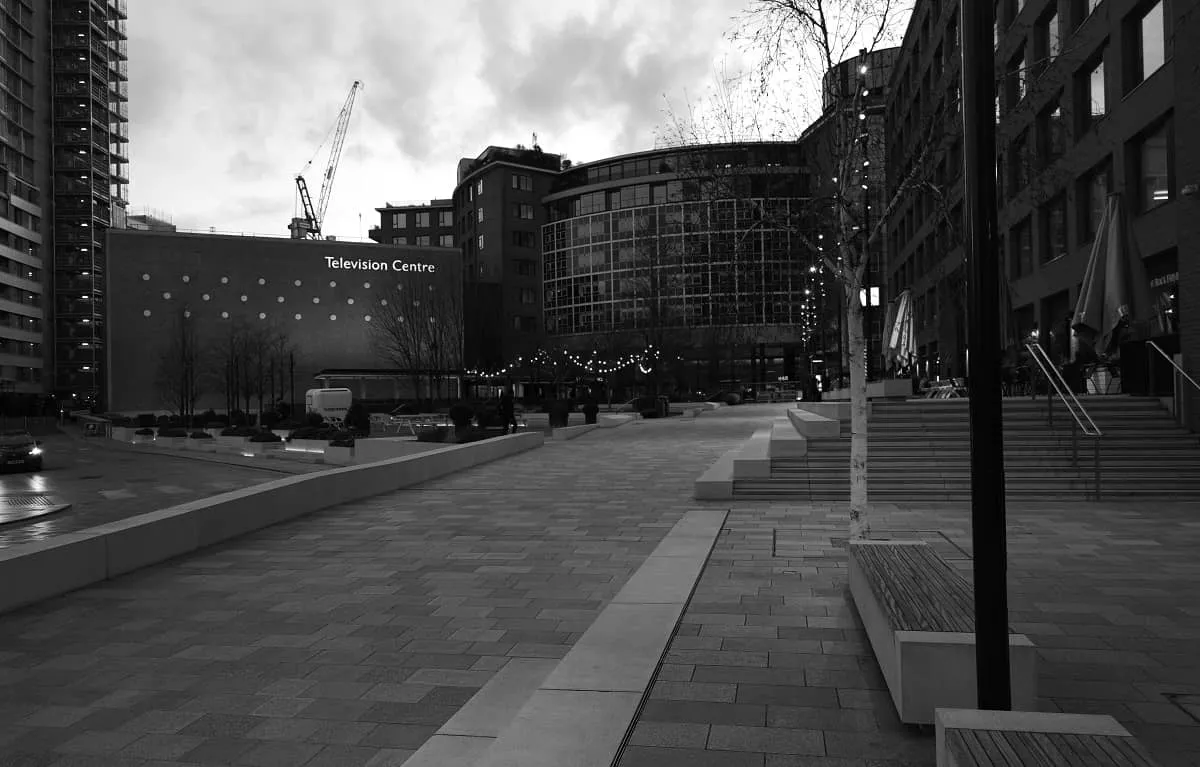
Introduction to City Centre Development Planning UK
The way cities grow, evolve, and respond to contemporary urban challenges is driven largely by strategic approaches to development planning. In the United Kingdom, city centre development planning is a critical aspect of urban management, aiming to balance economic prosperity, social inclusion, heritage preservation, and sustainability. The surge of investment in British city centres is evidence of their vital cultural, commercial, and civic roles. In this article, we will explore the fundamentals, best practices, challenges, key trends, and future outlook of city centre development planning UK, and why it matters for planners, developers, local authorities, and communities alike.
The Importance of City Centres in the UK
City centres in the UK hold a special place, not only due to their commercial vibrancy but also as hubs for transportation, culture, governance, and social life. With an increasing focus on place-making and sustainable urbanism, city centres are being reimagined as mixed-use districts. Development planning in these areas must consider the needs of diverse users, residents, businesses, shoppers, tourists, and commuters.
Cities like London, Manchester, Birmingham, Leeds, Glasgow, and Bristol have unique characteristics, yet share overlapping challenges: congestion, air quality, retail decline, housing need, and historical conservation. As city centre development planning UK evolves, there is a growing emphasis on fostering inclusivity, pedestrianisation, environmental responsibility, and digitisation to respond to modern patterns of working, shopping, and socialising.
History and Evolution of City Centre Development in the UK
The rich history of British urban development is evident in the tapestry of city centres across the country. The post-war years saw extensive undertaking of redevelopment, sometimes controversially, with a focus on vehicular access and office-centric layouts. In the late 20th century, there was a shift towards pedestrianisation, leisure, and retailing, transforming city centres into multifunctional destinations.
The 21st century has witnessed a renewed focus on sustainability, heritage-led regeneration, and city centre living. The decentralisation of offices, the rise of e-commerce, and the COVID-19 pandemic have accelerated shifts in how city centres function, prompting planners to rethink traditional approaches. Transport interchanges, green space integration, and multi-use zoning have become central features of contemporary city centre development planning UK.
Key Objectives of City Centre Development Planning UK
The fundamental aims of city centre development planning UK include:
- Economic Growth: Supporting retail, leisure, office, hospitality, and creative industries to underpin a vibrant economy and job creation.
- Sustainable Mobility: Enhancing public transport, cycling, and walking while reducing dependence on private vehicles. Creating 20-minute neighbourhoods with key services easily accessible.
- Urban Liveability: Improving quality of life through better housing, public realm, community facilities, and safer, cleaner streets.
- Cultural & Heritage Preservation: Protecting historic buildings and public spaces while judiciously integrating new architecture.
- Social Inclusion: Addressing inequalities through affordable housing, access to services, and inclusive urban design.
- Environmental Sustainability: Reducing carbon emissions, boosting biodiversity, and adapting to climate change.
Legislation and Policy Frameworks Shaping UK City Centre Planning
City centre development planning UK is driven by a robust legislative and policy infrastructure. The National Planning Policy Framework (NPPF) is the cornerstone, prioritising sustainable development and reinforcing the “town centre first” approach to retail and main-town centre uses. Local plans, produced by city councils and planning authorities, translate national objectives into strategic and site-specific guidance.
Supplementary planning documents, conservation area designations, and neighbourhood plans further shape the character and direction of city centre development. In devolved governments, such as the Welsh Government’s Planning Policy Wales and Scotland’s National Planning Framework, region-specific priorities and tools come into play.
Statutory controls, including Listed Building Consents and Article 4 Directions, ensure heritage assets and conservation areas are safeguarded within the broader context of growth and regeneration.
Main Strategies Used in UK City Centre Development Planning
A range of strategic approaches have emerged as best practice for UK city centre development planning:
- Masterplanning: Defining long-term visions and frameworks for development, guiding investment, phasing, and coordination among stakeholders.
- Public Realm Improvements: Upgrading streets, squares, and parks to create attractive, accessible, and safe environments for all users.
- Mixed-use Development: Encouraging vertical and horizontal integration of uses, residential, commercial, cultural, leisure, and civic within city centres.
- Heritage-led Regeneration: Repurposing historic buildings, respecting character, and fostering local identity through adaptive reuse.
- Transport and Connectivity Enhancement: Prioritising sustainable transit, last-mile solutions, pedestrianisation, and cycle infrastructure.
- Affordable Housing Provision: Requiring or incentivising a proportion of new housing to be affordable to local people.
- Flexible Land Use Zoning: Allowing adaptation to changing market conditions, such as converting retail units to creative spaces or residential.
- Community Engagement: Involving residents, businesses, and key stakeholders in shaping objectives and outcomes.
Challenges in City Centre Development Planning UK
Despite ambitious planning frameworks, British city centres contend with a number of persistent challenges:
- Changing Retail Landscape: Online retail growth, shifting consumer habits, and the decline of traditional high streets, exemplified by the closures of major chain stores like Debenhams and BHS.
- Office Demand and Hybrid Working: The impact of COVID-19 has reduced office occupancy rates, prompting questions about the long-term role of central business districts.
- Funding Constraints: Local government austerity, reduced public sector budgets, and dependency on sporadic regeneration funding challenge the delivery of ambitious plans.
- Transport Bottlenecks: Overcrowded public transport, limited active travel infrastructure, congestion, and poor air quality still plague many city centres.
- Social Inequality and Housing: Ensuring city centres are not enclaves of exclusivity and addressing housing affordability and homelessness.
- Heritage vs. Modernity: Balancing the imperative for growth and innovation with the need to protect cherished historic environments.
- Climate Adaptation: Responding to risks such as heatwaves and flooding, and decarbonising the built environment.
Key Trends Shaping UK City Centre Development Planning
Several macro and micro-trends are now fundamental to city centre development planning UK:
- Greening Urban Centres: Initiatives to increase trees, green roofs, pocket parks, and sustainable drainage systems improve microclimates, boost biodiversity, and support wellbeing.
- Rise of ’15-Minute Cities’: Pursuing policies where daily necessities and services are within a short walk or cycle ride from homes and workplaces.
- Technological Integration: Roll-out of 5G, free Wi-Fi, smart infrastructure (lighting, information panels), and data-driven planning.
- Flexible Use of Buildings: Allowing for adaptive use, such as co-working spaces, artist studios, or pop-up retail, to respond rapidly to market shifts.
- “Meanwhile Uses” and Tactical Urbanism: Temporary occupancies and small interventions to activate empty properties and spaces.
- Diversification of Residential Typologies: Growing appetite for city centre apartments, co-living, and student accommodation, and the need for family-friendly, affordable options.
- Inclusivity and Accessibility Prioritisation: Designing city centres for all ages, backgrounds, and abilities, including improved wayfinding and step-free access.
Creating Vibrant and Future-Ready City Centres in the UK
City centre development planning in the UK plays a vital role in shaping dynamic urban environments that respond to modern economic, social, and environmental demands. By integrating mixed-use development, sustainable transport, heritage preservation, and high-quality public spaces, city centres can continue to thrive as hubs of activity and innovation. A well-balanced planning approach ensures that growth is inclusive, adaptable, and supportive of long-term urban vitality.
As city centres continue to evolve in response to changing retail patterns, hybrid working, and climate challenges, the need for strategic, design-led planning has never been more critical. Successful developments are those that embrace flexibility, prioritise people-focused design, and align closely with national and local policy frameworks. Through collaboration, innovation, and careful planning, city centres can be transformed into places that are not only economically strong but also socially inclusive and environmentally sustainable.
Contact Charrette Law today to ensure your city centre development project aligns with UK planning policy, meets all regulatory requirements, and delivers a high-quality, sustainable, and commercially viable outcome from initial concept through to planning approval and successful delivery.