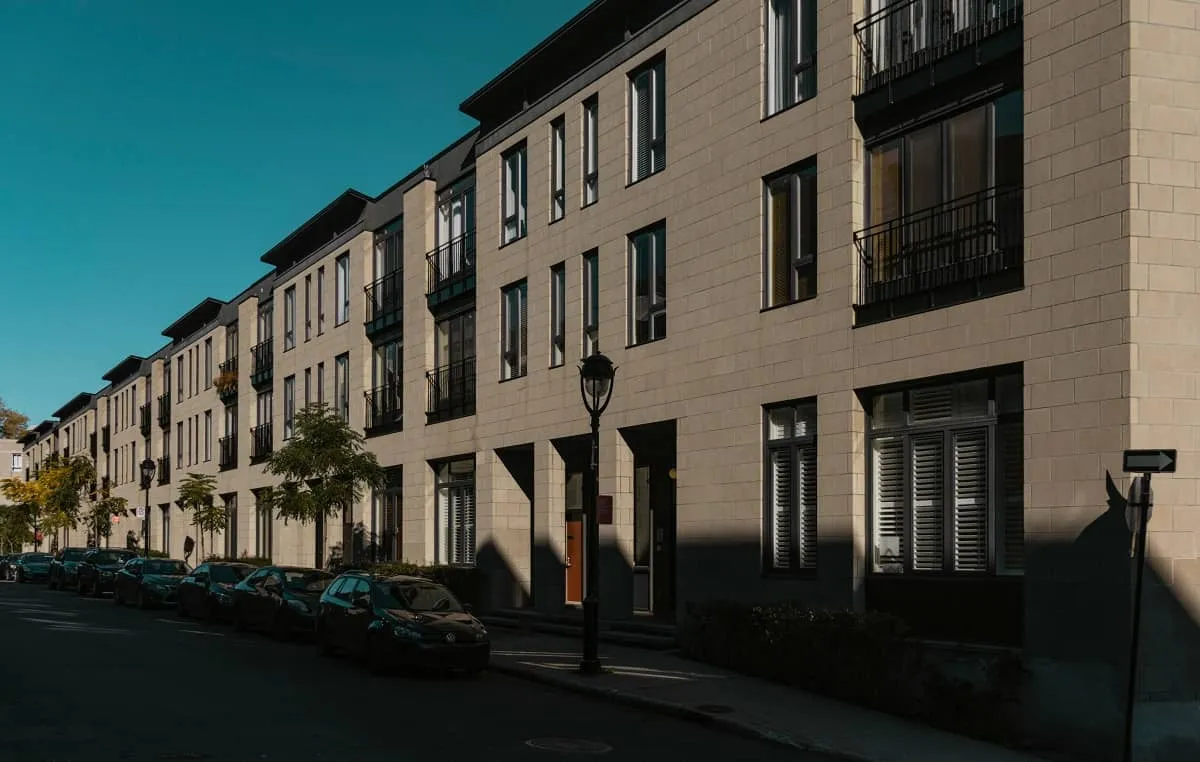
Objecting to Planning Applications for Flats Conversion
The trend for converting existing houses, offices, or commercial spaces into self-contained flats has grown significantly in the UK. While this may help to tackle the persistent housing shortage, these conversions often become a concern for neighbours, local residents, and community interest groups. Many are left searching for effective ways to raise a flat conversion planning objection UK with their local planning authority. If you are worried about an upcoming planning application to convert a property into flats in your area, this comprehensive guide will help you understand your rights, the planning process, and how to lodge a strong, well-founded objection.
Understanding Flats Conversion and Planning Policy
A flat conversion typically involves dividing a single property, such as a house, into multiple self-contained units for independent occupation. Under the UK planning system, such development is generally considered to require full planning permission. National and local government policy seeks to balance the need for additional housing with protection of local character, residential amenity, infrastructure, and environmental standards.
Every Local Planning Authority (LPA) will assess a flat conversion planning application against their own Local Plan policies, national guidelines, and any supplementary planning documents. Common considerations include:
- Impact on neighbourhood character and appearance
- Adequacy of parking and transport links
- Access to waste collection and outdoor amenities
- Density and overdevelopment
- Loss of family housing
- Effect on existing residents’ privacy and amenity
- Compliance with building regulations and space standards
Who Can Object and Why?
Anyone can make a planning objection, whether you are a neighbour, a resident in the locality, a business owner, or simply someone concerned about the area. For a flat conversion planning objection UK submission to be effective, it must refer to material planning considerations. Emotional objections (‘I just don’t want flats next door’) typically carry little weight in the decision process. Instead, focus on points grounded in planning rules, policies, or evidence.
You can object as an individual or through a collective response, such as a residents’ association. Each objection is considered individually, but a large number of objections on well-founded grounds may carry extra weight.
Common Grounds for Planning Objections to Flat Conversions
Here are the most common and effective reasons to lodge a planning objection to flat conversion:
- Loss of Privacy: Does the conversion overlook your property? Are there new windows or balconies with direct views into your home or garden?
- Noise and Disturbance: Will increased occupation cause more noise? Will new residents operate at hours that disrupt your daily life?
- Overdevelopment: Do the plans cram too many flats into a building, affecting the character of the street or the spacing between buildings?
- Parking and Traffic: Is there enough off-street parking? Will there be extra pressure for on-street parking and traffic congestion?
- Impact on Services and Infrastructure: Could increased population put strain on water, electricity, waste collection, local schools, or GP surgeries?
- Quality of Accommodation: Do flat sizes meet the minimum space standards? Is there adequate daylight, ventilation, and amenity space?
- Alteration to Local Character: Will flat conversion change the established character or architectural style of the area?
- Negative Effect on Heritage Assets: If the building or area is listed or in a conservation area, will conversion harm historic value?
- Loss of Family Housing: Does the conversion reduce the supply of larger family properties, contrary to local needs and policies?
- Flood Risk and Drainage: Might more residents overload drainage or increase flood risk?
- Lack of Green/Open Space: Is there enough outdoor space per dwelling as per local standards?
It’s best to link objections directly to published local or national planning policies.
How to Find and Review Planning Applications
Local Planning Authorities are required to consult on all planning applications. You can find live applications and related documents (such as plans and design statements) on your council’s planning portal. Applications must be publicised usually through letters to immediate neighbours, site notices, or local press.
Reading the application thoroughly is essential. Commonly, documents include:
- Application forms
- Schemes/plans/elevations
- Statements (Design and Access, Planning, Heritage, etc.)
- Consultant reports (parking, noise, ecology, etc.)
It’s wise to check each document for inconsistencies or points of concern relevant to your property or neighbourhood.
How to Submit a Flat Conversion Planning Objection UK
To submit your objection:
- Note the closing date for objections, usually 21 days from notification.
- Submit via the Council’s Online Portal: Most councils facilitate online comments. You may need to register/login.
- Email or Letter: If not online, objections can often be sent to the planning department email or postal address. Quote the application reference number.
- State “Object” Clearly: Open your submission by clearly stating that you object to the specific application and reference.
- Refer to Planning Policies: Cite local planning policies or national guidance (such as the NPPF) backing your concerns.
- Provide Evidence: If possible, include photos or data (such as parking surveys or local congestion evidence).
- Avoid Personal Attacks: Focus on the proposal, not the applicant or their motives.
- Ask for an Acknowledgement: Request confirmation that your objection has been received.
Tips for Writing a Strong Objection Letter
Well-written, factual objections are more likely to influence case officers. Consider these tips:
- Be concise but thorough: Stick to facts, cite policies, and be specific.
- Use polite and objective language: Keep your objection civil and rational.
- Engage with neighbours: Strength is found in numbers, especially if concerns are shared across the community.
- Include photographs: Visual evidence can powerfully illustrate your concerns.
- Request conditions: If outright refusal is unlikely, suggest mitigation (such as boundary screening, restricted parking permits, or sound insulation).
Typical Council Processes and What Happens Next
Once the consultation period closes, a planning officer will consider all material objections, policy considerations, and technical responses (such as from highways, environmental health, or heritage officers). The officer will prepare a report recommending approval or refusal:
- Delegated Decision: Most applications are decided by council officers unless there are significant objections or local councillor intervention.
- Planning Committee: If the case is contentious, it may go before a public planning committee where you (or nominated parties) may speak for or against the proposal.
All decisions are published, usually with a summary of key objections and how they were addressed.
Your Rights After the Decision: Appeals and Legal Challenges
If the council grants permission, objectors do not have the right to appeal the decision (only the applicant can). However, if due process was not followed (for example, residents were not properly consulted or planning rules ignored), you can seek a Judicial Review within six weeks. This is a complex process requiring specialist legal advice.
If permission is refused, the applicant may appeal, and you will be notified, with a right to make further comments for the inspector to consider.
Navigating Flat Conversion Planning Objections Successfully
Flat conversions can help provide additional housing and make better use of existing buildings, but they can also raise important planning concerns relating to overdevelopment, parking pressure, noise, privacy, and the overall character of an area. Understanding how to approach a flat conversion planning objection UK process effectively is essential for residents, developers, and property owners involved in planning applications or responding to local concerns.
Whether you are objecting to a proposed flats conversion or preparing an application for submission, careful consideration of local planning policies, residential amenity, design standards, and infrastructure impacts is crucial. Well-structured, evidence-based planning arguments supported by relevant policy references can significantly improve the strength of your position and help navigate the planning process more effectively.
Contact Charrette Law today to discuss your flats conversion project or planning concerns with our experienced planning team. We can assist with planning objections, planning applications, appeals, enforcement matters, and tailored planning strategies to help you move your project forward with confidence.