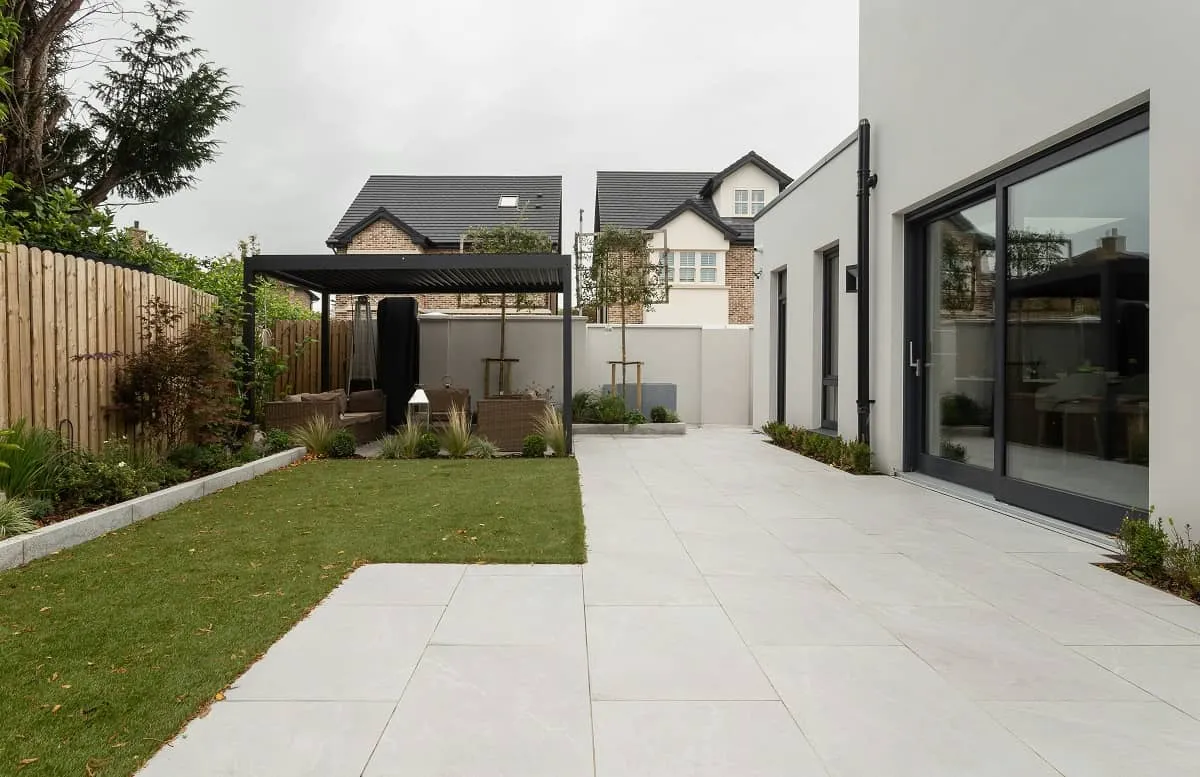
Introduction to Rear Extension Planning Objection in the UK
Rear extensions are a common way for homeowners to create more living space and add value to their property in the UK. However, achieving approval for a rear extension is not always straightforward. The process frequently involves planning applications, neighbour consultations, and potentially planning objections. Understanding the rear extension planning objection UK process is essential for homeowners, architects, and anyone considering or encountering an objection to a proposed extension. In this article, we will explore the nuances of planning objections related to rear extensions, the grounds on which they can be made, how local planning authorities assess them, and the best ways to respond if you encounter challenges in your project.
Understanding Rear Extensions and the Planning Process
A rear extension refers to construction work that adds to the back of a house, typically to expand kitchens, living rooms, or create extra bedrooms. In the UK, certain small extensions can proceed under permitted development rights (PD), avoiding the need for formal planning permission. However, larger extensions, or those in conservation areas, listed buildings, or with other particular circumstances, will require planning permission from the local council.
When a planning application is submitted, neighbours, local stakeholders, and sometimes wider community groups have the right to be notified and to submit their views; these are known as planning objections. The applicant, the homeowner seeking to extend, must then work with these objections as part of the overall planning process.
Common Grounds for Rear Extension Planning Objection in the UK
Planning objections for rear extensions can arise from a variety of concerns. These are considered in relation to local planning policies and the national planning framework. The most common grounds for objection include:
- Loss of Privacy: Neighbours often object if they believe a rear extension will overlook their property, garden, or main living spaces, leading to a loss of privacy.
- Loss of Light (Overshadowing): Concerns that the extension will block sunlight into adjacent properties or gardens, leading to a darker environment.
- Overbearing or Overdominant Impact: If the extension is large, it may appear out of scale with neighbouring properties or create a sense of enclosure.
- Loss of Outlook/View: While not a strong planning ground, sometimes neighbours object because a prized view is lost due to the new structure.
- Impact on Character and Appearance: If the rear extension does not match the neighbourhood’s general style or uses unsuitable materials, objections may be raised.
- Impact on Trees and Landscaping: Extensions that involve the removal of established trees or landscaping can provoke objections, particularly if protected trees or greenery are affected.
- Impacts to Conservation or Listed Buildings: Where the property or nearby properties are listed or are in conservation areas, stricter guidelines can make objections more likely and more powerful.
- Noise, Disturbance, or Use Issues: Extensions used for business purposes, rental, or as separate dwellings (even annexes) may raise concerns about increased noise, parking, or activity.
- Drainage and Flooding: Large rear extensions, particularly in flood-prone areas, may exacerbate local drainage issues and prompt objections.
The Planning Objection Process Explained
Once a planning application for a rear extension is submitted, the local authority will consult nearby property owners or other interested parties by sending letters, placing site notices, or via online planning portals. This triggers a formal consultation period, usually 21 days, during which objections or comments can be made.
Planning officers will consider all objections, but only those based on material planning considerations will influence their decision. These are issues that relate directly to planning policy and public interest, rather than purely personal preferences or loss of value (which are not planning grounds).
Material vs Non-Material Planning Considerations
It’s important to distinguish between material considerations (which can affect the outcome of an application) and non-material considerations (which generally cannot). For example:
- Material Considerations: Loss of daylight, overlooking/privacy, traffic/parking, design, previous planning decisions, building regulations, effects on listed buildings or conservation areas, flood risk, etc.
- Non-Material Considerations: Loss of private views, effect on property value, competition between businesses, morals or “not-in-my-backyard” objections, personal disputes between neighbours.
Applicants must ensure that their proposals address material considerations, while objectors should focus their comments on these grounds to have a meaningful impact.
Neighbour Consultation and Community Involvement
Neighbours and residents play a crucial role in the planning process for rear extensions in the UK. The law gives adjacent occupiers the right to be informed and to object if they have concerns. Normally, the local authority sends a letter to those directly affected (such as adjacent and rear neighbours). Sometimes, wider community groups or parish councils may also be involved, especially for larger developments.
When objecting, neighbours need to present their concerns succinctly, factually, and based on planning policy. Emotional arguments, while understandable, will not usually influence planning officers. Evidence, such as photos or diagrams, can support clear objections.
How Local Planning Authorities Assess Objections
Planning officers assess objections against national and local planning policy frameworks. They act impartially and are guided by legal and policy considerations, not personal preferences. Key assessment steps include:
- Site Visit: Officers may visit the property and neighbouring areas to assess the potential impact of the extension first-hand.
- Policy Review: Each objection is compared against the relevant local and national planning policies.
- Materiality Assessment: Only objections based on material considerations are taken into account, and their weight depends on evidence and policy context.
- Balancing Interests: Officers must balance the applicant’s right to develop their property with the rights of neighbours to enjoy their own property unencumbered by negative impacts.
In cases of significant or numerous objections, the planning application may be referred to the planning committee for a public hearing and decision by elected members.
Permitted Development and the Neighbour Consultation Scheme
In England, certain rear extensions can be built without full planning permission under the permitted development (PD) rules. However, larger single-storey rear extensions (for example, up to 6 metres for semi-detached or terraced houses, and up to 8 metres for detached houses) are subject to an additional process known as the Neighbour Consultation Scheme.
Under this scheme, neighbours are notified and given 21 days to object. Local authorities will only refuse the proposal if objections are received and they believe the extension will have an unacceptable impact on the amenity of neighbouring properties. If no objections are received or the local authority considers the impact acceptable, the developer can proceed.
Responding to a Planning Objection as an Applicant
If you have submitted a proposal for a rear extension and receive notice of objections, you should respond calmly and consider the following steps:
- Review Objections: Read all objections carefully and identify which arguments are material to planning policy.
- Amend Proposals: Consider whether minor alterations (such as relocating windows, reducing the depth or height of the extension, or using privacy screens) can mitigate concerns.
- Submit a Response: You may submit a written response to the planning officer, explaining how you have addressed objections or why the proposal is policy-compliant.
- Engage in Dialogue: In some cases, informal discussions with neighbours can resolve misunderstandings and lead to agreement or withdrawal of objections.
- Gather Evidence: Use drawings, sunlight and daylight studies, and photographs to support your case and show minimal impact on neighbours.
Demonstrating a willingness to cooperate and adapt can improve your chances of approval, even in the face of strong objections.
Managing Rear Extension Planning Objections Effectively
Understanding rear extension planning objection UK issues is essential for both homeowners and neighbours, as rear extensions can significantly impact privacy, light, outlook, and the overall character of surrounding properties. Planning authorities assess these proposals carefully against both local and national policy, ensuring that any potential harm is properly weighed against the benefits of development.
Any objections raised must be based on material planning considerations and supported by clear evidence and policy references. Equally, applicants should take a proactive approach by addressing potential concerns early, adapting designs where necessary, and engaging constructively with neighbours and the local authority throughout the process.
Contact Charrette Law today to discuss your rear extension planning concerns with our experienced team. We can assist with planning applications, objections, appeals, and tailored planning advice to help you navigate the process with confidence and achieve the best possible outcome for your property.