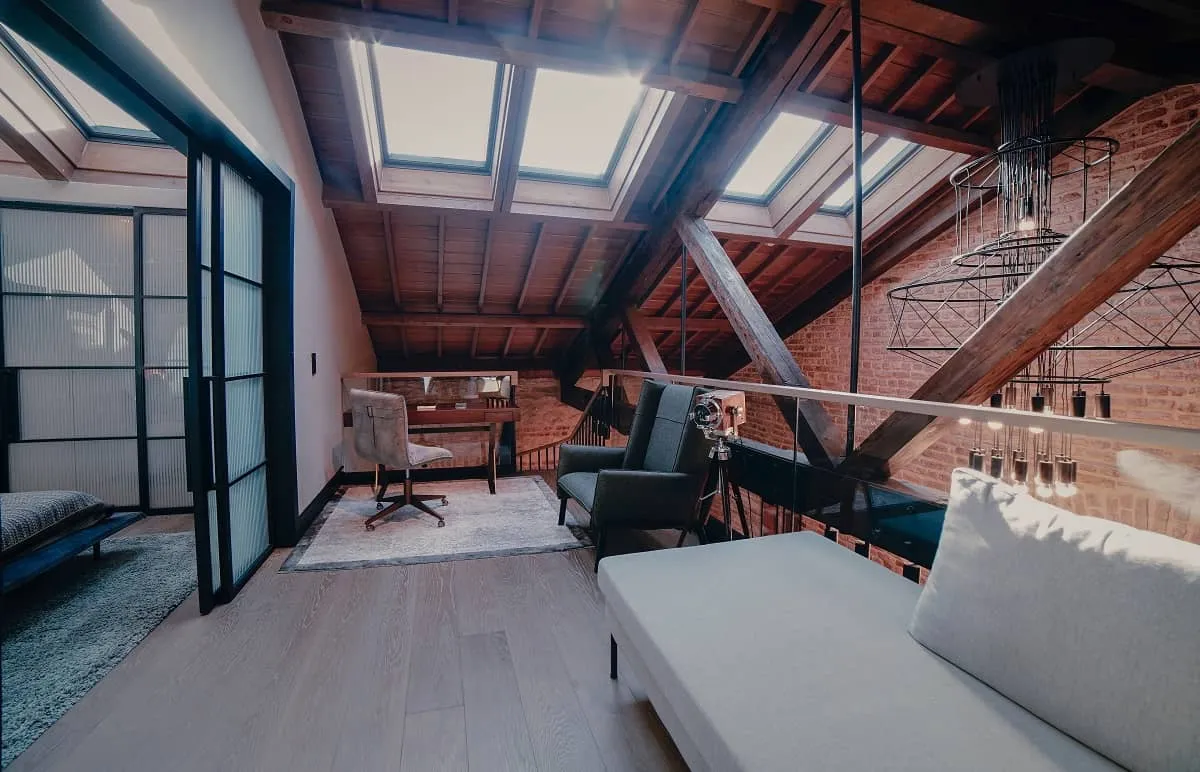
Introduction: Understanding Loft Conversion Planning Objections in the UK
Loft conversions have long been one of the most popular ways to expand living space in UK homes, offering homeowners the benefit of utilising underused attic space while enhancing property value. However, before embarking on such a project, it’s crucial to understand the planning process, especially regarding potential objections that may be raised by neighbours, the council, or other stakeholders. The subject of loft conversion planning objection UK is complex, and navigating it properly can make the difference between a smooth transformation and a stressful ordeal.
Why Planning Permission May Be Required
Many loft conversions can be completed under permitted development rights, meaning formal planning permission is not always necessary. However, specific rules and exceptions exist. For instance, if you live in a conservation area, a listed building, or plan to exceed certain size limits, you will be required to submit a planning application. When planning permission is needed, it opens up the process to public consultation, meaning neighbours or local authorities can object on various grounds.
Common Grounds for Loft Conversion Planning Objections
When a loft conversion planning application goes public, there are several reasons why objections may be raised. Understanding these common grounds can help prepare a robust application and avoid potential setbacks.
- Loss of Privacy: The creation of new dormer windows or roof lights may result in overlooking neighbouring properties, causing objections based on reduced privacy.
- Loss of Light: Neighbours may argue that a proposed loft conversion will block natural light to their homes or gardens, sometimes referred to as “loss of amenity.”
- Out of Character: Councils and neighbours may object if the proposed design doesn’t match the local street scene or architectural style, especially in conservation areas.
- Overdevelopment: Concerns may be raised that the loft conversion results in an overly bulky or dominant extension relative to the original house or its surroundings.
- Noisy Construction or Use: Potential noise from additional occupancy or during the construction phase can also be cited as a reason for objection.
- Parking and Service Pressure: An increase in occupants due to a loft conversion may be seen as putting undue pressure on local parking or amenities.
The Planning Process: Where and When Objections Arise
Once a loft conversion requires planning permission, the application is submitted to the local authority. At this point, it usually goes through a public notification period, often 21 days where neighbours and other interested parties can review the plans and lodge formal objections. Objections must be submitted in writing, stating specific reasons linked to legitimate planning considerations (as listed above), rather than personal preferences or unrelated issues.
The council’s planning officer will assess the application and all objections, referencing local planning policies, design guidelines, and national standards such as the National Planning Policy Framework (NPPF). While objections are given due consideration, only those supported by valid planning grounds can weigh against the proposal.
Neighbour Consultations: Best Practice for Homeowners
One of the most effective ways to prevent or mitigate loft conversion planning objection UK issues is early and open communication with neighbours. Consulting with neighbours before submitting your plans can help address minor concerns or dispel misconceptions. It may even lead to design adjustments that prevent a formal objection altogether. This approach is particularly valuable in closely spaced terraced or semi-detached properties, where changes can directly impact neighbours.
Clearly communicating your intentions, providing drawings or visualisations, and being open to reasonable compromises demonstrates goodwill and can help maintain good neighbourly relations while supporting your planning application.
Council Considerations: How Objections Are Assessed
Local planning authorities evaluate objections in the context of both national and local planning policies. Key considerations include:
- Design Standards: Councils ensure the proposed conversion aligns with design and character constraints, particularly in conservation areas.
- Amenity Impact: The effect on neighbours’ light, privacy, and general living conditions is closely scrutinised.
- Permitted Rights: If the proposal exceeds permitted development limits, special scrutiny may apply.
- Property Context: Each case considers the specific nature of the building and its setting.
While neighbour objections are taken seriously, the council’s decision ultimately rests on planning law and guidance, meaning only significant or substantiated impacts can lead to refusal.
Conservation Areas and Listed Buildings: Special Challenges
If your property is within a conservation area or is a listed building, planning controls are much tighter. In these cases, councils are particularly sensitive to alterations that may damage the historic or architectural heritage of the area. Here, objections based on aesthetics and character are more likely to be upheld. Extra documentation, such as heritage statements or specialist design reports, may be needed to support an application.
In such settings, even small changes like the size or style of dormer windows can generate substantive objections and potentially result in refusal if not carefully justified.
Permitted Development Rights: Limitations and Their Role in Objections
Many UK homeowners assume their loft conversion will qualify under permitted development rights, avoiding the planning process. However, these rights have strict criteria limitations including overall volume increase, the position of dormers, materials used, and the retention of the house’s original roofline at the front, among others.
If your plans fall outside of permitted development, a planning application becomes necessary, meaning neighbours and the public can formally object. It’s crucial to check whether your specific property, location, and proposal fall within these rights or not.
Dealing with Loft Conversion Planning Objection UK Situations: Strategies
When objections arise, homeowners and their architects or designers can respond in various ways. Here are some key steps:
- Engage in Dialogue: Communicate with objectors to clarify your intentions or explore modifications to the design that may address their concerns.
- Offer Compromises: Adjust window placements, reduce the size of the dormer, or alter materials to harmonise with surrounding properties.
- Gather Supporting Evidence: Provide sun path diagrams, privacy screens, or visual impact assessments to demonstrate limited impact.
- Professional Representation: Involving a planning consultant or architect increases the chance of a successful outcome, especially in contentious cases.
If the council sides with the objections and refuses permission, you have the right to appeal the decision. However, this extends the process significantly and requires careful preparation and, often, professional input.
Unreasonable Objections: What The Council Ignores
Not all concerns presented by neighbours or objectors are considered valid in the planning process. The following categories are generally ignored:
- Loss of Property Value: Lower resale value is not a material planning consideration.
- Personal Dislike: Objections based on neighbourly disputes or personality clashes have no weight.
- Private Views: Blocking a cherished view (unless associated with light or privacy) is not a planning issue.
- Construction Disruption: Temporary inconvenience from works is usually not grounds for refusal.
Being aware of these distinctions helps homeowners focus on addressing legitimate, policy-backed issues rather than getting sidetracked by emotional or irrelevant objections.
Navigating Loft Conversion Planning Objections Successfully
Loft conversions can provide valuable additional living space and enhance the functionality of a property, but they can also lead to planning concerns relating to privacy, overlooking, design, and impact on neighbouring homes. Understanding how to address loft conversion planning objection UK issues early in the process is essential for improving the chances of a successful planning outcome and avoiding unnecessary disputes.
Whether you are preparing a loft conversion application or responding to objections raised by neighbours or the local authority, careful planning and strong policy-based arguments are key. From assessing permitted development rights and local planning policies to addressing concerns around design, residential amenity, and conservation area restrictions, a well-prepared approach can make a significant difference throughout the planning process.
Contact Charrette Law today to discuss your loft conversion project with our experienced planning team. We can assist with planning applications, objections, appeals, permitted development advice, and tailored planning strategies to help you move your project forward with confidence.