
Introduction: Understanding Urban Design Planning in the UK
Urban design planning in the UK is a multidisciplinary approach concerned with the arrangement, appearance, and functionality of towns, cities, and public spaces. The urban design process brings together architecture, landscape architecture, city planning, civil engineering, and municipal development. The aim is to create environments that are not merely functional but also sustainable, attractive, inclusive, and resilient. Over time, urban design in the UK has evolved, responding to social, economic, environmental, and political changes. With a rising population, the effects of climate change, and significant economic opportunities centred in urban areas, the importance of thoughtful urban design planning UK has never been more apparent.
The Foundations of Urban Design Planning in the UK
The UK’s history is woven into its urban landscape from medieval streets to Georgian squares, Victorian boulevards, post-war social housing, and contemporary eco-quarters. Urban design principles in the UK seek to preserve historical identity while promoting innovation. Key foundational concepts guide all urban design planning UK projects:
- Contextual Responsiveness: New developments must respect the heritage, character, and context of their location.
- Connectivity: Interlinking streets, transport nodes, and public spaces to facilitate easy movement for all modes of transport.
- Mixed-Use Planning: Creating places where residential, commercial, and recreational facilities coexist.
- Human Scale Design: Prioritising the needs of people over vehicles in the built environment.
- Sustainability: Incorporating energy-efficient designs, climate-adapted materials, and nature-based solutions.
These principles are underscored by national and local policies, such as the National Planning Policy Framework (NPPF) and guidance by the Design Council, influencing every stage of development from concept to completion.
Historical Context: Evolution of Urban Design in the UK
Urban design in the UK reflects its changing socioeconomic paradigm. The Industrial Revolution led to rapid urban expansion, resulting in overcrowded cities. The Garden City Movement of the early 20th century, pioneered by Ebenezer Howard, introduced holistic planning combining green spaces, residential areas, and workplaces. Post-war reconstruction faced the challenge of rebuilding bombed cities, delivering new towns and mass housing estates by leveraging modernist architectural ideologies.
From the late 20th century onwards, urban regeneration initiatives such as the transformation of the London Docklands emphasised economic revitalisation and place-making. In the 21st century, the focus has shifted towards sustainable growth, climate resilience, and social inclusion. Urban design planning in the UK now aims to create liveable cities that can adapt and thrive in the face of global challenges while preserving their unique histories.
Key Urban Design Principles in UK Planning
Effective urban design planning UK depends on a set of core principles, forged through decades of policy experience and professional practice. Each principle is vital for addressing the complex needs of contemporary British cities and towns.
1. Respect for Local Identity and Heritage
Retaining and enhancing local character is a critical consideration. Urban designers must understand the unique features architectural styles, cultural landmarks, street patterns, and natural assets that contribute to a community’s sense of place. Renovation projects are often paired with rigorous heritage assessments. Planners work closely with organisations such as Historic England to ensure that both conservation and innovation are achieved.
2. Connectivity and Permeability
Urban areas thrive when they are well-connected. Designing permeable street networks providing numerous routes for walking, cycling, and public transport reduces reliance on cars and encourages active lifestyles. Urban design planning UK emphasises walkability, proximity to local amenities, and safe, accessible routes. Developments like Oxford’s pedestrian-friendly city centre and Manchester’s tram-linked neighbourhoods exemplify this approach.
3. Mixed-Use and Diversity
A successful city is a multifunctional city. Mixed-use planning incorporates residential, commercial, and leisure spaces within proximity, fuelling vibrant communities and economic sustainability. Urban designers in the UK are tasked with creating districts where employment, homes, shopping, and recreation are interwoven, reducing travel distances and fostering social cohesion. Developments like King’s Cross in London highlight the benefits of mixed-use regeneration.
4. Public Realm and Green Infrastructure
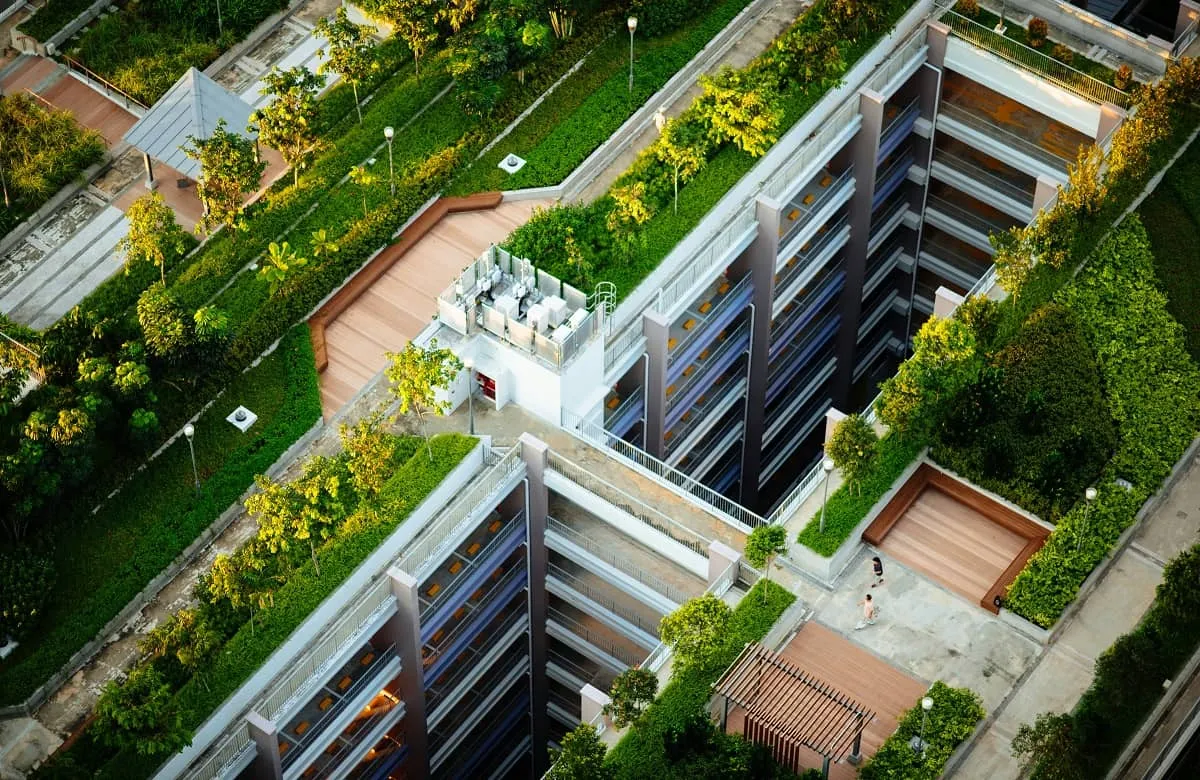
Quality public spaces are the heartbeat of urban life. Urban design planning UK prioritises parks, plazas, community gardens, and green corridors, acknowledging their benefits for health, recreation, and environmental resilience. The integration of SuDS (Sustainable Drainage Systems), tree planting, and open spaces helps cities combat flooding, heat islands, and air pollution. Examples include London’s Green Grid network and Sheffield’s Grey to Green initiative.
5. Sustainability and Climate Response
Climate change and ecological emergency are key drivers in modern UK urban design. Planners strive for developments with low carbon footprints, energy efficient buildings, and on-site renewable energy. Adaptive reuse of buildings, circular economy approaches, and biodiversity enhancement are integral. Authorities often require Environmental Impact Assessments (EIA) and promote Planning for Climate Resilience through Local Plans and supplementary guidance.
6. Inclusivity and Social Equity
Equitable design ensures cities are for everyone regardless of age, ability, or background. Urban designers focus on accessibility (step-free environments, tactile paving), affordable housing quotas, safe public spaces, and community consultation. Urban design planning UK must provide opportunities for social interaction, education, and employment, recognising the role of place-making in tackling inequality.
7. Human Scale and Livability
Human-scale environments respond to how people experience and interact with their surroundings. This involves designing streets, buildings, and spaces in proportion to human walking speeds and sightlines, avoiding imposing or alienating forms. Outdoor seating, street trees, lighting, and active frontages (e.g., cafes, shops) contribute to a welcoming atmosphere. The popularity of ‘Home Zones’ and ‘Living Streets’ illustrates the growing priority placed on liveable, pedestrian-oriented public realms.
8. Adaptability and Resilience
Urban areas must be resilient, capable of adapting to shifting social, economic, and climatic conditions. Urban design planning UK seeks robust structures, flexible land use policies, and diverse local economies. Spaces that can be repurposed, such as community halls or adaptable retail units, enable neighbourhoods to respond to changing needs. The COVID-19 pandemic highlighted the importance of flexible public space and pandemic-proof design.
Policy Frameworks Shaping Urban Design Planning UK
The UK planning system is underpinned by a suite of policy documents, legislation, and guidance at the national, devolved, and local levels. These frameworks direct and facilitate appropriate urban development.
- National Planning Policy Framework (NPPF): The central document guiding planning decisions in England, encompassing design quality, housing, environment, and sustainability.
- National Design Guide: Outlines ten characteristics of well-designed places, influencing layout, materials, and community engagement.
- Building for a Healthy Life: A tool supporting well-designed homes and neighbourhoods, building on the legacy of ‘Building for Life’ standards.
- Manual for Streets: Offers best practice for designing residential streets that prioritise people and place over vehicle movements.
- Local and Neighbourhood Plans: Councils and local communities set out policies tailored to their unique spatial, demographic, and environmental priorities.
Additionally, devolved governments in Scotland, Wales, and Northern Ireland have their own variations of planning policy, while regional city mayors lead area-specific strategies such as the Greater Manchester Spatial Framework.
Delivering Sustainable and Well-Designed Urban Places in the UK
Urban design planning in the UK plays a vital role in shaping places that are not only functional, but also inclusive, resilient, and reflective of their local character. By integrating key principles such as connectivity, sustainability, and human-scale design, planners and developers can create environments that enhance quality of life while supporting long-term growth and environmental responsibility. Thoughtful urban design ensures that developments respond effectively to both present needs and future challenges.
As cities and towns continue to evolve, the importance of balancing heritage with innovation becomes increasingly clear. Strong policy frameworks, collaborative design processes, and meaningful community engagement all contribute to successful outcomes, ensuring that developments are well-integrated, accessible, and beneficial to a wide range of users. Ultimately, good urban design is about creating places where people can live, work, and thrive.
Contact Charrette Law today to ensure your development aligns with UK planning policies and delivers high-quality, sustainable urban design solutions.
 Cover](https://charrettelaw.co.uk/wp-content/uploads/2026/07/v5-13142-section-0-hero_text-300x169.webp)
