
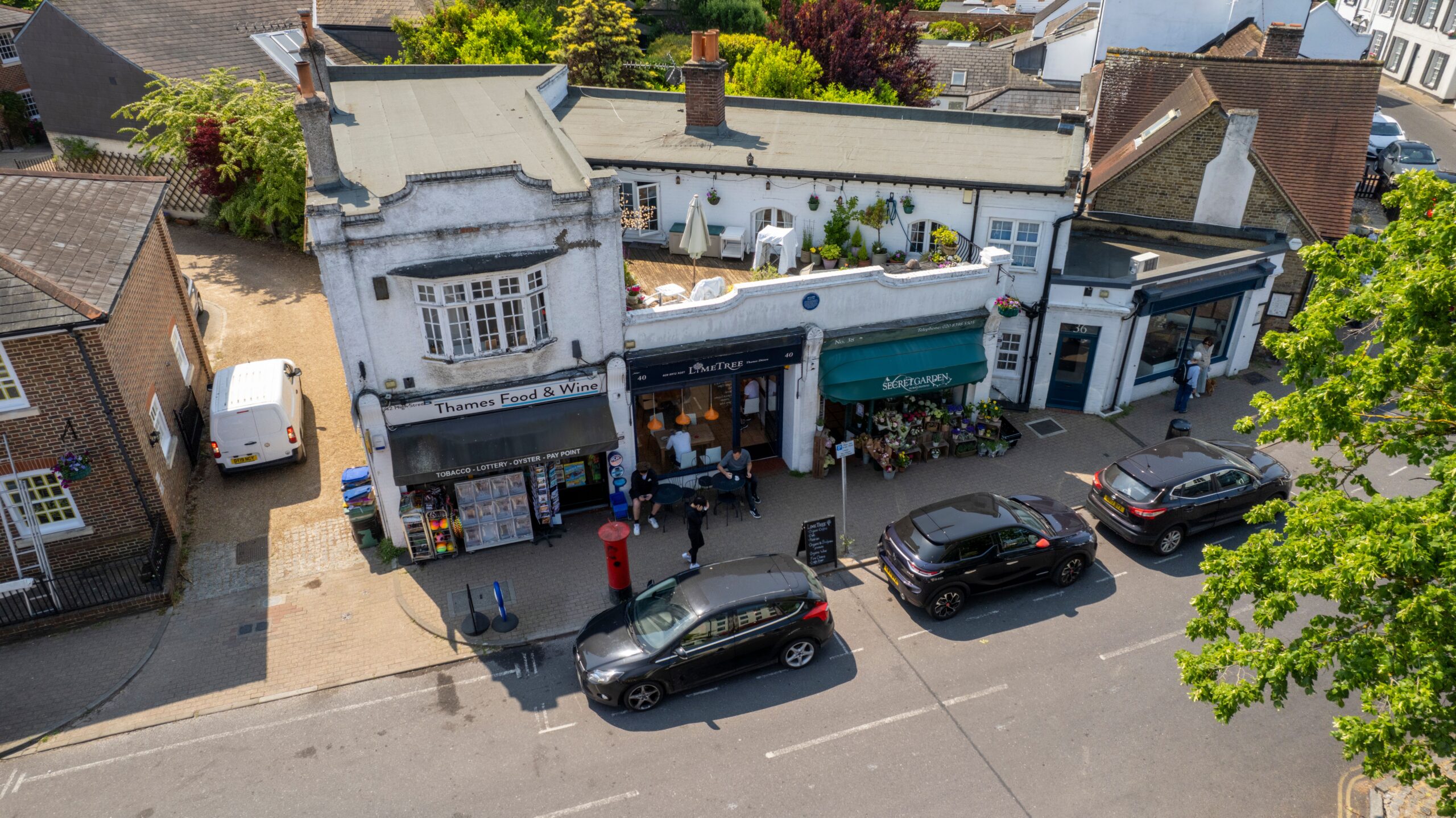
Real Estate Solicitors Slough: Commercial Property Legal Advice
Commercial property transactions in Slough can involve substantial financial commitments and complex legal considerations. Whether you are buying business premises, negotiating a commercial lease, acquiring development land or disposing of an investment property, the legal structure of the transaction can have significant consequences for your business and investment.
Real estate solicitors in Slough advise businesses, landlords, investors and developers on the legal issues affecting commercial property transactions, including acquisitions, disposals, leases, development, planning matters, title restrictions and property disputes.
Slough’s commercial property landscape includes offices, industrial and logistics premises, retail space, mixed-use developments, employment sites and land with development potential. The borough’s planning framework is also evolving, with Slough Borough Council currently preparing a new Local Plan for 2026–2046.
For anyone purchasing, leasing or developing commercial property, understanding the legal and planning position before committing to a transaction can help identify potential risks early.
What Do Commercial Property Solicitors in Slough Do?
Commercial property solicitors deal with the legal aspects of property transactions involving businesses, investors, landlords and developers.
Depending on the transaction, a commercial property solicitor may assist with:
- Commercial property acquisitions
- Commercial property sales
- Commercial conveyancing
- Commercial leases
- Lease renewals
- Lease assignments
- Landlord and tenant matters
- Property refinancing
- Development land acquisitions
- Property development agreements
- Mixed-use property transactions
- Planning-related property matters
- Restrictive covenants
- Easements and rights of way
- Property disputes
- Section 106 planning obligations
The legal requirements vary according to the property, transaction structure and intended use.
A business taking a lease of an office, for example, will face different legal considerations from a developer purchasing land for a mixed-use scheme.
Why Commercial Property Legal Advice Matters in Slough
Commercial property decisions can affect a business for years.
A transaction may appear commercially attractive but become less viable after discovering:
- Restrictions in the title
- Rights benefiting neighbouring land
- Restrictive covenants
- Unfavourable lease provisions
- Planning restrictions
- Existing occupational rights
- Environmental concerns
- Highways or access issues
- Development obligations
- Restrictions on the proposed use
Legal due diligence is therefore an important part of commercial property decision-making.
The objective is not simply to complete the transaction. It is to understand what rights are being acquired, what obligations are being accepted and whether the property can realistically be used for its intended purpose.
Buying Commercial Property in Slough
Buying commercial property can be a major investment for an owner-occupier, landlord or investor.
Before exchange of contracts, legal due diligence may cover:
- HM Land Registry title
- Property boundaries
- Restrictive covenants
- Easements
- Rights of way
- Existing leases
- Occupational rights
- Planning history
- Planning permissions
- Planning conditions
- Search results
- Environmental information
- Access arrangements
- Development restrictions
The proposed use of the property should also be considered.
For example, acquiring a building for offices, retail, warehousing or another commercial use may require investigation of the existing lawful use and whether the intended use requires additional planning consent.
Commercial Property Searches and Due Diligence
Commercial property searches can reveal information that is not immediately apparent from a viewing or sales particulars.
Depending on the transaction, due diligence may include:
Local Authority Information
This can provide information concerning planning matters, building control, highways and other matters affecting the property.
Environmental Searches
Environmental information may identify potential contamination, flooding or other environmental risks.
Title Investigation
The title should be reviewed to establish ownership, restrictions, rights and obligations affecting the property.
Planning Investigation
The existing and proposed use should be considered alongside planning permissions, conditions and permitted development rights.
Lease Review
Where a property is occupied, the terms of the lease can affect both the property’s value and the buyer’s rights following completion.
For development acquisitions, this investigation becomes particularly important because legal restrictions can affect whether a proposed scheme is achievable.
Commercial Leases in Slough
A commercial lease creates legally binding obligations between landlord and tenant.
Before entering into a lease, a tenant should understand provisions dealing with matters such as:
- Rent
- Rent reviews
- Lease term
- Break clauses
- Service charges
- Repairs
- Insurance
- Permitted use
- Assignment
- Subletting
- Alterations
- Dilapidations
- Renewal rights
The commercial consequences of these clauses can be significant.
For example, a tenant may negotiate a break clause because the business expects its premises requirements to change. A repairing obligation may also expose a tenant to substantial costs during or at the end of the lease.
A solicitor can review the proposed lease and identify provisions that may need negotiation before the tenant becomes legally committed.
Commercial Landlords in Slough
Landlords also require legal advice when granting and managing commercial leases.
Legal services may include:
- Preparing or reviewing leases
- Lease renewals
- Assignments
- Subletting
- Rent reviews
- Enforcement of lease obligations
- Dilapidations
- Lease termination
- Landlord and tenant disputes
A carefully drafted commercial lease should reflect the commercial agreement while establishing clear rights and responsibilities for both parties.
Commercial Property Development in Slough
Property development can create additional legal issues because the developer must consider both the planning system and private property rights.
Before acquiring development land, it can be important to investigate:
- Title restrictions
- Restrictive covenants
- Easements
- Rights of way
- Access
- Existing planning permissions
- Planning conditions
- Planning obligations
- Infrastructure requirements
- Existing agreements
- Third-party rights
Charrette Law’s guidance on restrictive covenants in property development explains why a development proposal can face a private legal obstacle even where the planning position appears favourable.
Planning permission and private property rights should therefore be considered separately during acquisition and development due diligence.
Slough Planning Considerations for Commercial Property
Planning is particularly important when acquiring commercial property for redevelopment, change of use or expansion.
Slough Borough Council’s current planning framework includes its existing development plan while the council prepares a new Slough Local Plan 2026–2046. The new plan is intended to guide how land is developed across the borough over the next 20 years, including locations for businesses, housing and infrastructure.
The council also publishes developer guides for residential and commercial schemes. These guides set out planning requirements and processes for major applications and many other forms of development.
For a commercial property buyer, this means the planning position should be considered alongside the property’s legal title and intended use.
Permitted Development and Article 4 in Slough
Permitted development rights allow certain forms of development to proceed without a full planning application.
However, the rights applicable to commercial property can differ from those applicable to residential property. Slough Borough Council confirms that permitted development rights can also be removed or restricted by an Article 4 Direction.
Slough has an Article 4 Direction concerning the stationing of caravans and moveable structures, which applies across the borough.
More importantly for commercial property transactions, buyers should establish whether any applicable planning direction or restriction affects the proposed use or development of the property rather than assuming that permitted development rights apply.
Slough’s Simplified Planning Zone
Slough also has an adopted Simplified Planning Zone (SPZ) scheme for 2024–2034.
The council states that the SPZ provides a framework under which specified development can proceed without an individual planning application where the development complies with the scheme’s conditions.
The current scheme includes specified uses such as:
- Data centres
- Warehouses
- Research and development centres
- Ancillary retail
- Employment uses
Development that falls outside the SPZ still needs to proceed through the normal planning process.
For businesses and developers considering property within the relevant area, checking whether the SPZ applies could therefore form part of the initial planning due diligence.
Section 106 Agreements and Commercial Development
Commercial and mixed-use developments can sometimes involve planning obligations under Section 106 of the Town and Country Planning Act 1990.
Slough Borough Council explains that Section 106 agreements are legally binding agreements connected with development and can regulate the future development of land or address impacts created by a scheme. Obligations can include financial contributions and non-financial requirements such as affordable housing, public open space or environmental measures.
For developers and investors, these obligations can have direct implications for project costs and viability.
Charrette Law’s Section 106 planning agreements guidance explains how these legally binding planning obligations can affect development projects.
Commercial-to-Residential Conversion in Slough
Converting commercial premises into residential accommodation can involve significant planning and legal considerations.
Before purchasing a property for conversion, investors should investigate:
- The existing lawful use.
- The proposed residential use.
- Whether permitted development rights apply.
- Whether any Article 4 Direction affects the property.
- The planning history.
- The property’s title.
- Restrictive covenants.
- Lease restrictions.
- Access and rights affecting the property.
- Any planning obligations affecting the site.
The fact that a property is currently used commercially does not automatically mean that it can be converted to residential accommodation without additional consent.
Restrictive Covenants Affecting Commercial Property
Restrictive covenants can affect both commercial property and development land.
A covenant could potentially restrict:
- Particular commercial uses
- Construction of additional buildings
- Subdivision
- Development
- Alterations
- Certain activities
- Changes in use
A crucial point for commercial developers is that planning permission does not automatically override a restrictive covenant.
Planning permission and private property restrictions operate separately. A development may be acceptable from a planning perspective but still face a private legal restriction affecting the land.
This is why restrictive covenant checks should form part of development due diligence before significant funds are committed.
Easements and Rights of Way
Easements can create rights affecting commercial land.
They may relate to:
- Access
- Rights of way
- Parking
- Drainage
- Utilities
- Services
- Maintenance access
These rights can have practical implications for a commercial property.
For example, a development site may rely on access across neighbouring land. If the legal right of access is inadequate or restricted, the proposed development could face significant difficulties.
Charrette Law’s guidance on easements and land law explains why these rights should be investigated when acquiring or developing property.
Commercial Property Acquisition and Finance
Commercial property purchases are often financed through mortgages, development finance or other funding arrangements.
The legal work may include:
- Reviewing the purchase contract
- Investigating title
- Reviewing lender requirements
- Dealing with security documentation
- Registering relevant interests
- Coordinating completion
The financing structure should be considered alongside the property transaction because lender requirements can affect the timing and documentation required for completion.
Buying a Commercial Property as an Investment
Investors purchasing commercial property should consider more than the headline purchase price.
Important issues can include:
- Existing rental income
- Lease terms
- Tenant obligations
- Break clauses
- Rent review provisions
- Service charges
- Repair liabilities
- Dilapidations
- Planning position
- Development potential
- Restrictive covenants
- Rights affecting the property
The lease can be particularly important because the value and income profile of an investment property may depend heavily on the rights and obligations created by the occupational arrangements.
Selling Commercial Property in Slough
A commercial property sale involves legal work to prepare the contract, investigate title and respond to the buyer’s enquiries.
The seller may need to provide information concerning:
- Ownership
- Title restrictions
- Existing leases
- Planning permissions
- Building works
- Guarantees
- Environmental matters
- Rights affecting the property
- Service charge arrangements
- Management information
Where the property is occupied, the terms of the existing lease can become an important part of the buyer’s due diligence.
Commercial Property Disputes
Commercial property disputes can arise between:
- Landlords and tenants
- Buyers and sellers
- Developers and landowners
- Neighbouring owners
- Freeholders and leaseholders
- Property investors and occupiers
Common issues include:
- Breach of lease
- Rent disputes
- Dilapidations
- Service charge disputes
- Boundary disputes
- Rights of way
- Restrictive covenants
- Unauthorised alterations
- Property damage
- Development-related disputes
Early legal advice can help establish the contractual and property rights involved and determine whether negotiation, alternative dispute resolution or litigation should be considered.
The Commercial Property Transaction Process
Although every transaction is different, a commercial property acquisition will commonly involve several stages.
1. Initial Legal Review
The solicitor considers the proposed transaction, property and intended use.
2. Title and Property Due Diligence
The title, searches, leases, planning information and other relevant documents are reviewed.
3. Enquiries
Questions are raised with the seller to clarify matters identified during due diligence.
4. Contract Negotiation
The contract is reviewed and negotiated before exchange.
5. Finance and Completion Arrangements
Where finance is involved, lender requirements and security documents are coordinated.
6. Exchange
Once the parties are satisfied with the contract and conditions, contracts can be exchanged.
7. Completion
The purchase price is transferred and the transaction completes in accordance with the contract.
8. Post-Completion
Registration and other post-completion legal requirements are dealt with.
Choosing Real Estate Solicitors in Slough
Choosing the right solicitor can be particularly important for commercial transactions because the legal work may involve several connected areas.
When comparing real estate solicitors in Slough, consider:
Commercial Property Experience
Look for experience relevant to your particular transaction, whether that is an acquisition, disposal, lease, development or property dispute.
Planning Awareness
If you are buying property for redevelopment or change of use, consider whether the legal team understands the relationship between planning matters and private property rights.
Development Experience
Developers should consider whether the solicitor has experience with restrictive covenants, easements, development agreements and planning obligations.
Transparent Fees
Ask for a clear explanation of legal fees and likely disbursements.
Communication
Commercial transactions can involve multiple parties, documents and deadlines. Clear communication is essential.
Early Involvement
Obtaining legal advice before committing to a purchase can provide an opportunity to identify problems during due diligence rather than after completion.
Frequently Asked Questions
What does a commercial property solicitor do?
A commercial property solicitor advises on the legal aspects of buying, selling, leasing, financing and developing commercial property. They can also advise on property rights, title restrictions and disputes.
Do I need a solicitor to buy commercial property in Slough?
Professional legal advice is strongly advisable for a commercial acquisition because the transaction can involve title investigation, searches, contracts, leases, planning matters, finance and other legal risks.
Can I change the use of commercial property in Slough?
It depends on the existing lawful use, proposed use and applicable planning rules. Permitted development rights may apply in some circumstances, while planning permission may be required in others. Article 4 Directions can also affect permitted development rights.
Does Slough have an Article 4 Direction?
Yes. Slough has Article 4 controls, including a borough-wide direction concerning caravans and moveable structures. Other planning restrictions should also be checked according to the property and proposed development.
What is the Simplified Planning Zone in Slough?
Slough’s adopted 2024–2034 Simplified Planning Zone provides conditions under which specified development, including certain data centres, warehouses, research and development centres and employment uses, can proceed without an individual planning application where the scheme complies with the SPZ.
What is a Section 106 agreement?
A Section 106 agreement is a legally binding planning obligation connected with development. It can require financial or non-financial contributions or impose obligations relating to the development of land.
Can planning permission override a restrictive covenant?
Generally, no. Planning permission and restrictive covenants are separate matters. A restrictive covenant can continue to affect land even where planning permission has been granted.
Can a solicitor help with commercial-to-residential conversion?
A property solicitor can advise on legal issues affecting the property, including title restrictions, leases, covenants and development agreements. Planning advice may also be required to establish whether the proposed conversion is permitted.
Can a solicitor review a commercial lease?
Yes. A commercial property solicitor can review and negotiate lease provisions concerning rent, repairs, service charges, break clauses, assignment, permitted use and other tenant or landlord obligations.
Conclusion: Real Estate Solicitors Slough
Commercial property transactions in Slough require careful consideration of both the legal and planning position.
Whether you are acquiring an office, warehouse, retail unit, development site or mixed-use property, due diligence can help establish whether the property is suitable for your intended use and identify restrictions that could affect its value or development potential.
The current planning environment makes this particularly relevant. Slough is preparing a new Local Plan for 2026–2046, while its existing planning framework, Article 4 controls, developer guidance and Simplified Planning Zone continue to influence development decisions.
Real estate solicitors in Slough can assist businesses, landlords, investors and developers with commercial property acquisitions, disposals, leases, development matters, planning-related property issues and disputes.
Obtaining legal advice before committing to a commercial property transaction can help identify title, contractual and development issues at an earlier stage.
Further Reading
Explore related Charrette Law guidance:
- Commercial Planning Permission
- Section 106 Planning Agreements
- Development Agreements
- Restrictive Covenants in Property Development
- Easements in Land Law
Discuss Your Commercial Property Matter With Charrette Law
Are you buying, selling, leasing or developing commercial property in Slough?
Whether you are acquiring business premises, negotiating a commercial lease, purchasing development land or dealing with a property dispute, obtaining legal advice at an early stage can help you understand the risks and obligations affecting the transaction.
Contact Charrette Law to discuss your commercial property requirements and the legal issues affecting your transaction.



