
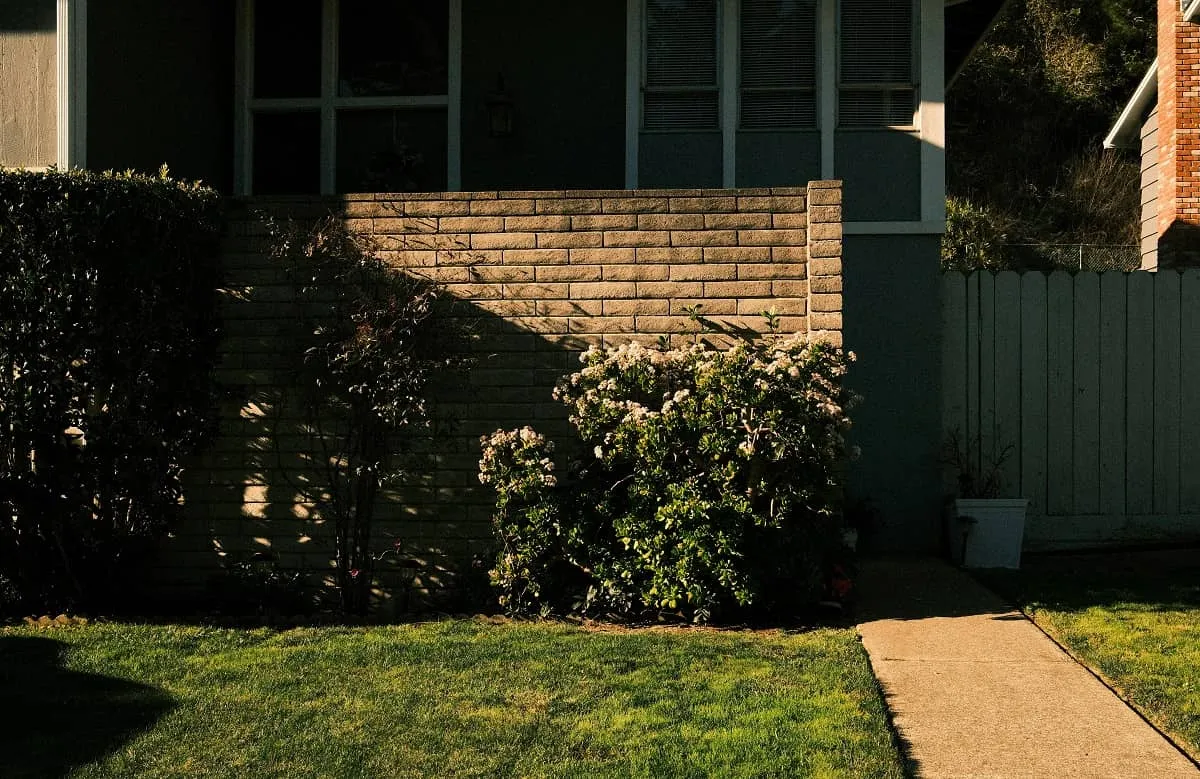
Privacy and Overlooking Planning UK
Privacy is a paramount concern for homeowners and developers in the United Kingdom, especially when it comes to residential alterations or new property developments. The UK planning system recognises the importance of privacy for current and future occupiers of a property, as well as for neighbours. One of the most common issues that arises in the planning process is overlooking the loss of privacy suffered when a new window, balcony, decking, or building comes too close or offers views into neighbouring homes or gardens. In this comprehensive article, we will explore the complexities of privacy overlooking planning UK regulations, guidance, and practical tips for homeowners, developers, architects, and anyone involved in property development. Our aim is to provide a thorough understanding of planning rules associated with privacy and overlooking, why local authorities treat them seriously, and the strategies available to manage and avoid disputes.
Understanding Overlooking: What is it and Why Does it Matter?
Overlooking is a planning term used to describe situations where new buildings, extensions, or windows directly face or look into neighbouring properties. This can result in the loss of private enjoyment of gardens, patios, bedrooms, or living spaces. The principle underpinning privacy overlooking planning UK is simple: no one should unreasonably lose privacy because of a neighbour’s development. Issues often arise in towns and cities, where properties are closer together and space is at a premium, but concerns can affect rural settings as well.
The perceived invasion of privacy can create strong local opposition to planning applications and can undermine neighbourly relations. As such, planning authorities in the UK, such as local councils, take overlooking very seriously during the development control process. If you are proposing a new extension, loft conversion, or housing scheme, addressing privacy and overlooking as part of your design is not only good practice but often essential to a positive planning outcome.
Legal and Policy Framework for Privacy in UK Planning
Central to the privacy overlooking planning UK debate are planning policies and guidance issued by central government, notably the National Planning Policy Framework (NPPF), and, more relevantly, by local planning authorities. The NPPF recognises the importance of “good design” and the need to create “places with a high standard of amenity for existing and future users.” However, the detailed rules are usually set out in local development plans and supplementary planning documents (SPDs).
Most local authorities provide design guides, residential extensions policies, and SPDs that offer criteria for acceptable distances between windows, the appropriate positioning of balconies and terraces, and advice about boundary treatments to ensure privacy. These documents define what is considered to be “acceptable” or “unacceptable” overlooking in the context of their locality. While specifics may vary rural areas may have more generous spacing standards than dense urban environments, the overall goal is the same: to maintain reasonable levels of privacy.
Typical Privacy and Overlooking Standards in UK Planning Guidance
Most UK councils have adopted general spacing standards for privacy and overlooking. These standards, while not statutory law, are nonetheless influential factors in decision-making. Common criteria include:
- Minimum Window-to-Window Distances: Many councils require a minimum of 21 metres between facing principal windows in habitable rooms (such as living rooms and bedrooms) of directly opposing houses. This “21-metre rule” is designed to prevent direct overlooking and loss of privacy.
- Side-to-Flank Distances: For side windows or where windows do not directly face each other, this often reduces to 12 metres as a minimum.
- Balconies and Juliet Balconies: The placement of elevated decks and balconies is heavily scrutinised due to their potential for overlooking rear gardens.
- Obscure Glazing: For non-habitable rooms (e.g., bathrooms or stairwells), windows may be allowed if they are fitted with obscure glass and/or non-opening below a certain height.
- Boundary Treatment: Recommendations on the height and specification of fences, hedges, or planting to enhance screening and maintain privacy.
Most local policy documents acknowledge that strict adherence to these distances is not always possible or desirable, particularly in conservation areas or where developments respect historic patterns. Nevertheless, they are a useful benchmark.
Planning Application Process: How is Overlooking Assessed?
When a planning application is submitted, the case officer will assess potential impacts on neighbours’ privacy as part of the overall consideration. Key aspects include:
- Site Visits and Plans: Officers routinely conduct site visits and will assess submitted plans for potential overlooking or loss of privacy.
- Consultation with Neighbours: Neighbours are notified of planning applications and have the opportunity to comment. Concerns over loss of privacy are among the most common objections raised.
- Balancing Test: Planning authorities weigh applicants’ development rights against the reasonable expectation neighbours have for privacy. They consider whether conditions could mitigate harm (for example, requiring obscure glazing or repositioning a window).
- Context Matters: The context of the area, established overlooking, urban/rural settings, and local design character are all relevant.
If officers decide overlooking would result in an unreasonable loss of privacy and that mitigation is not possible or practical, they may recommend refusal or request amendments.
Common Overlooking Scenarios in the UK
To fully grasp the implications of overlooking privacy and planning UK-style, consider some frequent scenarios:
- Rear Extensions: Single-storey and two-storey rear extensions often present a risk of first-floor windows or Juliet balconies overlooking rear gardens.
- Loft Conversions with Dormer Windows: Raising the roof, inserting new dormers, or roof lights facing shared boundaries are commonly scrutinised.
- Side Extensions and Corner Plots: These can bring new openings closer to the side gardens of neighbouring properties.
- Apartment Blocks and Infill Developments: Higher-density developments must demonstrate that flats do not overlook one another or existing homes.
- New Build Housing Schemes: The layout of new roads and houses should seek to “design out” excessive overlooking, especially to rear gardens.
How to Mitigate Overlooking Concerns: Design Solutions
The best strategy to address privacy and overlooking planning in the UK is to be proactive and sensitive in the design stages. Consider the following approaches:
- Obscure Glazing: For non-habitable rooms or where windows must be placed close to a boundary, using obscure (frosted) glazing reduces direct views.
- High-Level Windows: Installing windows higher up on the wall (so the cill is at least 1.7m above floor level) allows in light but avoids direct lines of sight.
- Orientation and Angling of Windows: Repositioning or angling proposed openings to face away from neighbouring gardens or sensitive areas.
- Screening: Planting trees/hedges or building fences to create a visual barrier between windows and neighbouring space.
- Setbacks: Recessing balconies or extensions from the boundary to create distance and prevent direct views.
- Floor Layout: Designing layouts so that bathrooms and stairs (rather than bedrooms or lounges) face closest to neighbours.
- Careful Siting of Balconies: Juliet balconies are less intrusive than full ones; where balconies are necessary, they should be carefully sited to face away from neighbours.
Thoughtful design can often achieve the owner’s needs while maintaining respectable privacy standards for all parties.
Permitted Development Rights and Privacy
Some home alterations and extensions can be carried out without planning permission thanks to national Permitted Development (PD) rights. However, these rights do not allow loss of privacy to be ignored. For certain works—such as loft conversions with rear dormers PD rights come with limitations. For example:
- Dormer windows in the roof slope facing the highway will require planning permission.
- Any side-facing window inserted on an upper floor must be obscure-glazed and non-opening below 1.7m from floor level.
- Balconies, verandas, and raised platforms are generally not allowed under PD rights.
If neighbours complain about a development carried out under PD rights causing overlooking or intruding on privacy, the local authority can investigate and may use enforcement powers if needed. Always check with your local authority before commencing works.
Managing Privacy and Overlooking in UK Planning
Privacy and overlooking are key considerations within the UK planning system, ensuring that residential developments maintain acceptable living conditions for both existing and future occupants. Local planning authorities place significant weight on protecting private amenity, particularly where new windows, balconies, extensions, or upper-floor openings may result in direct views into neighbouring properties or gardens. These principles are guided by national policy and reinforced through local planning standards and design guidance.
Through careful assessment and thoughtful design, most overlooked issues can be effectively managed at the planning stage. Measures such as window positioning, obscure glazing, setback designs, screening, and internal layout adjustments all play an important role in reducing potential privacy impacts. Planning officers will assess each proposal on its individual merits, taking into account context, spacing, and the overall design approach.
Contact Charrette Law today to discuss your privacy and overlooking planning requirements. Our team can provide clear guidance on design solutions and planning strategy to ensure your proposal meets policy standards and achieves a successful planning outcome.