
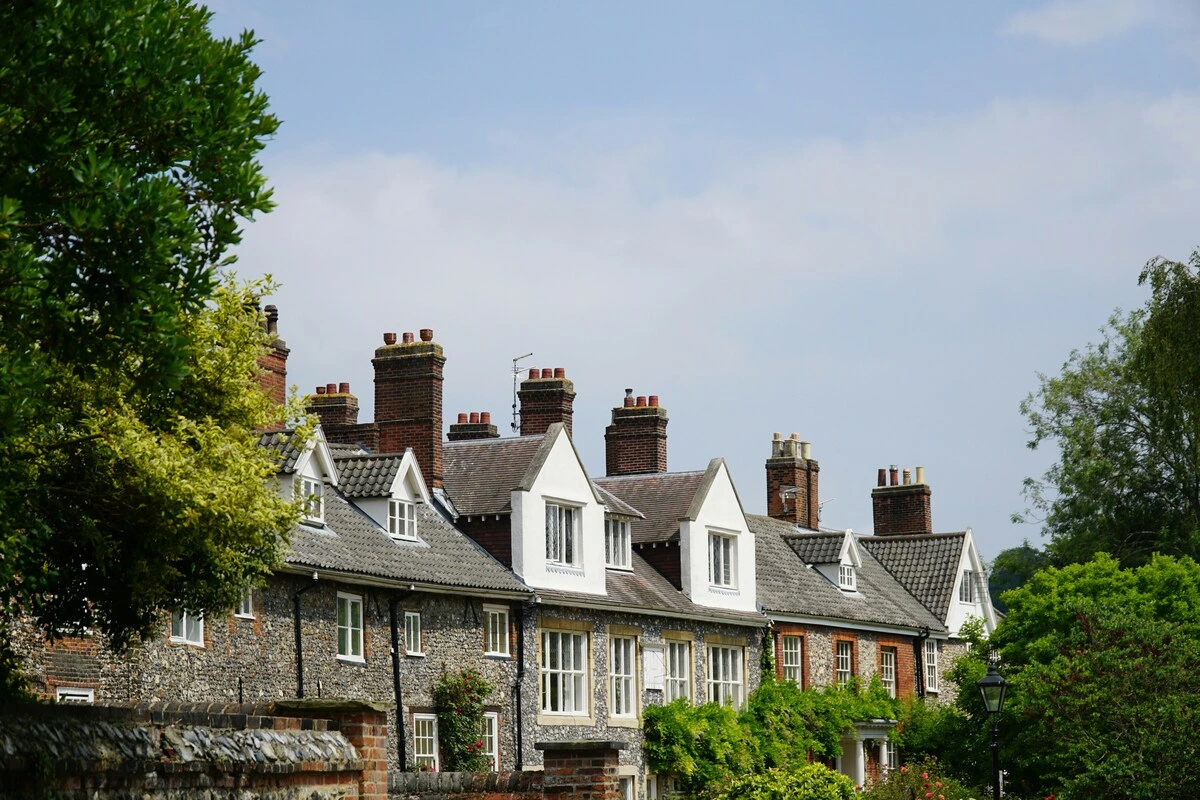
Planning Services Norwich | Planning Law Advice
Navigating the intricacies of planning services Norwich presents offers can often be a daunting task, particularly for individuals, developers, and businesses unfamiliar with the nuances of planning law and local authority requirements. With the growing demand for sustainable development, urban regeneration, and infrastructure improvement throughout East Anglia, understanding the breadth and depth of planning services in Norwich is more crucial than ever. Whether you are seeking to secure planning permission for a new project, require guidance on planning regulations, or are involved in a contentious development case, it pays to be well-informed and supported by experienced planning professionals.
Understanding Planning Services in Norwich
Norwich, a city renowned for its rich history, architectural heritage and continuous expansion, offers a varied landscape for planning and development. Planning services Norwich encompasses a wide spectrum of activities, from minor residential alterations to large-scale commercial construction. These services involve not only the technical aspects of drafting and submitting applications, but also the strategic guidance necessary to ensure compliance with planning law and local policy.
The landscape in Norwich is shaped by the policies of Norwich City Council, as well as regional and national planning frameworks. Navigating these can be complex, requiring a clear understanding of the application process, relevant documentation, and procedures such as consultations, neighbour notifications, and environmental impact assessments.
Professional planning services in Norwich can help clients with:
- Pre-application planning advice
- Planning permission applications
- Listed building and conservation area consents
- Appeals against planning refusals
- Enforcement actions and lawful development certificates
- Local plan representations and neighbourhood planning
- Section 106 agreements and planning obligations
- Environmental, design and access statements
The Planning Application Process in Norwich
Whether you are a homeowner seeking to complete a house extension, a commercial investor looking to redevelop a city centre site, or a rural landowner exploring agricultural uses, the planning application process can appear overwhelming. Effective planning services Norwich offers are designed to make this journey clearer and less stressful.
The typical stages in a Norwich planning application include:
- Pre-application Consultation: Seeking early guidance allows applicants to identify potential hurdles, gauge the likelihood of success, and understand community and design considerations.
- Preparation of Documentation: This phase involves gathering site plans, drawings, supporting statements, environmental reports, and any other documents required by Norwich City Council or relevant authorities.
- Submission of Application: Once collated, the application is validated by the council, which then commences formal consultation with statutory consultees, neighbours, and other stakeholders.
- Consideration and Determination: Planning officers assess the proposal against local and national policies, taking representations and recommendations into account.
- Decision: Permission may be granted, refused, or granted with conditions. In the case of refusal, there is a statutory right of appeal.
Key Considerations for Successful Planning Outcomes
Securing planning permission in Norwich is rarely assured from the outset. There are numerous factors to weigh when embarking on any planning application. Knowledgeable planning specialists can anticipate issues and propose solutions tailored to the Norwich context.
Among the most important issues to address are:
- Compliance with Local Policy: Norwich City Council’s Local Plan and detailed neighbourhood policies steer development. Understanding these directs how to approach your application and informs design and use decisions.
- Heritage and Conservation: Norwich boasts over 1,500 listed buildings and numerous conservation areas. Applications affecting such heritage assets require careful management and often, detailed supporting documents.
- Environmental Impact: From flood risk to ecological assessments, environmental considerations are central to planning decisions.
- Access and Highways: Proposals need to demonstrate safe and sustainable access, parking, and transport links, working closely with Norfolk County Council where necessary.
- Neighbouring Amenity: Ensuring the privacy, light, outlook, and amenity of nearby residents are protected is a recurring issue in Norwich planning applications.
- Public Consultation: Engaging meaningfully with stakeholders and the community can build support and reduce chances of objection or delay.
Types of Planning Services in Norwich
Norwich is served by a variety of experienced planning professionals, offering tailored support across all development sectors. When considering planning services Norwich offers, it is useful to understand the range available:
- Residential Planning Services: Transforming or extending homes, creating additional dwellings, or converting buildings requires experienced guidance to ensure compliance and optimise success.
- Commercial Planning Services: Offices, retail units, hospitality developments, and mixed-use schemes all bring unique challenges, from access to waste, signage, and licensing.
- Heritage and Listed Buildings Advice: Conversion, extension, or restoration of historic properties comes with distinct considerations around conservation and design.
- Rural and Agricultural Planning: From agricultural barns to change of use, diversification, and farm shops, Norwich’s rural surroundings demand sector-specific expertise.
- Strategic Land Promotion: Identifying and promoting sites for allocation in the Local Plan or neighbourhood plans can unlock significant development value.
- Planning Appeals and Enforcement Support: Responding to refused applications or enforcement notices with strong technical and legal arguments increases the chance of a favourable outcome.
Pre-Application Planning Advice: The Critical First Step
One of the most valuable aspects of planning services Norwich developers, homeowners, and investors can access is pre-application advice. This stage allows you to test the waters, seeking the informed view of planning professionals and the local authority before investing heavily in full applications or detailed plans.
Advantages of securing pre-application guidance include:
- Saving time and costs by identifying showstoppers early
- Refining scheme design to anticipate objections or conditions
- Improving the chance of consent by addressing concerns upfront
- Clarifying documentation and technical requirements
- Building rapport with council officers and key stakeholders
Most seasoned planning advisers in Norwich will recommend pre-application engagement as best practice for any substantial project.
Submitting a Planning Application in Norwich
Submitting a robust planning application is central to the success of any development project. The requirements will vary depending on the type of development and its location, whether inside a conservation area or within the city’s distinctive suburbs and rural fringe.
A typical submission may include:
- Location plan and site layout drawings
- Elevations and floorplans
- Design and access statement
- Heritage statement (if applicable)
- Flood risk assessment and drainage strategy
- Planning statement and supporting rationale
- Ecological and arboricultural reports
- Transport statement or assessment
Ensuring all paperwork is correctly prepared and presented to Norwich City Council is crucial to preventing delay or outright rejection.
Appealing a Planning Decision
Unfortunately, not all planning applications are successful on first attempt. Decisions to refuse permission can be based on a range of policy or technical grounds, sometimes even procedural faults. Luckily, the UK’s planning system provides for a statutory right of appeal.
Experienced planning services Norwich offers will often include:
- Analysing refusal reasons and strengths of your case
- Preparing comprehensive appeal documentation for the Planning Inspectorate
- Liaising with expert witnesses on design, heritage, highways, or environment
- Attendance at informal hearings, public inquiries, or site visits
- Negotiating with local authorities to settle out of appeal if appropriate
Appealing a Planning Decision
Unfortunately, not all planning applications are successful on first attempt. Decisions to refuse permission can be based on a range of policy or technical grounds, sometimes even procedural faults. Luckily, the UK’s planning system provides for a statutory right of appeal.
Experienced planning services Norwich offers will often include:
- Analysing refusal reasons and strengths of your case
- Preparing comprehensive appeal documentation for the Planning Inspectorate
- Liaising with expert witnesses on design, heritage, highways, or environment
- Attendance at informal hearings, public inquiries, or site visits
- Negotiating with local authorities to settle out of appeal if appropriate
Appealing a decision is a technical process that requires careful consideration of the original application, the reasons for refusal, relevant planning policies, and the evidence available to support the case. It is important to understand that an appeal is not simply an opportunity to resubmit the same proposal. A well-prepared appeal should directly address the issues identified by the local planning authority and present clear planning arguments supported by appropriate evidence.
Planning Enforcement and Compliance in Norwich
Planning enforcement can become a significant concern when development has been carried out without the necessary permission or where approved planning conditions have not been followed. Norwich property owners and developers may receive enforcement notices requiring them to remedy a breach or take specific action.
Professional planning advice can help establish whether a breach has actually occurred, assess the available options, and determine whether retrospective planning permission or a lawful development certificate may be appropriate. Where an enforcement notice has already been issued, specialist advice can also help with reviewing the notice, considering potential grounds of appeal, and preparing a suitable response.
Taking action at an early stage can be particularly important, as ignoring planning enforcement correspondence may lead to further legal and financial consequences.
Heritage and Conservation Planning in Norwich
Norwich’s historic character means that heritage considerations can play an important role in development proposals. Projects involving listed buildings, conservation areas or other heritage assets may require additional assessment and careful design.
Alterations to a listed building may require listed building consent in addition to planning permission, while development within a conservation area may be subject to additional restrictions and scrutiny. Proposals should therefore demonstrate an appropriate understanding of the significance of the heritage asset and explain how the development responds to its historic and architectural context.
Early specialist advice can help identify heritage constraints before significant resources are committed to a proposed scheme.
Why Professional Planning Advice Matters
Planning applications involve more than simply completing forms and submitting drawings. Each proposal must be considered within the context of national planning policy, local planning policies, site-specific constraints and the particular circumstances of the development.
Professional planning advice can provide a structured approach from the initial assessment of a site through to application, negotiation, appeal or enforcement. It can also help applicants identify potential obstacles before they become costly problems.
For homeowners, developers, investors and landowners, obtaining appropriate advice at the right stage can make it easier to understand planning requirements, prepare a well-supported proposal and respond effectively when issues arise.
Getting Planning Advice for Your Norwich Development
Whether you are planning a residential extension, considering a change of use, developing commercial premises, working with a listed building or dealing with a planning dispute, understanding the applicable planning framework is essential.
Norwich development projects can involve multiple considerations, from local planning policies and heritage constraints to highways, ecology, flood risk and neighbouring amenity. Professional guidance can help bring these requirements together and ensure that your planning strategy is based on the specific circumstances of your project.
Planning Support for Your Next Project
If you are considering a property development or facing a planning issue in Norwich, specialist advice can help you understand your options and navigate the planning process with greater confidence.
Charrette Law provides specialist planning and legal advice to homeowners, developers, businesses and property owners dealing with planning applications, development proposals, permitted development, planning appeals, enforcement matters and other complex planning issues.
Whether you need help assessing a development opportunity, preparing a planning application, responding to a refusal or dealing with an enforcement matter, our team can provide advice tailored to your circumstances.
Contact Charrette Law today to discuss your planning requirements in Norwich and find out how our specialist planning services can support your property or development project.



