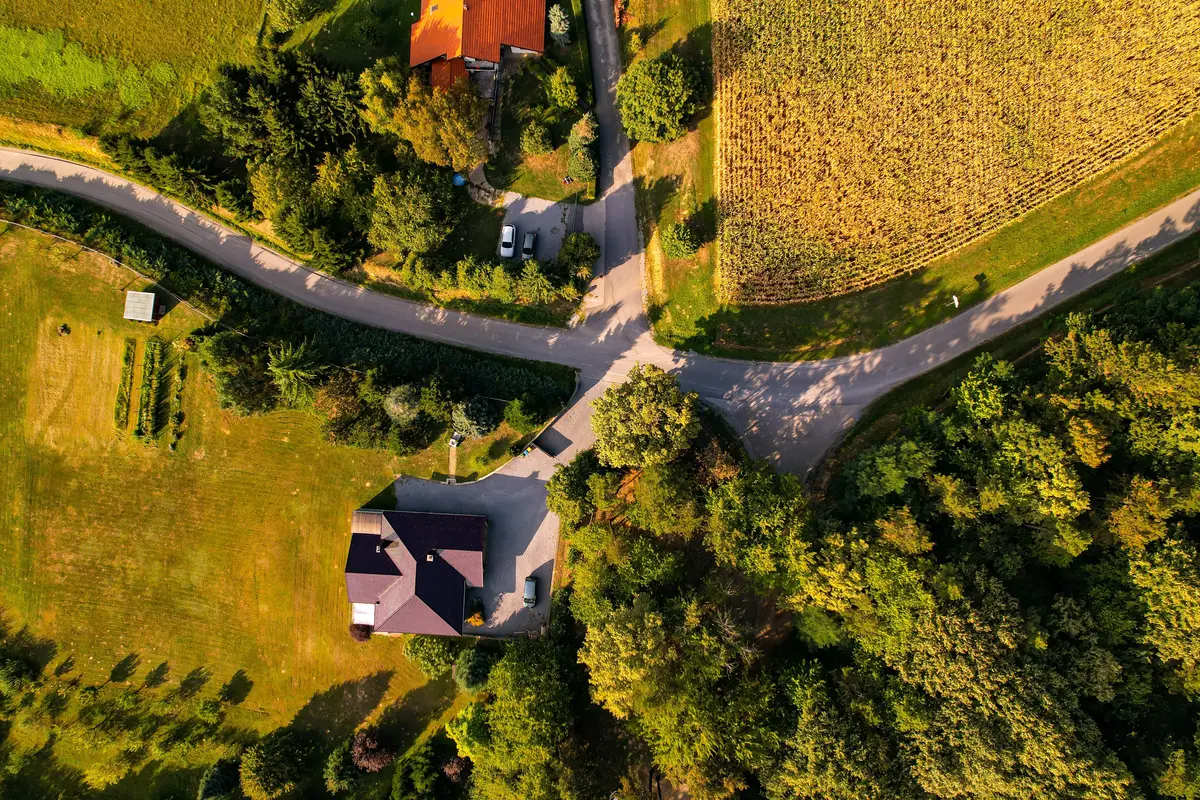
Agricultural land can provide opportunities for farming, rural businesses, diversification and development. However, owning agricultural land does not automatically give a landowner the right to build houses, establish a commercial business or change the use of the land.
Whether planning permission is required will depend on the proposed development, the existing lawful use of the land, applicable planning policies and any site-specific constraints.
Landowners may consider a wide range of projects, including agricultural buildings, farm diversification, holiday accommodation, equestrian facilities, rural businesses or residential development. Each proposal can raise different planning considerations.
Understanding the planning position before purchasing agricultural land or investing in a proposed project can help avoid delays, enforcement action and unnecessary costs.
At Charrette Law, we advise landowners, farmers and developers on planning and property matters, including agricultural land development, planning applications, changes of use, permitted development and rural development projects.
Do You Need Planning Permission on Agricultural Land?
In many cases, yes.
Agricultural land is generally used for the purposes of agriculture, and using the land for a materially different purpose may require planning permission.
Similarly, constructing new buildings or carrying out operational development may require planning permission unless a relevant permitted development right applies.
The fact that land is privately owned does not mean that it can automatically be developed.
The planning position will depend on factors including:
- The existing lawful use of the land
- The proposed use or development
- The scale of the project
- The location of the land
- Local planning policies
- Permitted development rights
- Green Belt designation
- Landscape and environmental constraints
- Access and highway issues
Each proposal should therefore be assessed according to its individual circumstances.
What Is Considered Agricultural Land?
Agricultural land is generally land used for agricultural purposes.
Agricultural activities can include:
- Growing crops
- Keeping livestock
- Dairy farming
- Horticulture
- Poultry farming
- Forestry-related activities in some circumstances
- Land used in connection with an agricultural business
However, not every activity that takes place in a rural location is automatically considered agricultural for planning purposes.
For example, using agricultural land for commercial storage, tourism, residential purposes or certain leisure activities may represent a material change of use.
The planning status of the land should therefore be established before a new activity begins.
Can You Build on Agricultural Land?
Potentially, but planning permission may be required.
The type of development proposed will be important.
Agricultural Buildings
Some buildings genuinely required for an agricultural operation may be capable of being developed under planning permission or, in certain circumstances, permitted development rights.
Examples can include:
- Storage buildings
- Livestock buildings
- Machinery storage
- Grain stores
- Agricultural workshops
The proposed building should have a genuine connection with the agricultural use of the land.
The Local Planning Authority may consider whether the building is reasonably necessary for the agricultural operation.
Residential Development
Building a house on agricultural land can be significantly more difficult.
Agricultural land does not automatically have residential development rights.
A proposal for a new dwelling will normally need to be assessed against local and national planning policies.
Relevant issues may include:
- Whether the site is within a settlement boundary
- Local housing policies
- The location of the land
- The need for agricultural accommodation
- Landscape impact
- Sustainability
- Access
- Flood risk
Planning permission may be more difficult to obtain where the land is located in open countryside or subject to restrictive planning designations.
Commercial Development
Using agricultural land for a commercial business may require planning permission.
Examples could include:
- Storage facilities
- Workshops
- Retail businesses
- Industrial uses
- Event venues
- Commercial yards
The Local Planning Authority will consider whether the proposed use is appropriate for the location and its potential impact on the surrounding area.
Changing the Use of Agricultural Land
One of the most common planning issues affecting agricultural land is a proposed change of use.
A material change from agriculture to another use may require planning permission.
Common Changes of Use
Examples may include changing agricultural land to:
- Residential use
- Commercial storage
- Equestrian use
- Holiday accommodation
- Glamping
- Campsites
- Outdoor recreation
- Event venues
- Car parking
- Tourism uses
Whether planning permission is required will depend on the nature, scale and intensity of the proposed activity.
Agricultural Land to Equestrian Use
The use of land for horses can create planning issues.
Keeping horses for agricultural purposes may be treated differently from using land for recreational riding or commercial equestrian activities.
For example, the planning position may differ depending on whether the land is used for:
- Grazing horses
- Riding
- Livery
- Stables
- Equestrian businesses
- Training facilities
A change from agricultural use to a recreational or commercial equestrian use may require planning permission.
Agricultural Land for Storage
Using agricultural land or buildings for commercial storage can also represent a material change of use.
The Local Planning Authority may consider:
- The nature of the items stored
- Vehicle movements
- Hours of operation
- Noise
- Visual impact
- The scale of the business
Simply using an agricultural building for storage does not necessarily mean that the use remains agricultural.
Agricultural Land and Permitted Development Rights
Permitted development rights can allow certain types of development or changes of use without requiring a full planning application.
Agricultural permitted development rights may provide opportunities for qualifying agricultural holdings.
However, these rights are subject to detailed conditions, limitations and exclusions.
Can You Rely on Permitted Development Rights?
Not automatically.
The relevant permitted development right must apply to the specific land, building and proposed development.
Factors that may affect the availability of permitted development rights include:
- The size of the agricultural unit
- The location of the land
- The nature of the proposed works
- Previous development
- Protected land designations
- Conditions attached to the land
- The date and history of the agricultural use
It is important not to assume that a development can proceed simply because it is described as agricultural.
Prior Approval Requirements
Some permitted development rights require prior approval from the Local Planning Authority.
Prior approval is not the same as a full planning application.
The authority may consider specific matters set out within the relevant permitted development provisions.
Depending on the development, these matters may include:
- Transport and highway impacts
- Noise
- Flood risk
- Contamination
- Design
- Siting
- External appearance
The correct planning route should be established before any work begins.
Can You Build a House on Agricultural Land?
Planning permission may be possible in certain circumstances, but agricultural land does not automatically benefit from a right to residential development.
A new dwelling in the countryside may need to satisfy specific planning policies.
Agricultural Worker Accommodation
One potential issue is whether there is an essential need for a worker to live permanently at or near the agricultural business.
The planning authority may consider:
- The nature of the agricultural enterprise
- Whether a full-time worker is required
- Whether the business is established
- Whether the proposed dwelling is reasonably necessary
- Whether alternative accommodation is available
These applications can require detailed evidence to support the claimed operational need.
Conversion of Agricultural Buildings
In some circumstances, existing agricultural buildings may be capable of conversion to residential or other uses under permitted development rights or through a planning application.
However, not every building will qualify.
Relevant considerations can include:
- The existing condition of the building
- The date and history of its use
- The nature of the proposed conversion
- Structural works required
- Location
- Environmental constraints
Early assessment is important before significant investment is made in a proposed conversion.
Agricultural Land and Farm Diversification
Many landowners seek to generate additional income by diversifying an agricultural business.
Farm diversification can involve a range of projects, but planning permission may still be required.
Common Farm Diversification Projects
Examples include:
- Farm shops
- Cafés
- Holiday accommodation
- Glamping
- Campsites
- Rural offices
- Workshops
- Educational activities
- Agritourism
- Outdoor recreation
A project may be connected with an existing farm business but still represent a material change of use.
The Local Planning Authority will consider the actual nature and intensity of the proposed activity.
What Will the Local Planning Authority Consider?
Where planning permission is required, the Local Planning Authority will assess the proposal against the development plan and other material planning considerations.
Landscape and Visual Impact
Agricultural land is often located within sensitive rural landscapes.
The authority may consider:
- The scale of the development
- Building design
- Materials
- Site layout
- Visual impact
- Effect on the character of the countryside
New buildings, lighting, parking and infrastructure can all affect the planning assessment.
Access and Highway Safety
A development may increase traffic or require new access arrangements.
Relevant considerations can include:
- Existing road access
- Visibility
- Vehicle movements
- Parking
- Pedestrian safety
- Road capacity
A rural location with limited highway access may create additional challenges.
Flood Risk and Drainage
Agricultural land can be affected by flood risk and drainage issues.
A proposed development may need to consider:
- Flood zones
- Surface water
- Drainage arrangements
- Watercourses
- The impact on neighbouring land
Technical assessments may be required depending on the location and nature of the development.
Ecology and Environmental Issues
Rural land may contain important habitats and protected species.
Planning considerations can include:
- Biodiversity
- Trees and hedgerows
- Protected habitats
- Wildlife
- Watercourses
- Landscape designations
Ecological surveys may be required before an application can be determined.
Agricultural Land in the Green Belt
Additional planning restrictions can apply where agricultural land is located within the Green Belt.
This does not necessarily mean that all development is prohibited.
However, proposals may need to demonstrate compliance with Green Belt policy.
Agricultural Buildings in the Green Belt
Certain agricultural buildings may be acceptable depending on the nature and purpose of the development.
However, each proposal will need to be assessed according to the relevant planning policies.
Change of Use in the Green Belt
A change of use may also raise Green Belt planning issues.
The impact on openness and the purpose of the proposed development may be relevant.
Professional advice can help identify potential policy issues before an application is submitted.
How Does the Planning Permission Process Work for Agricultural Land?
The process will depend on the proposed development, but there are several common stages.
Step 1: Assess the Planning Position
The first stage is to identify:
- The existing lawful use
- The proposed development
- Relevant planning policies
- Site constraints
- Available permitted development rights
This can help determine whether a planning application, prior approval application or another route may be appropriate.
Step 2: Review Site Constraints
Potential issues should be identified early.
These may include:
- Green Belt restrictions
- Flood risk
- Ecology
- Heritage
- Access
- Landscape impact
Early investigation can reduce the risk of unexpected problems later.
Step 3: Prepare Supporting Documents
Depending on the proposal, supporting documents may include:
- Planning statements
- Architectural drawings
- Design and access statements
- Transport assessments
- Ecological surveys
- Flood risk assessments
- Agricultural need assessments
The requirements will depend on the individual site.
Step 4: Submit the Application
Where planning permission is required, the application will be submitted to the relevant Local Planning Authority.
The authority may consult neighbours, statutory bodies and other interested parties.
Step 5: Review the Planning Decision
The authority may:
- Grant planning permission
- Grant permission subject to conditions
- Refuse permission
Planning conditions should be reviewed carefully before development begins.
What Happens if Planning Permission Is Refused?
A refusal does not necessarily mean that the proposed project cannot proceed.
The appropriate next step will depend on the reasons for refusal.
Amend the Proposal
It may be possible to revise the design, scale or location of the development to address planning concerns.
Provide Additional Information
A refusal or objection may arise because the Local Planning Authority considers that insufficient information has been provided.
Additional technical evidence may help address certain issues.
Submit a Planning Appeal
Where a statutory right of appeal exists, an applicant may be able to challenge the decision through the planning appeal process.
Professional advice can help determine the most appropriate strategy.
How Charrette Law Can Help With Planning Permission on Agricultural Land
Agricultural land development can involve complex planning and property issues.
At Charrette Law, we advise farmers, landowners and developers on matters affecting rural land and development projects.
Planning Applications
We can provide guidance on planning applications and development proposals.
Agricultural and Rural Development
We advise on planning issues affecting agricultural land, farm diversification and rural development.
Permitted Development and Prior Approval
We can assist with matters involving permitted development rights and prior approval requirements.
Property Rights and Development
We can advise on easements, rights of way, restrictive covenants and other property issues affecting development.
Get Expert Advice on Planning Permission for Agricultural Land
Agricultural land can offer opportunities for farming, diversification and development, but ownership does not automatically create a right to build or change its use.
Planning permission may be required for new buildings, residential development, commercial activities and material changes of use.
Permitted development rights may provide opportunities in some circumstances, but they are subject to detailed rules and limitations.
Conclusion
Obtaining planning permission on agricultural land requires careful consideration of the proposed development, the existing use of the land and the planning policies affecting the site.
Whether you are considering an agricultural building, farm diversification project, change of use, rural business or residential development, it is important to establish the correct planning route before starting work.
Issues such as Green Belt policy, landscape impact, access, flood risk and ecology can all affect the prospects of a successful application.
Early professional advice can help landowners and developers understand potential planning restrictions, identify opportunities and avoid unnecessary costs.
If you are considering developing agricultural land, changing its use or applying for planning permission, contact Charrette Law for expert planning and property advice tailored to your proposed project.
Frequently Asked Questions About Planning Permission on Agricultural Land
Do I Need Planning Permission to Build on Agricultural Land?
Potentially. New buildings and other development may require planning permission unless a relevant permitted development right applies.
Can I Build a House on Agricultural Land?
Potentially, but agricultural land does not automatically have residential development rights. A proposal for a new home will need to comply with relevant planning policies.
Can I Change Agricultural Land to Commercial Use?
A material change from agricultural use to a commercial use may require planning permission.
Can I Use Agricultural Land for Glamping?
Potentially, but glamping or tourism activities may represent a material change of use and could require planning permission or another form of planning approval.
Do Farmers Have Permitted Development Rights?
Certain permitted development rights may apply to qualifying agricultural holdings, subject to detailed conditions and limitations.
Can I Develop Agricultural Land in the Green Belt?
Potentially, but additional Green Belt planning restrictions may apply, and the proposal will need to be assessed against relevant planning policies.
What Happens if Planning Permission Is Refused?
Depending on the circumstances, it may be possible to amend the proposal, submit further information, make a revised application or pursue a planning appeal where a statutory right exists.
Can Charrette Law Help With Agricultural Land Planning?
Yes. Charrette Law Firm and Expert Planning Services in UK can advise farmers, landowners and developers on planning applications, agricultural development, permitted development, rural projects and property matters affecting land.