
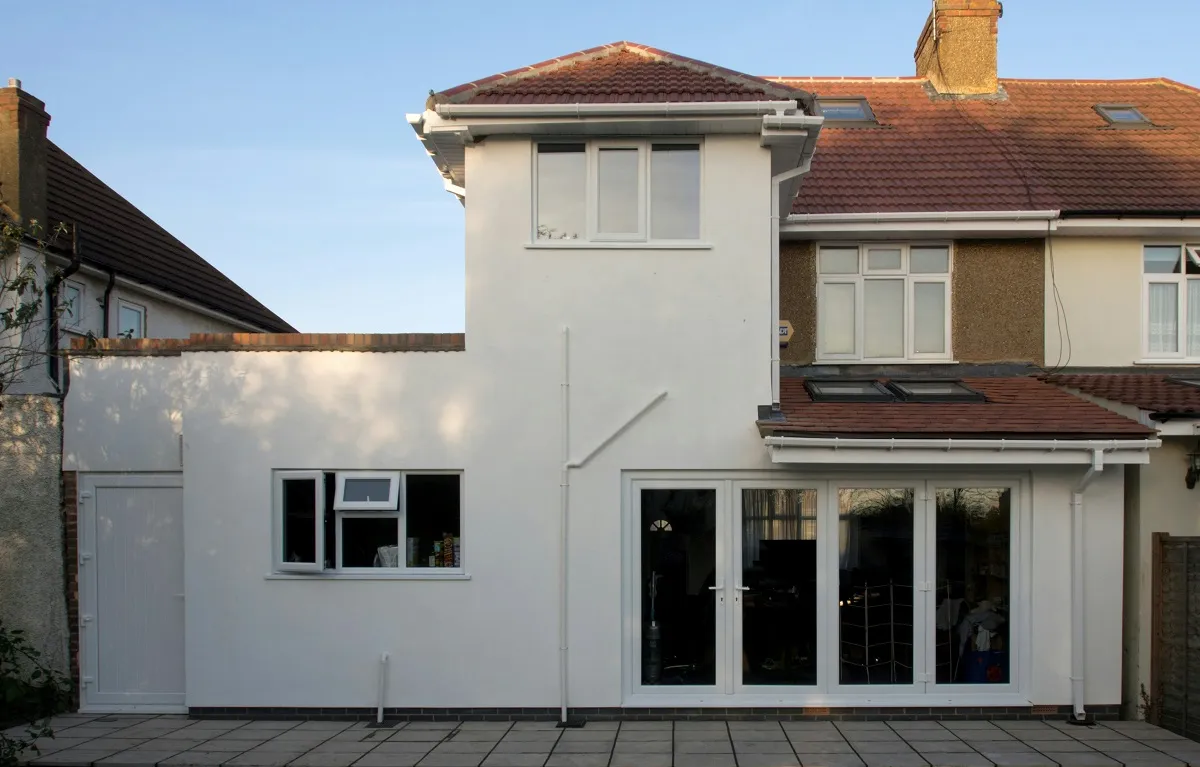
Introduction: Understanding Planning Permission for Multi-Storey Extensions in the UK
Expanding your home with a multi-storey extension is one of the most impactful ways to increase space, add value, and transform your living environment. However, in the United Kingdom, planning permission for multi-storey extensions is a pivotal consideration before embarking on any construction project. Rules and regulations governing home extensions can be intricate, often leaving homeowners puzzled about what is permissible. This comprehensive guide explores the nuances of planning permission for multi storey extensions in the UK, helping you navigate legal requirements, application processes, design guidelines, and common pitfalls. Whether you want to add a new bedroom, an office, or a luxurious living room, understanding the planning procedure is essential for a compliant and successful home improvement journey.
What is Planning Permission?
Planning permission is a formal approval from your local planning authority (LPA) required for certain types of construction and development works, particularly those that impact the external appearance and structure of a building. For multi-storey extensions in the UK, planning permission ensures that proposed developments are in line with local and national planning policies, neighborhood character, and do not negatively impact neighbors or the environment. The process often involves submitting detailed proposals, drawings, and supporting documents to receive official consent before any building can commence.
Why Does Planning Permission Matter for Multi-Storey Extensions?
Multi-storey extensions have the potential to significantly alter the footprint, height, and mass of a dwelling. They can affect neighboring properties, change streetscapes, and impact access to sunlight, privacy, and views. By requiring planning permission, the government aims to control unsuitable development, protect heritage, ensure sustainability, and maintain the character of local communities. Failing to obtain the appropriate permissions can result in legal complications, enforcement action, or even demolition orders, making it crucial to get planning permission for your multi-storey extension in the UK.
Permitted Development Rights: Do They Apply to Multi-Storey Extensions?
Permitted development rights (PDRs) allow homeowners to extend and modify their homes without the need for formal planning permission, subject to specific limitations. However, for multi-storey extensions such as two-storey side or rear extensions, these rights are extremely limited and usually come with strict criteria regarding height, depth, proximity to boundaries, and overall volume. In many cases, you will still need to apply for full planning permission. Additionally, if your property is located in a conservation area, national park, Area of Outstanding Natural Beauty (AONB), or is a listed building, PDRs might not apply at all. Always check with your local authority before proceeding.
Key Criteria for Planning Permission Multi-Storey Extension UK
When applying for planning permission for a multi-storey extension in the UK, your proposal must usually adhere to the following criteria:
- Overall Height: Multi-storey extensions cannot be higher than the highest part of the existing roof.
- Depth and Width: There are strict limits on how far you can extend at the rear, side, or above an existing garage or structure. Typically, rear extensions cannot extend more than 3m (for semi-detached and terraced) or 4m (for detached houses) beyond the rear wall under PDRs, and anything beyond will likely need planning.
- Proximity to Boundaries: Extensions within 2m of a boundary are subject to more restrictive height limits.
- Materials: The materials used must be of a similar appearance to the existing house unless otherwise approved.
- Overlooking and Overshadowing: Extensions must avoid causing unreasonable loss of privacy or sunlight to neighboring properties.
- Design and Character: Proposals should be in keeping with the local streetscape and architectural style.
Remember, even if your development looks minor to you, a multi-storey extension can fundamentally alter your home and must be considered holistically within the context of planning law.
The Planning Application Process for Multi-Storey Extensions
The standard planning application process for a multi-storey extension includes the following steps:
- Pre-application Consultation: It is highly recommended to consult your local planning authority before submitting your application. This informal stage can highlight issues early and improve your application’s chances of success.
- Preparation of Plans: Engage a professional architect or designer to draw up detailed architectural drawings, site plans, and elevations. Supporting documents may include Design and Access Statements and, for larger schemes, environmental or heritage statements.
- Submission: Submit your planning application via the Planning Portal (planningportal.co.uk) or directly to your LPA. Pay the required fee.
- Consultation and Publicity: The council will consult neighbors, relevant statutory bodies, and possibly advertise the application publicly.
- Assessment: Planning officers assess your application against local and national planning policies, taking public representations into account.
- Decision: The decision is usually made within eight weeks for householder applications. Larger or more complex proposals may take longer.
- Approval or Refusal: If granted, you can proceed as per your permission. If refused, you may amend your proposal or appeal the decision.
Understanding these steps is crucial to obtaining planning permission for any multi-storey extension in the UK.
Information and Documents Needed for Your Planning Application
To ensure your planning application for a multi-storey extension is validated and processed efficiently, you will need to supply:
- Location plan (showing boundaries and site orientation)
- Block plan or site plan (showing existing and proposed layouts)
- Existing and proposed floor plans
- Elevations (showing the extension in relation to the existing building)
- Roof plans
- Materials specification
- Design and Access Statement (if required)
- Ownership certificates
- Application fee
Submitting detailed and accurate information will minimize delays and improve your chances of securing planning permission for your multi-storey extension in the UK.
Planning Policy Context: National and Local Considerations
Planning officers assess your multi-storey extension application against two key layers of policy: national guidance (such as the National Planning Policy Framework, NPPF) and local planning policies as outlined in your council’s Local Plan. National policy emphasizes sustainable development, good design, protection of privacy and sunlight, and minimizing negative impact on neighbors. Local policies may specifically address rear or side extensions, setting out granular requirements on height, form, and materials. Some LPAs publish Supplementary Planning Documents (SPDs) with design guidance specific to extensions; reviewing these can provide valuable insight into what is likely to receive planning permission.
Common Reasons Why Multi-Storey Extension Applications are Refused
Even well-considered proposals for multi-storey extensions may be refused if they fail to meet planning criteria. Common reasons include:
- Overdevelopment: The extension is too large relative to the plot, resulting in loss of garden or outdoor space.
- Loss of Light or Outlook: The extension blocks natural sunlight or views from neighboring properties.
- Loss of Privacy: Windows in the extension overlook neighbours’ gardens or rooms.
- Poor Design: The extension is out of character with surrounding properties or uses inappropriate materials.
- Impact on Heritage: The building is listed, or the area is protected, and the extension would harm its special character or historical value.
- Access and Infrastructure: The extension would restrict access, parking, or hinder emergency vehicle access.
It is vital to anticipate such objections and address them in your initial application to maximize your chances of planning permission success.
Secure Planning Permission for Your Multi-Storey Extension with Confidence
Navigating planning permission for multi-storey extensions in the UK can be complex, but with the right approach, it becomes a manageable and strategic process. From understanding permitted development limitations to preparing detailed drawings and aligning with local planning policies, every stage plays a crucial role in the success of your project.
A well-prepared application not only increases your chances of approval but also helps you avoid unnecessary setbacks such as refusals, amendments, or enforcement issues. Whether your goal is to create additional living space, enhance property value, or future-proof your home, ensuring full compliance with planning regulations is essential for a successful outcome.
Contact Charrette Law today for expert guidance on planning permission for your multi-storey extension. Whether you are submitting a new application or dealing with a refusal, professional planning support can help strengthen your case, reduce delays, and improve your chances of approval.