
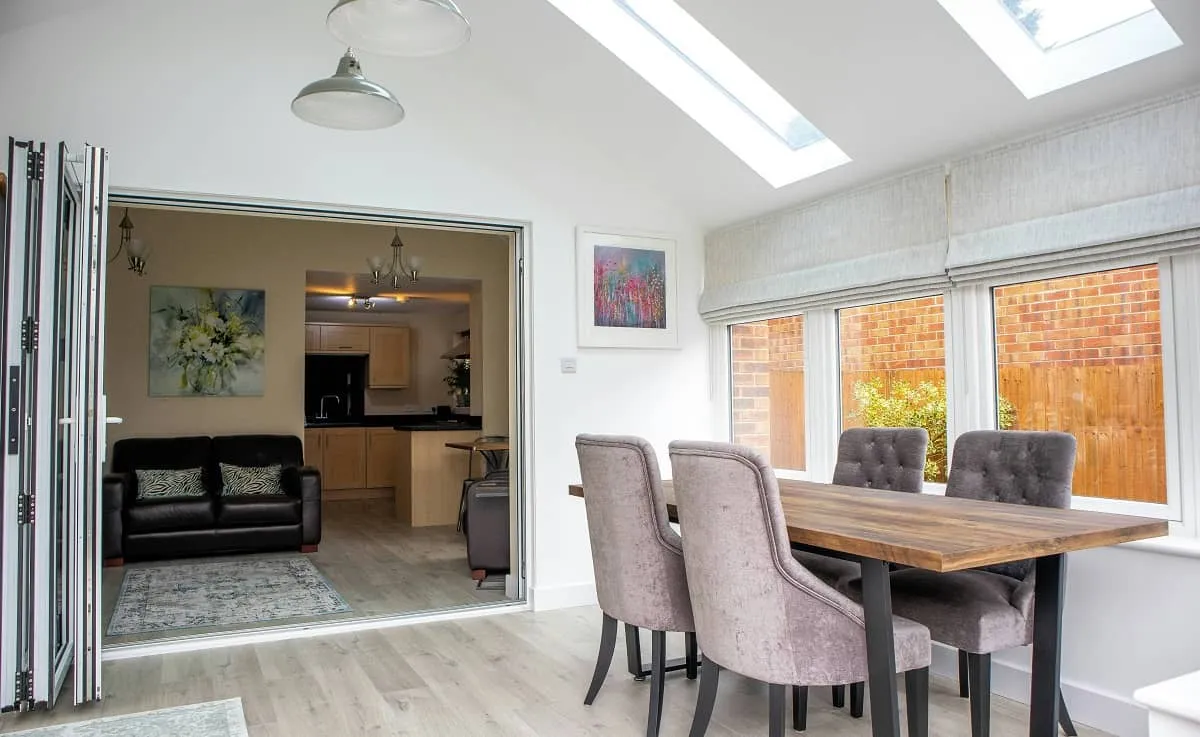
Introduction to the Party Wall Act and Side Extensions
The Party Wall Act 1996 is a crucial piece of legislation in England and Wales designed to prevent and resolve disputes concerning party walls, boundary walls, and excavations near neighboring buildings. If you’re considering a side extension to your property, understanding the requirements and procedures set out by the Act is vital. Failing to comply can lead to costly delays, legal action, or even having to undo completed works. This comprehensive article will guide you through the Party Wall Act requirements specifically relating to side extensions by addressing the most common questions, offering expert insights, and helping you avoid pitfalls.
What Is the Party Wall Act?
Enacted in 1996, the Party Wall Act was created to protect the rights of property owners undertaking work that might affect shared walls (party walls), structures built on the boundary line, and excavations near neighboring properties. It sets out the legal framework for informing neighboring owners about such works and resolving any disputes that might arise.
Understanding Party Walls and Structures
A party wall is a wall shared by two or more structures, usually separating properties. It could be part of a terrace, semi-detached house, or flats. The Act also covers partition walls between spaces belonging to different owners within a single building, walls on boundaries (party fence walls), and even floors between flats (party structures).
For your side extension, the Act may apply if you are:
- Building on or astride the boundary line (the ‘line of junction’)
- Working on an existing party wall or party structure
- Excavating within three or six meters of a neighboring property, depending on the depth of your foundations
When Does the Party Wall Act Apply to Side Extensions?
Not all side extensions will fall under the Party Wall Act, but in many cases, you’ll need to comply. The Act will typically apply:
- When the side extension involves building up to or directly on the boundary you share with a neighboring property
- If work modifies an existing party wall; for example, cutting into the wall, thickening, demolishing and rebuilding, or underpinning
- When you excavate to a depth greater than your neighbor’s foundations and within three meters (or within six meters if a 45-degree line from the bottom of your new foundation would intersect theirs)
If your side extension project triggers any of the scenarios above, the Party Wall Act’s requirements will apply.
Types of Notifiable Work Under the Party Wall Act
To ensure compliance, you must serve notice to your neighbors if your plans involve:
- Building a new wall on the boundary line (either wholly on your side or astride the boundary subject to neighbor consent)
- Cutting into a party wall; for example, to insert a beam, flashings, or damp proof course
- Raising or lowering the height of a party wall
- Demolishing and rebuilding a party wall
- Extending a party wall or removing sections of it
- Excavating within specified distances from adjoining structures
The Act also covers ancillary works such as underpinning, inserting steel beams, or rendering a party wall. Any structural operations listed above may apply, depending on your specific extension design.
The Notice Process: How to Serve a Party Wall Notice
Serving written notice to your adjoining owner(s) is a core requirement of the Party Wall Act. Here is an outline of the process:
- Identify affected neighbors: This may be more than one property, especially for corner plots or flats.
- Prepare the correct notice: There are three types of notice:
- Party Structure Notice — for works directly on a party wall
- Line of Junction Notice — for building new walls astride or adjacent to the boundary line
- Notice of Adjacent Excavation — for excavating within three or six meters of a structure on neighboring land
- Serve the notice: Deliver the notice at least 1 or 2 months (depending on notice type) before starting work.
- Wait for consent or a dispute: Adjoining owners have 14 days to respond. If they consent, work can proceed, subject to any other legal requirements. If they dissent or don’t respond, a dispute is deemed to have arisen and Party Wall Surveyors must be appointed.
Notices must include a description of planned works and the start date. Attach plans, drawings, or method statements if relevant.
Who Pays for Party Wall Matters?
The general rule is that the building owner (the person undertaking the side extension) will pay for all reasonable costs arising from the Party Wall process, including:
- Surveyors’ fees (yours and your neighbor’s, if needed)
- Cost of any damage remedied to the neighbor’s property
- Works required to safeguard neighbor’s property
If the adjoining owner requests extra works for their own benefit (for example, increasing the height or thickness of the party wall beyond what is required for your extension), they may need to contribute to those additional costs.
The Role of Party Wall Surveyors
If your neighbor consents to the work, surveyors may not be necessary. However, should a dispute arise (usually if your neighbor dissents or does not respond), one or typically two independent Party Wall Surveyors are appointed one by each party, or a single “Agreed Surveyor” by both.
The surveyors’ role is to impartially assess and agree on the work’s impact, safeguard interests of both parties, and prepare a legally binding “Party Wall Award” (or Agreement) which sets out:
- Details and method of the works
- Working hours and access arrangements
- Rights and responsibilities of both parties
- A record (schedule) of the neighbor’s property condition before work starts crucial for resolving post-work damage claims
Neither you nor your neighbor can sack a surveyor once appointed; they are legally bound to act impartially at all times.
Design Considerations and Practical Planning
To avoid disputes and streamline your project, consider the following when planning your side extension:
- Engage with your neighbors at the earliest opportunity. Share draft plans and listen to their concerns this can pave the way for easier formal agreement down the line.
- Work with your architect or designer to minimize the impact on the shared boundary and neighboring structures. For example, a slight setback from the boundary can simplify the process.
- Include details about how you will protect your neighbor’s property during construction. Specify methods in your notice and subsequent Party Wall Award.
- Allow time for the Party Wall process. Factor in the 1-2 month notice period, plus possible delays if a surveyor’s Award needs to be agreed before work starts.
Good design and open communication are often the best ways to avoid costly party wall disputes.
Excavations and Foundations: Special Party Wall Considerations
Many side extensions involve excavating for deeper or new foundations, which is a critical area under the Party Wall Act. You must serve notice if you plan to excavate:
- Within three meters of a neighboring structure and to a depth lower than its foundations
- Within six meters if a 45-degree line from the base of your new excavation would penetrate the neighbor’s foundations
This is especially relevant for older properties with shallow footings or where your extension will use deep strip, pile, or raft foundations.
Key requirements include:
- Providing details of the excavation work, including foundation plans, method statements, and depth diagrams
- Agreeing on methods to protect the neighbor’s property from collapse or subsidence
- Carrying out a photographic schedule of condition before starting
- Giving at least one month’s notice before excavation begins
Ignoring these requirements can lead to injunctions, compensation claims, or local authority action.
Ensuring a Smooth Side Extension Under the Party Wall Act
Planning a side extension involves more than just design and construction it requires careful compliance with the Party Wall etc. Act 1996. From determining whether your works fall within the Act, to serving the correct party wall notices and managing excavation requirements, each step plays a crucial role in avoiding delays, disputes, and unnecessary costs.
Side extensions often trigger multiple aspects of the Act, particularly when building along boundary lines or excavating near neighbouring foundations. Taking a proactive approach engaging with adjoining owners early, preparing accurate documentation, and following the correct legal procedures can significantly reduce the risk of conflict and keep your project on track.
Professional guidance is key to navigating these requirements effectively. Ensuring notices are compliant, surveyors are correctly appointed, and Party Wall Awards are properly structured will protect both your property and your investment while maintaining positive relationships with your neighbours.
Contact Charrette Law today for expert support with your side extension project. From serving party wall notices and advising on excavation works to appointing experienced surveyors and resolving disputes, our team will ensure your project is fully compliant and progresses smoothly.