
Party Wall Act
The Party Wall Act is a critical piece of legislation in the United Kingdom that regulates the construction and maintenance of shared walls and boundaries between properties. Officially known as the Party Wall etc. Act 1996, this legal framework is designed to prevent and resolve disputes between neighbours that may arise due to building works affecting party walls, boundary walls, and excavations near neighbouring buildings. If you own a property and are planning to carry out construction or renovations that affect a shared wall or require digging close to your neighbour’s structure, understanding the Party Wall Act is essential to ensure compliance and avoid legal disputes.
At its core, the Party Wall Act covers three main types of work:
- Work on an existing party wall or structure shared with another property, such as cutting into the wall, raising or lowering it, or inserting beams.
- Construction of a new wall at the boundary between two properties.
- Excavation near to a neighbouring property’s foundation, typically within 3 or 6 metres depending on the depth and nature of the works.
When such work is planned, the property owner (referred to as “the building owner”) is obligated to serve a formal notice to their neighbour (known as “the adjoining owner”). The notice must include details of the proposed works, how and when they will be carried out, and must usually be served at least two months in advance of starting work on party walls, or one month for excavation works.
The adjoining owner then has a defined period in which to respond. There are three possible responses:
- Consent – The neighbour agrees to the work, and it may proceed.
- Dissent – The neighbour disagrees with the proposed work, in which case the matter must be resolved through the appointment of a surveyor.
- No Response – If the adjoining owner does not reply within 14 days, it is treated as a dissent, and a surveyor must be appointed.
If surveyors are appointed, they will draw up a Party Wall Award (or agreement), which is a legally binding document that sets out the rights and responsibilities of both parties, details of the planned works, and measures to ensure the work does not cause unnecessary inconvenience or damage. A crucial part of the party wall process, the Award includes a schedule of condition – a photographic or written record of the adjoining property’s current state. This helps resolve any later claims of damage attributed to the works.
Failure to serve the correct notices under the Party Wall Act or disregarding its procedures can have serious legal and practical consequences. Building works can be stopped by a court injunction, and the building owner may be liable for costs and damages. For these reasons, seeking the advice of a professional experienced in party wall matters, such as a chartered surveyor, is highly recommended before commencing any qualifying works.
The Party Wall Act is designed to strike a balance between the building owner’s right to develop and improve their property and the protection of neighbouring property owners from potential structural and financial risks. By following the proper notices and agreements process, property owners can not only comply with the law but also foster good neighbourly relations and minimize delays and disputes.
Excavating for New Foundations
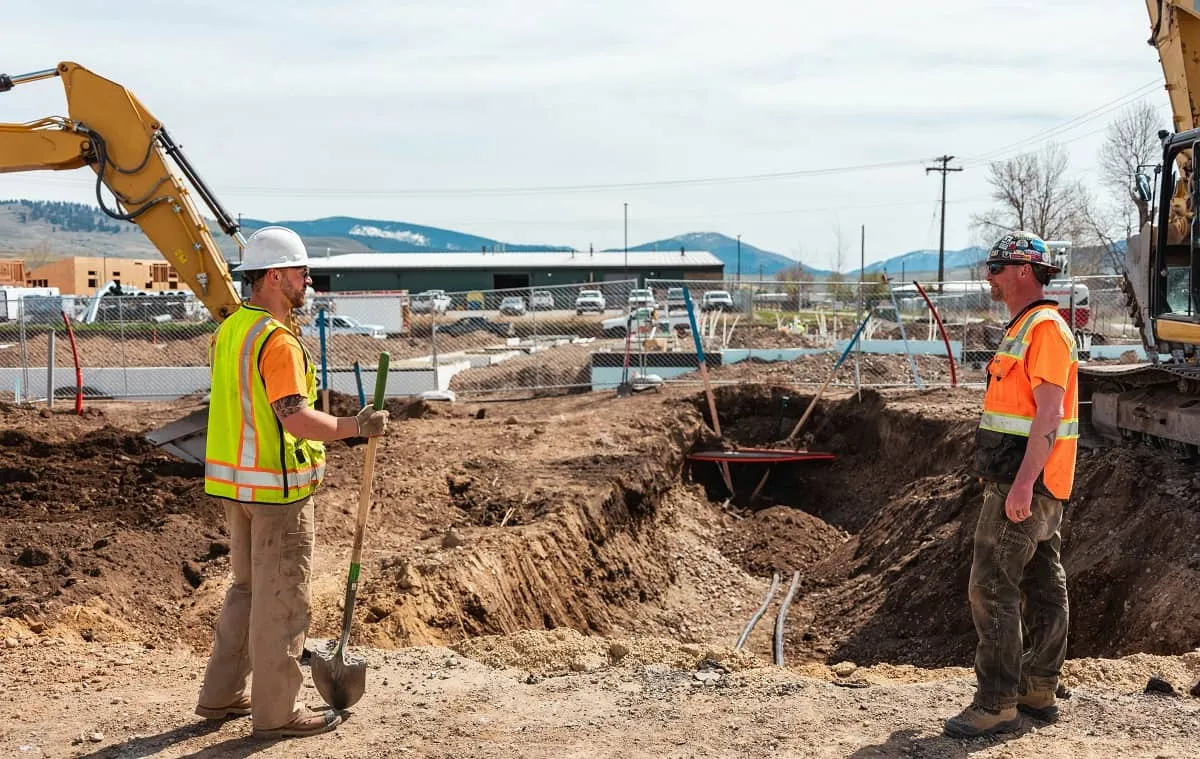
Excavations for new foundations are common in a wide range of property improvements, including extensions, basements, conservatories, and outbuildings. However, such work can compromise the integrity of nearby structures, especially if done close to neighbouring buildings. This is why the Party Wall Act plays a crucial role in regulating excavation activities as part of its broader remit.
Under Section 6 of the Party Wall Act, if you need to excavate within a certain distance of your neighbour’s building or structures, certain legal obligations arise. The precise rules require that:
- If you are excavating within 3 metres of a neighbour’s building and your excavation will go deeper than the bottom of their foundations, you must serve notice.
- If you are excavating within 6 metres and your excavation will intersect a line drawn downwards at 45 degrees from the bottom of their foundations, notice is also required.
The types of excavations covered include digging new trenches for strip foundations, pile driving for deep foundations, or any work that may destabilize the ground supporting neighbouring properties. The rationale is that ground movement from excavations can lead to settlement or damage, even if your building is structurally sound.
The process for excavation under the Party Wall Act involves the following key steps:
- Serve Notice: At least one month before starting the excavation, you must serve a formal notice to all affected adjoining owners. This must detail the nature and depth of the planned works, how and when they will be carried out, and provide plans or drawings.
- Consent or Dissent: The neighbour can reply with their consent or dissent as with general party wall works. In most cases, especially where significant structural risk exists, neighbours will dissent and appoint a surveyor.
- Surveyor’s Role: One or two surveyors (depending on whether both parties agree on a single ‘agreed surveyor,’ or each appoints their own) will conduct a survey and draw up a Party Wall Award.
- Schedule of Condition: The surveyors will record the current condition of the neighbouring property. This serves as evidence should damage occur due to the excavation.
- Work and Monitoring: During the works, the building owner must take all reasonable steps to prevent damage or unnecessary inconvenience. Surveyors may call for additional inspection or safeguards, such as shoring, underpinning, or limiting vibration.
Responsibility for costs associated with the Party Wall process, surveyors’ fees, and any necessary protective works typically rests with the building owner undertaking the excavation. In rare instances, if the adjoining owner requests extra works solely for their convenience, they may bear part of the additional cost.
It is important to understand that the Party Wall Act does not override need for other permissions such as planning consent or building regulations approval for your works. Compliance with all legal requirements is necessary. Furthermore, carrying out excavation or foundation works without a Party Wall Award or ignoring the neighbour’s rights may result in costly legal action, delays, or forced reinstatement. Courts take a dim view of parties who attempt to bypass Party Wall Act procedures.
Examples of works that can trigger the obligation to notify under the Party Wall Act include:
- Building a new rear extension close to a neighbour’s house.
- Excavating to create a new basement.
- Adding structural features like retaining walls or underpinning.
- Constructing a new garage or garden room with deep foundations.
- Drilling or boring for pile foundations.
The nature of London’s historic, high-density housing and structures, for example, means excavation works can pose particular risks not just to immediate neighbours but in some cases, to the wider street. The Party Wall Act provides a clear, fair framework for advance notification, survey and agreement, which is particularly useful in these challenging environments.
Moreover, compliance with the Act often results in beneficial side effects. The procedural requirements, site surveys, and condition records, if handled with professionalism and transparency, can actually speed up the construction process by minimising post-work disputes and establishing clear lines of responsibility for any accidental damage.
For property owners considering significant construction, it is recommended to start the Party Wall process well ahead of your intended work start date. Allowing time for surveyor appointments, negotiation of the Award, and addressing any concerns or requests from neighbours is essential in some cases, this process can take several months especially if disagreements arise or access for a detailed survey is not easily available.
Managing Excavation Risks Under the Party Wall Act
Serving the correct notices, involving surveyors where appropriate, and obtaining a Party Wall Award are not just legal formalities. They are essential steps in protecting both your project and your relationship with neighbouring property owners.
Excavation works, particularly for new foundations, carry inherent risks that can affect adjoining structures if not carefully managed. By following the procedures set out under the Party Wall etc. Act 1996, property owners can minimise disputes, ensure structural safety, and maintain compliance with the law.
Contact Charrette Law today to ensure your excavation works and party wall matters are handled professionally, efficiently, and in full compliance with the law. Our experienced team can guide you through every stage, from serving notices and appointing surveyors to managing Party Wall Awards, giving you peace of mind and a smoother construction process.