
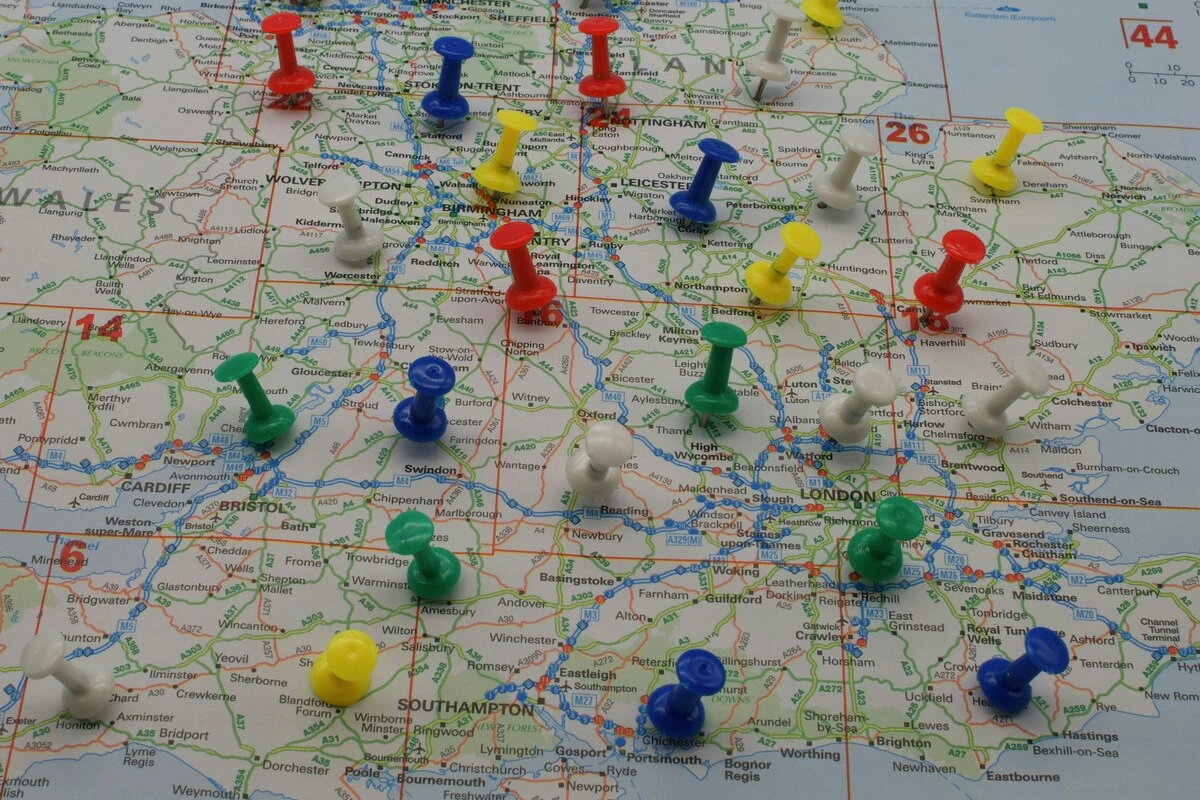
Strategies for Coordinating Planning Objections
This article explores robust tactics for building and mobilising public resistance, with a focus on mass opposition strategies that maximise the impact of planning objections. We cover methods to unify communities, craft influential representations, utilise digital tools, and harness the power of local networks; all targeted at guiding you towards a successful campaign.
Understanding the Planning Objection Process
Before launching into action, it’s crucial to understand the steps involved in submitting planning objections in the UK. When a planning application is made, local authorities open a public consultation phase, inviting individuals and groups to comment. During this period, anyone affected—residents, amenity societies, environmental groups, businesses—can lodge formal objections.
Planning committees assess applications not on opinion alone, but on “material planning considerations.” Common valid grounds include increased traffic, environmental dangers, impact on services, overdevelopment, or harm to local heritage. Mass opposition strategies rely on harnessing these considerations, while ensuring that all objections remain relevant and well-founded.
Why Mass Opposition Matters
The volume, organisation, and coherence of objections can dramatically shape a planning outcome. When local planners or councillors are faced with a deluge of well-constructed, individualised arguments, it increases public scrutiny and compels a thorough examination of the proposals. Public authorities are obligated to take all material planning objections into account, with the number and diversity of responses indicating the depth of local feeling.
More importantly, visible mass opposition can generate valuable press, prompt further investigation, and sometimes motivate site visits or committee debates that might otherwise not occur. It can also galvanise political representatives to take a firmer stand against unsuitable developments.
Mobilising the Community
Successful mass opposition campaigns begin with community mobilisation. Forming a residents’ association or campaign group provides a united voice and an organisational structure.
- Initial Information Sessions: Host open meetings, either in-person or virtually, to inform community members of the planning proposal, its potential impacts, and the objection process.
- Surveying Local Opinion: Circulate short online or paper-based surveys to gauge the intensity and nature of local concerns. This data helps to shape the collective response and identify key spokespeople.
- Drafting an Action Plan: Outline a clear schedule including objection submission deadlines, local consultation events, and delegated tasks.
- Identifying Influential Voices: Approach local leaders, business owners, teachers, and respected community figures who could lend credibility and attract media attention.
A well-organised group with defined roles—from chairperson to communications lead—enables smooth coordination and prevents duplication of effort.
Educating and Informing Objectors
It’s not enough to simply encourage objectors to submit their views; they must be guided to ensure effectiveness. Distribute fact sheets, videos, or sample objection letters, clearly outlining valid planning reasons tailored to the specific case.
- Explain “Material Planning Considerations”: Describe which grounds are likely to be considered by decision-makers and why emotional appeals alone may not suffice.
- Provide Evidence: Share locally-relevant data (e.g., traffic counts, school capacity, environmental surveys).
- Highlight Deadlines: Regularly remind objectors of submission dates, and use templates or online portals for easy submission.
- Dispel Myths: Clarify any misconceptions, such as the belief that petitions carry more weight than individual objections—quantity and quality both matter, but individualised representations are more influential than signatures alone.
Through education, you can help your community’s objections to be both numerous and robust.
Utilising Digital Tools and Social Media
The reach and mobilisation potential of digital tools are indispensable to modern mass opposition strategies. Social media, group messaging apps, and online collaboration platforms enable rapid dissemination of information, instant feedback, and coordinated action.
- Create Dedicated Platforms: Build a central website or Facebook page with links to official planning documents, deadlines, resources, and a repository of template objections.
- WhatsApp or Telegram Groups: Provide real-time updates, answer queries, and encourage prompt action.
- Shared Cloud Drives: Store draft letters, data charts, or evidence for easy access and editing.
- Email Campaigns: Use tools to automate reminders and instructions to hundreds of supporters simultaneously.
- Online Petitions: While not a substitute for formal objections, a large petition can amplify the campaign’s visibility in the press or with politicians.
Ensure all digital resources are kept up-to-date, and appoint a coordinator to moderate discussions, correct misinformation, and sustain momentum.
Ensuring Authenticity and Impact
Mass opposition does not mean blanket repetition of the same message. Encourage each objector to personalise their submission. Individual stories, illustrated with unique photographs, maps, or personal experiences, help reinforce the lived impact of the proposed scheme.
- Personalise Objections: Suggest that supporters modify templates with their unique viewpoint or circumstances.
- Focus on Distinct Impacts: For example, a parent might cite dangers to a walking route for children, while a nature lover might highlight risks to local wildlife.
- Submit Individually: Where possible, encourage each local household or group member to lodge a separate objection rather than signing a single group letter.
This diversity and authenticity adds credibility, making it harder for decision-makers to dismiss mass objections as a coordinated but shallow protest.
Liaising with Local Authorities and Councillors
Beyond submitting formal objections, proactive engagement with local planning officers and elected councillors is critical. Keep them informed of the depth of community feeling and invite them to site visits, community meetings, or issue briefings.
- Arrange Meetings: Invite councillors to hear directly from affected residents and see the proposed area first-hand.
- Brief Decision-Makers: Provide written summaries of main objections, supporting statistics, and requests for action or questions for officers to pursue.
- Monitor Responses: Track how councillors and officers react. Maintain regular, polite communication and thank them for engaging, even if they do not agree.
This approach reinforces transparency, fosters goodwill, and helps decision-makers appreciate the weight of opposition when making recommendations or voting.
Coordinating Evidence-Based Objections
Successful mass opposition strategies are grounded in evidence. Collaborate with community members who have relevant expertise such as planning, ecology, geography, or engineering to gather robust data supporting your case.
- Conduct Baseline Surveys: Initiate traffic counts, ecological surveys, or noise measurements to counter or supplement the developer’s claims.
- Photographic Evidence: Take dated photographs showing current conditions, such as overcrowded streets or popular green spaces.
- Compile Historical Data: Present evidence of previous floods, planning refusals, or conservation area maps, where relevant.
- Commission Reports: Where budget allows, engage independent experts to produce simple reports on traffic flow, air quality, or school places.
By sharing well-organised, factual evidence with all objectors, campaign groups can develop a consistent and credible case against a proposed development. Evidence should be relevant to the application and clearly linked to recognised planning considerations. Where several residents identify the same issue, their submissions can reinforce the concern while explaining its individual effects on their households or the wider community.
It is also important to verify the accuracy of shared information before circulating it. Misleading statistics, outdated policy references or unsupported allegations can undermine a campaign’s credibility. Where technical matters are involved, professional advice can help ensure that evidence is reliable, proportionate and presented effectively.
Managing Campaign Communications and Public Relations
Effective communication helps maintain public interest throughout the planning process. A campaign may attract initial enthusiasm but lose momentum if supporters do not receive clear updates or understand what action is required.
To maintain engagement, campaign organisers should:
- Appoint a communications coordinator: Ensure that updates are accurate, consistent and distributed through appropriate channels.
- Prepare clear campaign messages: Summarise the proposed development, its potential planning implications and the specific action requested from the authority.
- Engage local media: Provide journalists with verified information, relevant photographs and clear explanations of the community’s concerns.
- Publish progress updates: Keep supporters informed about consultation deadlines, committee meetings and significant developments.
- Maintain professional conduct: Avoid personal attacks, unverified accusations and confrontational behaviour towards applicants, councillors or planning officers.
A focused public relations strategy can increase awareness and encourage participation without distracting from the planning merits of the objection.
Preparing for Planning Committee Meetings
Some planning applications are referred to a committee of elected councillors rather than decided by officers under delegated powers. Where this happens, a coordinated campaign can help ensure that key planning concerns are presented clearly before the decision is made.
First, establish whether the application will be considered by a committee and review the council’s public speaking arrangements. Procedures and speaking limits vary between local planning authorities, so campaigners should confirm the applicable requirements in advance.
Next, prepare a concise briefing that identifies the main objections, the relevant development plan policies and the evidence supporting each concern. If a representative is permitted to speak, they should focus on the strongest material planning considerations rather than attempting to repeat every objection submitted.
Useful preparation includes:
- Identifying the most significant planning issues.
- Linking each concern to relevant local or national planning policy.
- Using clear maps, photographs and supporting documents where appropriate.
- Agreeing on the main points to be communicated without preventing other objectors from expressing their individual concerns.
- Preparing factual responses to questions that councillors may raise.
A well-prepared presentation can help decision-makers understand the potential consequences of a proposal. However, committee members must determine the application in accordance with planning law, relevant policies and material considerations, rather than simply following the size of the opposing campaign.
Understanding the Limitations of Mass Opposition
Although coordinated objections can increase scrutiny and improve the presentation of planning concerns, mass opposition does not automatically result in refusal. Planning decisions are based on the merits of the application, relevant policies and other material considerations.
A campaign may be less effective if it relies primarily on the number of objections, repeats identical arguments without supporting evidence or focuses on matters that planning law does not generally recognise as relevant. Similarly, political pressure cannot lawfully replace an assessment of the planning merits.
Campaign organisers should also understand that planning authorities must consider relevant objections but are not required to agree with them. A development may still receive permission where the authority concludes that its benefits and planning merits outweigh the identified harms.
Where permission has already been granted, the available options are more restricted. There is generally no ordinary third-party appeal against a local authority’s decision to approve an application. A legal challenge may be possible where there are grounds to question the lawfulness of the decision, but judicial review is subject to strict procedural requirements and deadlines.
For these reasons, campaign groups should distinguish between influencing a pending application, monitoring compliance with an approved scheme and challenging a decision through legal proceedings.
Measuring Campaign Progress and Outcomes
Monitoring progress helps campaign organisers determine whether their efforts are producing meaningful engagement and whether additional action is required.
Useful indicators include:
- The number of individual objections submitted within the consultation period.
- The quality and relevance of the planning evidence collected.
- Attendance at community meetings and participation in campaign activities.
- Engagement from councillors, local representatives and relevant statutory consultees.
- Whether significant planning concerns are acknowledged in the officer’s report or discussed at committee.
- The final planning decision and any conditions or obligations imposed.
These indicators should be used to assess the effectiveness of the campaign, not as a substitute for understanding the planning decision itself. Even where permission is granted, a campaign may help secure design changes, additional safeguards or conditions that reduce the development’s impact.
A clear review process also allows campaign organisers to identify lessons for future planning applications and improve the way they communicate with residents and public authorities.
Building a Stronger, More Effective Planning Objection Campaign
Coordinating planning objections requires more than gathering signatures or encouraging residents to oppose a development. The strongest campaigns combine community organisation, accurate information, individual representations, relevant planning evidence and constructive engagement with decision-makers.
By establishing clear responsibilities, educating supporters about material planning considerations and maintaining effective communication, campaign groups can present a credible case that deserves proper consideration. Digital platforms and local networks can help mobilise participation, while expert reports and policy analysis can strengthen objections involving complex environmental, transport, design or heritage issues.
Nevertheless, the success of a campaign depends on the planning merits of the case, not simply the number of people involved. Where legal questions arise or a planning permission has already been granted, obtaining specialist advice promptly can help establish whether further action is appropriate.
With a structured and evidence-led approach, communities can participate more effectively in the planning process and seek outcomes that protect local interests while respecting the legal framework governing development.
Get Expert Planning Advice from Charrette Law
Coordinating a planning objection campaign can be challenging, particularly when a proposed development raises complex legal, environmental or policy issues. Understanding which objections carry legal weight and how to present them effectively can make a significant difference to the quality of your case.
Charrette Law provides specialist planning and legal advice to homeowners, developers, businesses and property owners dealing with planning applications, development proposals, formal objections, planning appeals, enforcement matters and complex planning disputes.
Whether you are organising a community campaign, assessing a proposed development or seeking advice on challenging a planning decision, professional guidance can help you understand your options and take appropriate action.
Visit Charrette Law to explore its planning law services and obtain advice tailored to your planning concerns.



