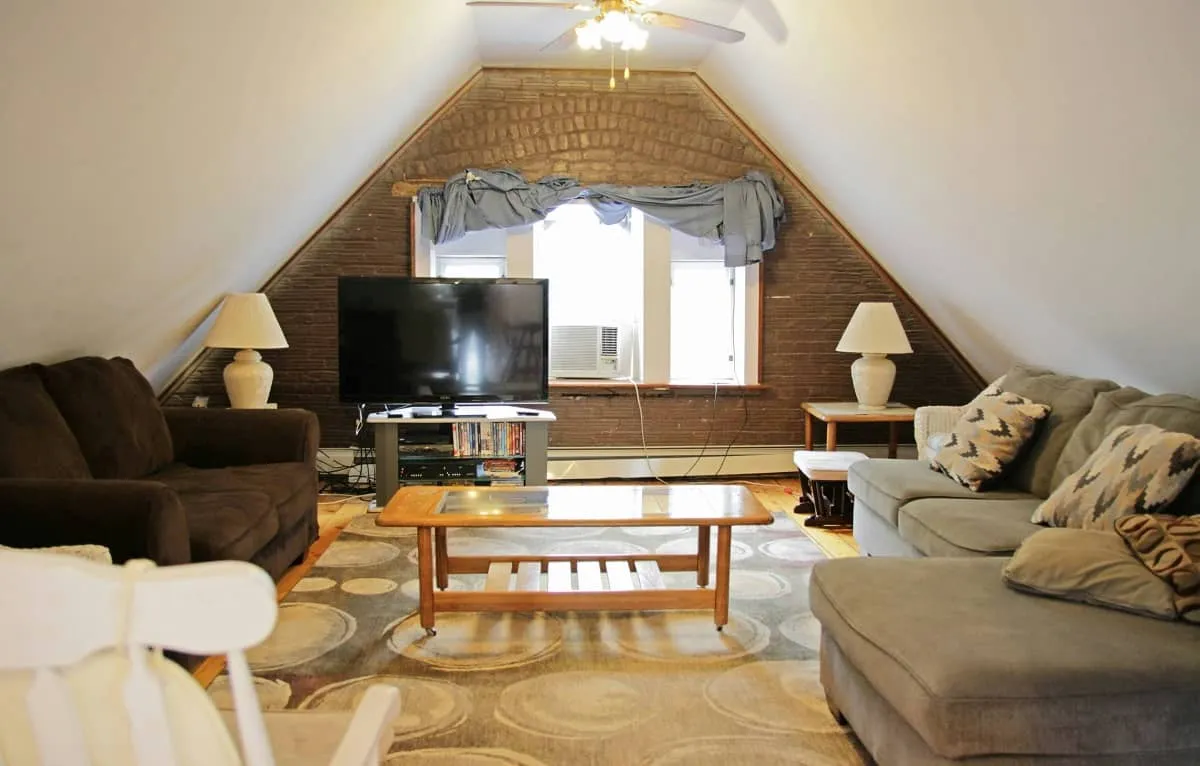
London homeowners seeking to maximise their living space often look upwards to the attic. With property prices on the rise, a loft conversion is one of the most popular and rewarding investments for residential properties throughout the capital. However, the process is not as simple as many imagine. One of the key legal and technical considerations is loft conversion planning permission. The rules surrounding loft conversions in London can be both complex and nuanced, varying from borough to borough. At Charrette Law, we specialise in advising clients throughout Greater London on all matters relating to property law, including loft conversion planning permission. In this in-depth article, we will clarify every aspect of the planning process so you can embark on your loft project with confidence.
Why Are Loft Conversions So Popular in London?
Space is at a premium in London. With limited options for external expansion and the astronomical costs of moving house, an increasing number of homeowners are opting to convert their lofts into usable rooms. A well-designed loft conversion not only adds significant living space but can also increase a property’s value by up to 20%. Whether you are considering an extra bedroom, home office, gym or studio, the versatility of a loft space makes this a highly desirable upgrade. However, before construction begins, it is crucial to understand your legal obligations concerning planning permission, an area where expert support can make a decisive difference.
Understanding Loft Conversion Planning Permission in London
The question every homeowner asks is: “Do I need planning permission for my loft conversion in London?” In many cases, loft conversions fall under Permitted Development Rights (PDR), meaning full planning permission is not required. However, this is dependent on meeting specific criteria laid out in planning legislation. Several factors influence whether you need to apply for permission, including your property’s location, type, and the scale/design of the proposed loft conversion.
It is important to note that London boroughs have nuanced interpretations of national regulations, and certain locations such as conservation areas or listed buildings are subject to stricter controls. Thus, seeking legal and architectural guidance is always recommended. Should you proceed without the correct permissions, you risk enforcement notices, expensive remediation, and even complications selling your property in the future.
Permitted Development Rights and Their Limits
Most loft conversions within London can be undertaken under Permitted Development Rights, provided they conform to certain criteria set out by the Town and Country Planning (General Permitted Development) (England) Order 2015 (as amended). These include:
- The converted space adds no more than 40 cubic metres to terraced houses, or 50 cubic metres to semi-detached or detached houses.
- The extension does not extend beyond the plane of the existing roof slope at the front (the principal elevation).
- No extension is higher than the highest part of the existing roof.
- Materials used are similar in appearance to the existing house.
- Any side-facing windows are obscure-glazed and non-opening below 1.7m above floor level.
- No verandas, balconies, or raised platforms are added.
- Your property is not on “designated land” (i.e. a conservation area, national park, World Heritage Site, or area of outstanding natural beauty).
If your project adheres to these stipulations, planning permission may not be necessary. However, you will still often need to obtain a Lawful Development Certificate from your local authority to confirm the legality of the works, especially when selling your property.
When Is Planning Permission Required for a Loft Conversion in London?
There are several scenarios where planning permission will be required for a loft conversion in London:
- Your property is located in a conservation area or is a listed building.
- The proposed conversion exceeds volume allowances (40/50 cubic metres as specified above).
- You plan to alter the shape or height of the roof, such as raising the ridge or building a mansard extension.
- The new conversion includes balconies, terraces or verandas.
- The converted area will be used for purposes outside typical residential use (e.g., separate dwellings).
- Previous developments have already used up your permitted volume allowance.
In these cases, you’ll need to submit a full planning application to your local borough council, accompanied by architectural plans and supplementary documents. The application process typically takes eight weeks but may be longer if neighbour objections or complex heritage considerations arise.
Listed Buildings, Conservation Areas and Article 4 Directions
London is home to thousands of listed buildings and conservation areas, particularly in boroughs like Kensington & Chelsea, Camden, Greenwich, and Westminster. If your property falls under these designations, planning controls are far stricter. Many conservation areas are subject to an Article 4 Direction a special regulation that removes certain permitted development rights entirely. Under these circumstances, almost all loft conversions will require planning permission, regardless of size or design.
For listed buildings, you must apply for Listed Building Consent in addition to planning permission. The council will assess the impact of any proposed works on the character and historical significance of the building. Internal alterations, choice of materials, and even the methods of construction are all closely scrutinised. Failure to comply with these regulations risks criminal penalties and restoration orders.
The Steps Involved in Applying for Loft Conversion Planning Permission in London
If you’ve established that a full planning application is required, here’s what the process involves:
Initial Design Consultation: Work with an architect or design and build firm experienced in London loft conversions. They will discuss your requirements, inspect your property, and prepare initial schemes for your consideration.
Pre-Application Advice: Many London boroughs offer pre-application meetings with planning officers. This can be invaluable for identifying key risks or objections before you formally submit.
Preparation of Drawings and Documents: Accurate site plans, elevations, existing and proposed floorplans, Heritage Statements (if necessary), and Design and Access Statements are compiled.
Submission of the Application: The completed package is submitted online via the Planning Portal or directly to the council. Fees typically range from £200 to £300 for householder applications (figure subject to regular updates by the government).
Neighbour Consultation: The council will consult adjoining owners/occupiers, allowing them 21 days to comment. Site notices may also be displayed.
Planning Assessment and Decision: Case officers will visit your site, review the application in light of local and national policies, and make a recommendation. The decision takes eight weeks, on average, but can be longer for complex cases.
Receipt of Decision: You will receive an official notice granting or refusing permission. If objections are raised or permission is denied, there may be an option to appeal, consult a specialist solicitor or planning consultant to improve your chances on resubmission.
Building Regulations Approval for Loft Conversions
Even if your project does not require planning permission (under Permitted Development), you must still obtain Building Regulations approval. These rules cover the technical construction standards of loft conversions, ensuring your new space is safe, structurally sound, insulated and fire-proofed. Key areas covered include:
- Structural alterations, such as steel beam installation and floor reinforcement
- Fire safety, including escape routes, fire doors, and smoke alarms
- Thermal insulation and energy efficiency
- Head height and staircase access
- Sound insulation between new and existing rooms
- Ventilation and drainage for new bathrooms or WCs
- Electrical installation safety
Your builder or architect will submit plans to a Building Control Body, either the council or a private approved inspector, who will then conduct site inspections at various stages. At the end of the project, you’ll receive a Building Regulations Completion Certificate.
Navigating Loft Conversion Planning Permission in London
Loft conversions remain one of the most effective ways for London homeowners to maximise living space and add long-term value to their property. However, while many projects may fall under Permitted Development Rights, the planning and legal requirements can quickly become complex, particularly where conservation areas, listed buildings, Article 4 Directions, or larger structural alterations are involved. Understanding whether your project requires loft conversion planning permission in London is essential before any work begins, helping you avoid delays, enforcement action, and costly complications later on.
In addition to planning permission, homeowners must also consider Building Regulations approval, neighbour consultation requirements, lawful development certificates, and local borough-specific planning policies. A carefully prepared application supported by accurate drawings, compliant designs, and professional planning advice can significantly improve the likelihood of approval while ensuring your loft conversion proceeds smoothly from concept to completion.
Contact Charrette Law today to discuss your loft conversion project with our experienced planning and property specialists. We provide expert guidance on loft conversion planning permission in London, permitted development advice, lawful development certificates, planning applications, and Building Regulations support to help you move forward with confidence.