
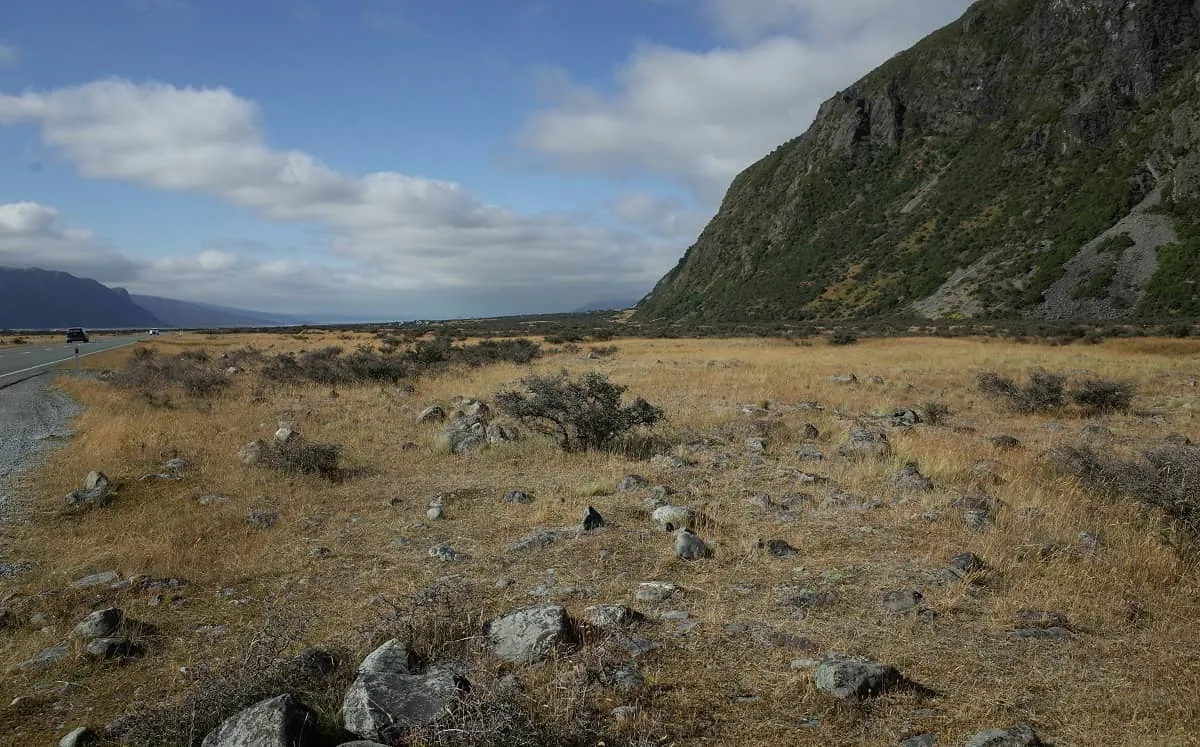
Introduction: The Interconnectedness of Landscape, Design, Heritage, and Environment
In the dynamic contexts of urban expansion, rural development, and conservation, the assessment of landscape impact and visual amenity has emerged as a critical discipline. This process not only evaluates how construction and land use changes alter scenic values, but also how these modifications interact with the salient aspects of design, heritage, and environmental considerations. A well-balanced approach to these factors ensures that growth can be sustainable, sensitive, and harmonious with surrounding surroundings, respecting the legacy of the past and the demands of the future alike. This article explores the nuances of landscape impact and visual amenity assessment, thoroughly discussing how design principles, heritage preservation, and environmental sensitivity converge to shape outcomes for communities and natural environments.
Landscape Impact Assessment: Core Principles and Objectives
Landscape impact assessment (LIA) is a structured approach to identifying, quantifying, and mitigating the effects of proposed developments on existing landscapes. The fundamental aim is to preserve the quality and character of landscapes, whether they are urban, peri-urban, or rural in nature. LIAs often precede planning approvals and are required for projects ranging from infrastructure and housing to renewable energy installations and commercial ventures. Central to LIAs is a deep evaluation of how topography, vegetation, water bodies, and built features will be altered, and how these changes will influence the visual experience of both local residents and visitors.
Effective landscape impact assessments do not operate in isolation. They require comprehensive consideration of the physical, ecological, and cultural settings in which development occurs. These assessments strive to understand not only what is visible, but also what is valued within the landscape. By appreciating the layers of meaning and utility present in the land, professionals can forecast the ramifications of new interventions with greater sensitivity and accuracy.
Visual Amenity: Understanding Subjective Experience
Visual amenity describes the value attributed to the pleasantness, attractiveness, and meaningfulness of our visual environment. It is inherently subjective, varying between individuals, communities, and cultures. However, standard methods exist to evaluate visual amenity in a systematic manner. These include field surveys, photomontages, 3D visualizations, and public consultations.
The goal is to ensure that developments do not detract from and ideally enhance the views and sense of place cherished by stakeholders. When visual amenity is safeguarded or augmented, it yields widespread benefits: higher quality of life, increased property values, strengthened community identity, and improved mental well-being. As a result, visual amenity assessment is now intrinsic to the planning and design process of virtually all significant land-based projects.
Design Considerations in Landscape and Visual Impact Assessment
Design is the bridge between ambition and reality. An effective landscape impact and visual amenity assessment integrates design considerations early in the process to minimize harm, maximize value, and harmonize new development with existing contexts. This involves:
- Site Layout and Orientation: The arrangement of structures, infrastructure, and open space should reflect topography, existing natural features, and local patterns. Careful orientation limits intrusive views, minimizes overshadowing, and preserves prominent vistas.
- Material and Color Palette: Respecting locally available materials, textures, and colors helps new development blend with the environment. This principle extends to both built and landscape elements, like paving, fencing, and planting.
- Scale and Massing: Building heights, volumes, and profiles should correspond to local norms or innovate sensitively. Out-of-scale projects risk overwhelming their surroundings and eroding visual amenity.
- Vegetation and Green Infrastructure: Strategic planting screens unsightly elements, mitigates climate impacts, and enriches biodiversity. Using native species also fortifies habitat corridors and respects ecological heritage.
- Lighting: Nighttime appearance is as significant as daytime, affecting skyline, insect habitats, and dark skies. Thoughtful lighting design avoids glare, trespass, and visual pollution.
Incorporating design-driven solutions doesn’t just soften landscape impacts; it creates opportunities for innovation, aesthetic delight, and the celebration of place.
Heritage Considerations: Respecting the Past in a Changing Landscape
Heritage encompasses both tangible assets such as listed buildings, archaeological sites, parks, and monuments and intangible values like traditions, stories, and historic context. Developments that affect landscapes with historic significance require a heightened level of sensitivity.
Heritage assessment within the broader scope of landscape impact means recognizing:
- Views to and From Heritage Assets: Many heritage sites hold value not just intrinsically, but because of the vistas they command or contribute to. New development should avoid interruption or domination of these critical sightlines.
- Setting and Context: The character of the broader environment often contributes as much to heritage value as the asset itself. Landscape assessment must analyse how setting shapes public appreciation and historical continuity.
- Archaeological Sensitivity: Subsurface works and ground disturbance can threaten buried heritage. Early survey and documentation protect both material culture and opportunities for future research.
- Cultural Practices: The landscape may host events, rituals, or practices that should be documented and, if possible, preserved alongside physical interventions.
Integrating heritage considerations into landscape and visual amenity assessments respects legal obligations, such as those under national planning policies or UNESCO conventions, while upholding local pride and collective memory.
Environmental Considerations: Integrating Biodiversity and Ecosystem Services
Environmental considerations intersect deeply with both landscape and visual amenity. The state and functioning of ecosystems woodlands, wetlands, meadows, urban green spaces are tightly interwoven with visual quality and landscape character. Landscape impact and visual amenity assessments now routinely collaborate with Environmental Impact Assessments (EIAs), addressing topics including:
- Habitat Loss or Fragmentation: Development may reduce habitat continuity for plants and wildlife. Landscape design that retains ecological corridors and minimizes fragmentation supports both biodiversity and scenic value.
- Climate Regulation: Trees, water bodies, and green infrastructure moderate local climates, shelter development, and bolster resilience. Their preservation or enhancement forms a crucial part of both landscape and environmental assessment.
- Water Management: The visual integration of sustainable drainage systems (SuDS) and water-sensitive urban design (WSUD) improves both function and amenity, creating attractive wetlands, ponds, and green roofs.
- Pollution Control: Landscape layouts can mitigate noise, dust, and light pollution for both ecological and human senses.
Recognizing the interdependence of ecological health with the visual and experiential quality of places reinforces the importance of holistic, multidisciplinary assessment approaches.
Best Practice in Landscape and Visual Amenity Assessment
Successful landscape impact and visual amenity assessment follow recognized protocols, often set by national professional bodies or international standards. Key steps include:
- Baseline Studies: Comprehensive data collection regarding pre-existing conditions landform, vegetation, built form, cultural assets, and visual receptors.
- Stakeholder Engagement: Consulting with local communities, authorities, special interest groups, and indigenous populations ensures that diverse values and priorities are considered.
- Visual Analyses: Utilizing GIS, photography, drone surveys, and modeling software to simulate perspectives and quantify changes.
- Impact Assessment: Estimating the magnitude and significance of change from both expert and lay perspectives, accounting for cumulative and secondary effects.
- Mitigation and Enhancement Proposals: Recommending measures to avoid, reduce, or offset negative effects, and identifying opportunities for improvement.
- Monitoring and Adaptive Management: Ensuring that strategies are implemented and, if necessary, adjusted based on observed outcomes post-development.
Structuring Landscape and Visual Impact Evidence for Planning Success
Landscape Impact and Visual Amenity Assessments now sit at the centre of planning decision-making, particularly for development affecting valued countryside, designated landscapes, or the setting of heritage assets. Under the policy framework of the National Planning Policy Framework, decision-makers must give careful consideration to landscape character, visual impact, and the conservation of the natural and historic environment.
A poorly prepared LVIA can expose a project to refusal, delay, or costly appeal. Conversely, a robust and proportionate assessment supported by clear baseline analysis, accurate visual modelling, heritage setting evaluation, and well-evidenced mitigation can materially strengthen the planning balance. Landscape harm must be transparently identified and weighed against public benefits, particularly in sensitive or designated contexts.
For developers, promoters, landowners, and infrastructure providers, early legal oversight of landscape and visual impact evidence can be decisive. Aligning design strategy, environmental mitigation, and policy compliance reduces litigation risk and enhances prospects of securing planning permission.
Contact Charrette Law for specialist advice on Landscape and Visual Impact Assessment, Environmental Impact Assessment, heritage setting analysis, planning appeals, enforcement matters, and judicial review. Our planning solicitors provide strategic, evidence-led guidance to ensure your development proposal is legally robust, policy-compliant, and defensible at every stage of the planning process.