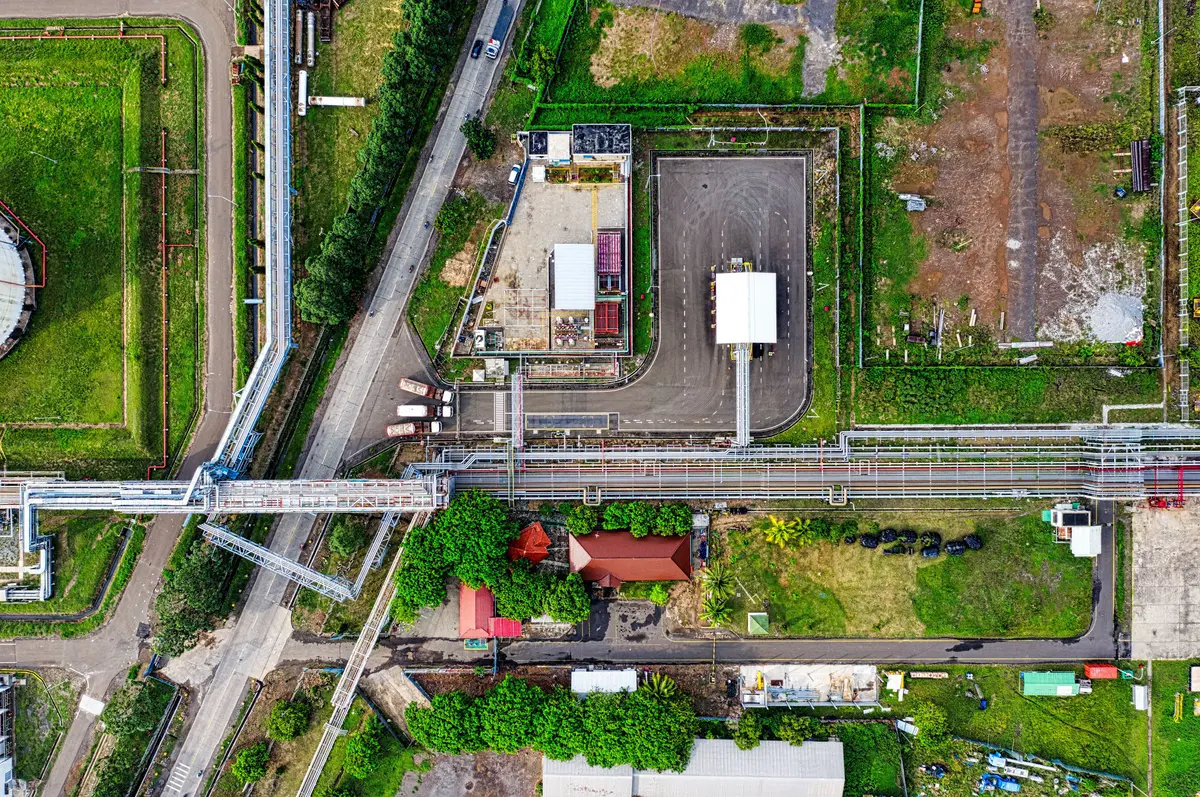
Industrial property plays an important role in the UK economy. From warehouses and distribution centres to manufacturing facilities, storage buildings and industrial estates, these properties support employment, logistics, production and business growth.
However, developing, purchasing, extending or changing the use of industrial property can raise important planning issues. A proposal may require planning permission for new buildings, extensions, alterations or a material change of use. In some circumstances, permitted development rights or other planning routes may be available, but these are subject to specific conditions and limitations.
Understanding the planning position before committing significant time and investment to an industrial property project can help developers, landowners and businesses avoid delays, enforcement action and unnecessary costs.
At Charrette Law, we advise clients on planning and property matters, including planning applications, industrial and commercial development, change of use, permitted development and planning appeals.
What Is Industrial Property Planning?
Industrial property planning refers to the planning issues associated with the development, use, redevelopment and alteration of industrial and commercial premises.
Industrial property can include:
- Factories and manufacturing facilities
- Warehouses
- Distribution centres
- Storage facilities
- Workshops
- Industrial estates
- Logistics buildings
- Trade units
- Research and development facilities
- Commercial yards
- Mixed industrial and business premises
The planning position will depend on several factors, including the existing lawful use of the property, the proposed use, the nature of any building works and the planning policies affecting the site.
Before beginning a project, it is important to establish whether planning permission or another form of planning approval is required.
Do You Need Planning Permission for Industrial Property?
Potentially.
Planning permission may be required where a proposal involves:
- Constructing a new industrial building
- Extending an existing warehouse or factory
- Carrying out significant alterations
- Changing the use of a building
- Intensifying the use of a site
- Creating new access arrangements
- Developing additional storage areas
- Installing external infrastructure
- Redeveloping an existing industrial site
However, not every change will require a full planning application. Some works or changes may benefit from permitted development rights, depending on the type of property, proposed development and applicable planning restrictions.
Why Is the Existing Lawful Use Important?
Before considering a new industrial use, it is important to establish the property’s existing lawful planning use.
The proposed activity may appear similar to the existing use from a commercial perspective but still create a different planning impact.
For example, a building previously used for storage may operate differently if it becomes a high-intensity distribution centre with significantly increased vehicle movements.
The Local Planning Authority may consider whether the proposed use represents a material change of use or whether the scale and intensity of the proposed operation creates planning implications.
Industrial Property and Use Classes
The planning system uses use classes to group certain types of development and land use.
Understanding the relevant use class can help establish whether a proposed change of use requires planning permission.
Industrial and commercial properties may be used for activities involving:
- Industrial processes
- Manufacturing
- Research and development
- Storage
- Distribution
- Offices
- Commercial services
However, planning use classes do not provide an automatic answer in every situation. The specific use of the property, the nature of the activities carried out and any planning permissions or conditions affecting the site may all need to be considered.
Does a Change Within an Industrial Building Require Planning Permission?
Not necessarily.
In some circumstances, a change of activity may not amount to a material change of use. In other cases, a planning application may be required.
For example, changing the type of business operating from a unit may not always require planning permission. However, a change that creates substantially different impacts in terms of traffic, noise, deliveries, operating hours or the intensity of use may raise planning concerns.
It is therefore important to assess the actual nature of the proposed operation rather than relying solely on the description of the business.
Planning Permission for New Industrial Development
New industrial development will often require planning permission.
The Local Planning Authority will consider the proposal against the development plan and other material planning considerations.
The planning assessment may consider:
- The principle of development
- The location of the site
- The proposed use
- Design and appearance
- Traffic and transport
- Access arrangements
- Parking
- Noise
- Environmental impact
- Flood risk
- Drainage
- Biodiversity
- Impact on neighbouring properties
A well-prepared planning application should address these matters from the outset.
Location and Employment Land Policies
Many Local Plans contain policies relating to employment and industrial land.
Some sites may be specifically allocated for:
- Industrial development
- Employment uses
- Warehousing
- Logistics
- Commercial activity
Where a site has been allocated for employment or industrial purposes, this may support the principle of appropriate development.
However, the existence of an employment designation does not automatically mean that every form of industrial development will be acceptable. The scale, design and impact of the proposal will still need to be assessed.
Industrial Property and Change of Use
Change of use is an important issue in industrial property planning.
A business may wish to purchase an existing building and use it for a different commercial or industrial purpose.
Examples may include:
- Converting a warehouse into a manufacturing facility
- Changing an industrial building into a distribution centre
- Introducing office space
- Changing commercial premises into storage facilities
- Redeveloping industrial land for another use
Whether planning permission is required will depend on the specific circumstances.
Material Change of Use
A material change of use occurs where the proposed use is sufficiently different from the existing lawful use to create a planning change.
The Local Planning Authority may consider issues such as:
- The nature of the activity
- Vehicle movements
- Delivery arrangements
- Noise
- Operating hours
- The number of employees
- Visitor activity
- The intensity of use
A change that significantly increases the impact of a property on its surroundings may require planning consideration even where the building itself remains unchanged.
Industrial Extensions and Building Alterations
Businesses often need to expand as operations grow.
An industrial property owner may wish to construct:
- Additional warehouse space
- Manufacturing facilities
- Loading areas
- Storage buildings
- Offices
- Plant rooms
- Staff facilities
Depending on the scale and nature of the work, planning permission may be required.
Can Permitted Development Rights Apply?
In some circumstances, permitted development rights may allow certain works without the need for a full planning application.
However, these rights are subject to detailed conditions, limitations and exclusions.
Factors that may affect whether permitted development rights are available include:
- The type of building
- The proposed works
- The location of the site
- The size of the extension
- Previous development
- Planning conditions
- Article 4 Directions or other restrictions
It is important to identify the correct permitted development right and confirm that the proposal complies with all relevant requirements before starting work.
Warehouses, Distribution Centres and Logistics Development
Warehousing and logistics development can raise significant planning issues because of the scale of buildings and the potential impact of increased vehicle movements.
Modern distribution facilities may involve:
- Large warehouse buildings
- HGV movements
- Delivery vehicles
- Loading bays
- Staff parking
- External storage
- 24-hour operations
- Significant access requirements
These factors can make transport and highway considerations particularly important.
Traffic and Highway Safety
The Local Planning Authority may consider:
- The capacity of surrounding roads
- Site access
- Junction safety
- HGV movements
- Vehicle routing
- Pedestrian safety
- Parking
- Delivery arrangements
A proposal that generates significant additional traffic may need to demonstrate that the surrounding highway network can safely accommodate the development.
Transport assessments and other supporting documents may be required depending on the scale of the proposal.
Noise and Impact on Neighbouring Properties
Industrial activity can create noise and disturbance.
Potential sources include:
- Machinery
- Loading and unloading
- HGV movements
- Vehicle reversing
- Deliveries
- External plant
- Manufacturing processes
- Late-night operations
The location of the development can therefore be important.
A new industrial building located within an established industrial estate may raise different concerns from one located close to residential properties.
Operating Hours and Planning Conditions
Planning permission may be granted subject to conditions controlling the way an industrial property operates.
Conditions may address:
- Operating hours
- Delivery times
- Noise levels
- External lighting
- Landscaping
- Vehicle movements
- Parking arrangements
- Storage
- Approved uses
It is important to understand the conditions attached to an existing planning permission before changing or expanding operations.
Failure to comply with a planning condition can result in enforcement action.
Environmental Considerations for Industrial Development
Environmental matters can play an important role in industrial property planning.
Depending on the location and nature of the development, planning considerations may include:
- Flood risk
- Drainage
- Contamination
- Air quality
- Noise
- Biodiversity
- Protected habitats
- Trees
- Landscape impact
- Ground conditions
Industrial sites may also have a history of previous uses that create additional considerations.
Previously Developed or Contaminated Land
Some industrial and commercial sites are located on previously developed land.
Redevelopment may provide an opportunity to bring underused land back into productive use.
However, contamination and ground conditions may need to be investigated before development begins.
A planning application may therefore require appropriate assessments and evidence to demonstrate that the proposed development can be carried out safely.
Industrial Property Planning and Flood Risk
Flood risk can affect the location, design and development of industrial property.
A proposed development may need to consider:
- The flood risk affecting the site
- Surface water drainage
- Increased runoff
- Sustainable drainage systems
- The impact on surrounding land
- Access and emergency arrangements
Flooding and drainage issues should be considered at an early stage.
Ignoring these matters until after a site has been purchased or a development has been designed can lead to significant delays and additional costs.
Design and Visual Impact
Industrial buildings are often functional in nature, but design and visual impact can still be relevant planning considerations.
The Local Planning Authority may consider:
- Building height
- Scale
- Massing
- Materials
- External appearance
- Landscaping
- Boundary treatments
- Lighting
- Signage
A large warehouse or industrial building may have a significant visual impact, particularly where it is located near residential areas, open countryside or sensitive landscapes.
Industrial Development in Sensitive Locations
Additional planning considerations may arise where industrial development is proposed near:
- Residential areas
- Conservation areas
- Listed buildings
- Green Belt land
- Protected landscapes
- Important habitats
The planning strategy may need to address both the operational requirements of the business and the need to minimise harm to the surrounding environment.
Industrial Property Development on Green Belt Land
Industrial development in the Green Belt can present additional planning challenges.
The fact that a business requires additional space does not automatically mean that new development will be acceptable.
The Local Planning Authority may consider whether the proposal constitutes inappropriate development and assess its impact on Green Belt openness and other relevant planning objectives.
Reuse of Existing Industrial Buildings
The reuse or alteration of an existing building may raise different planning considerations from constructing a new industrial building.
However, the planning position will depend on the specific site, the proposed use and the extent of the development.
Before investing in a Green Belt property, it is important to understand the planning restrictions that may affect future expansion or redevelopment.
Planning Conditions and Existing Industrial Properties
When purchasing or leasing industrial property, it is important to review the planning history of the site.
An existing planning permission may contain conditions that restrict:
- The permitted use
- Operating hours
- Deliveries
- Vehicle movements
- External storage
- Building extensions
- Noise levels
A business that changes its operations without considering these restrictions may create planning difficulties.
Why Should You Review the Planning History?
The planning history can provide important information about:
- The lawful use of the property
- Previous permissions
- Refused applications
- Existing planning conditions
- Restrictions affecting development
Reviewing this information before completing a property transaction can help identify potential planning risks.
What Happens if Planning Permission Is Refused?
A refusal of planning permission does not necessarily mean that a development proposal cannot proceed.
The first step is to review the reasons for refusal and understand the planning issues identified by the Local Planning Authority.
What Are the Options After a Refusal?
Depending on the circumstances, it may be possible to:
- Amend the proposal
- Provide additional supporting evidence
- Submit a revised application
- Address specific planning concerns
- Explore alternative development options
- Consider a planning appeal where a statutory right of appeal exists
The most appropriate strategy will depend on the reasons for refusal and the planning merits of the proposed development.
How Charrette Law Can Help With Industrial Property Planning
Industrial property projects can involve complex planning and property issues.
A proposed development may require consideration of planning permission, change of use, permitted development rights, planning conditions and other legal restrictions.
At Charrette Law, we advise clients on a range of planning and property matters, including:
Planning Applications
Advice and support in relation to planning applications for industrial, commercial and other development projects.
Change of Use
Guidance on whether a proposed change in the use of industrial or commercial property may require planning permission.
Permitted Development
Advice on whether relevant permitted development rights may apply and the conditions that must be satisfied.
Planning Appeals
Support for clients considering their options following the refusal of a planning application.
Property Development Matters
Advice on planning and property issues affecting the acquisition, development and use of land and buildings.
Get Expert Advice on Industrial Property Planning
Industrial property can provide important opportunities for business growth, investment and redevelopment.
However, planning requirements should be considered before purchasing a site, changing its use, expanding a building or beginning a new industrial development.
The planning position may depend on the lawful use of the property, local planning policies, the scale of the proposed development and the potential impact on the surrounding area.
Permitted development rights may provide opportunities in certain circumstances, but these rights are subject to specific conditions and limitations.
If you are purchasing, developing, expanding or changing the use of industrial property, contact Charrette Law for professional planning and legal advice tailored to your proposed project.
Conclusion
Industrial property planning is an important consideration for developers, investors, landowners and businesses looking to develop, acquire, expand or change the use of industrial and commercial premises.
Whether the proposal involves a new warehouse, manufacturing facility, distribution centre, extension or change of use, it is important to establish the planning position before development begins.
Planning issues can include the lawful use of the property, transport, access, noise, environmental impact, flood risk, design and compliance with local planning policies.
Obtaining advice at an early stage can help identify potential restrictions and create a clearer strategy for moving a project forward.
Charrette Law Firm and Expert Planning Services in UK can assist with industrial property planning, planning applications, change of use, permitted development, planning appeals and other development-related planning and property matters.
Frequently Asked Questions About Industrial Property Planning
Do I Need Planning Permission for an Industrial Building?
Potentially. New industrial buildings, significant extensions and other development works may require planning permission. The planning position will depend on the specific proposal and site.
Do I Need Planning Permission to Change the Use of an Industrial Property?
It depends on the existing lawful use and the proposed use. A material change of use may require planning permission.
Can I Extend an Existing Warehouse?
Potentially. Planning permission or permitted development rights may apply depending on the nature and scale of the proposed extension and the restrictions affecting the site.
Can I Use an Industrial Building for Storage or Distribution?
The answer will depend on the existing lawful planning use, any planning conditions affecting the property and the nature of the proposed operation.
What Planning Issues Affect Warehouses and Distribution Centres?
Common issues include traffic, HGV movements, site access, parking, noise, operating hours, drainage, flood risk and the impact on neighbouring properties.
Can Industrial Development Take Place on Green Belt Land?
Potentially, but Green Belt policy can create additional planning restrictions. The proposal must be assessed according to the relevant planning framework and the circumstances of the site.
What Happens if My Industrial Planning Application Is Refused?
Depending on the circumstances, it may be possible to amend the proposal, submit a revised application or consider a planning appeal where a statutory right of appeal exists.
Can Charrette Law Help With Industrial Property Planning?
Yes. Charrette Law Firm and Expert Planning Services in UK can advise on industrial property planning, planning applications, change of use, permitted development, planning appeals and related property matters.