
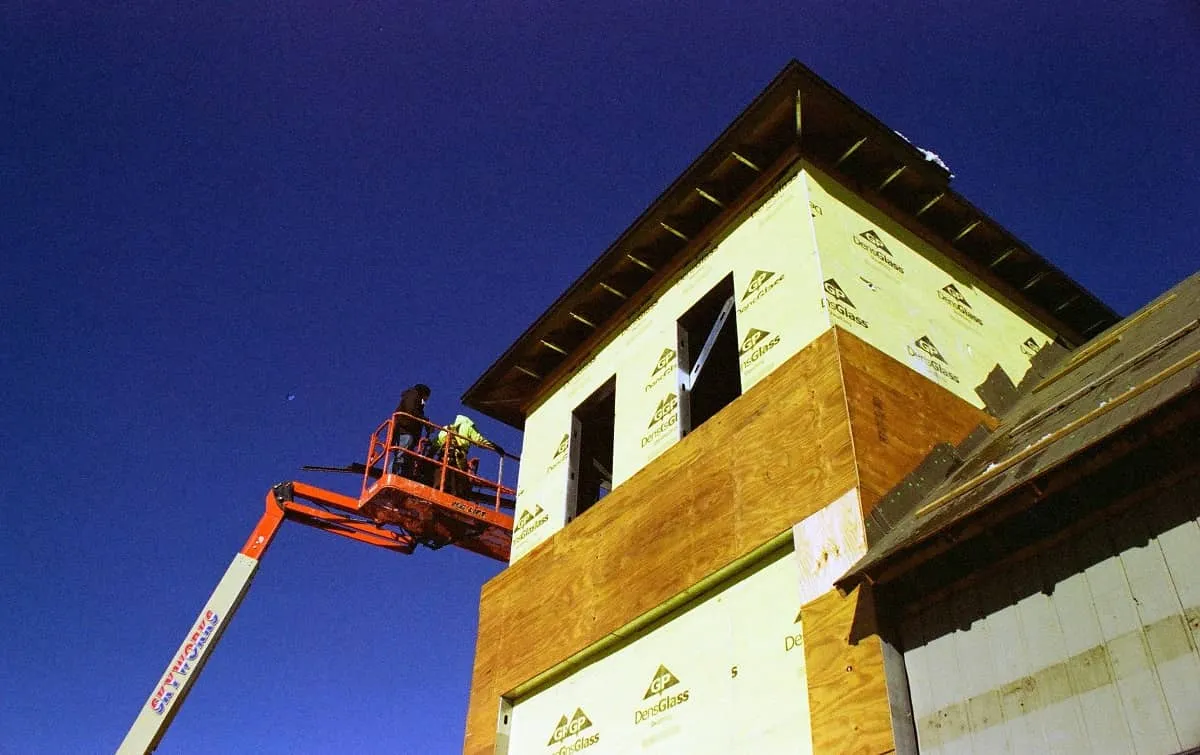
House Extension Planning Objections Leeds
In Leeds, homeowners often seek to improve or expand their living space by building House Extension Planning Objections Whether it’s a single-storey kitchen extension, a loft conversion, or a double-storey addition, these projects can add significant value and comfort to your property. However, navigating the planning system can be complex, particularly when objections arise. Planning objections can delay or even prevent your proposed extension, making it essential to understand the process thoroughly. In this article, Charrette Law provides a comprehensive guide to house extension planning objections in Leeds, covering everything from understanding the reasons for objections, the formal processes involved, your rights as an applicant or objector, and expert advice on how to manage objections effectively.
Understanding the Leeds Planning System
Leeds City Council is responsible for managing and determining planning applications, ensuring that all building projects adhere to national and local planning policies. When you submit a house extension planning application in Leeds, your plans are assessed against the Local Development Framework, which sets out guidelines on issues such as design, environmental impact, and the protection of neighbours’ amenities.
As part of the planning process, your application will usually be advertised to neighbouring properties, giving them a chance to review and comment on your proposal. This is where the risk of planning objections arises. Neighbours, local community groups, and other stakeholders can submit objections if they believe your extension will negatively affect them or the wider area.
Common Grounds for Planning Objections in Leeds
Anyone can submit a planning objection, but Leeds City Council will only consider specific, planning-related issues. Common grounds for house extension planning objections in Leeds include:
- Loss of Light or Overshadowing: Nearby residents may object if your extension blocks sunlight to their homes or gardens.
- Loss of Privacy: Windows or balconies facing their properties may raise objections about potential overlooking.
- Out of Character: Extensions that don’t match the existing streetscape or aesthetic of the neighbourhood may be challenged.
- Overdevelopment: Concerns that the extension is too large for the plot, leading to overcrowding or a cramped appearance.
- Noise and Disturbance: Large extensions, especially if used for business purposes, could generate more noise and traffic.
- Impact on Trees or Wildlife: Proposals that threaten mature trees or protected species may trigger objections from local or national groups.
- Parking and Highway Safety: Increased demand for on-street parking or a new access point may cause objections.
- Historical or Conservation Impact: Extensions in or near listed buildings or conservation areas are subject to stricter controls.
Personal issues, such as a decrease in property value or loss of a view, are generally not relevant in the planning process.
The House Extension Planning Application Process in Leeds
Before any objections become relevant, you must submit a house extension planning application to Leeds City Council, either online via the Planning Portal or directly. Before submission, it is wise to confirm whether your extension qualifies as permitted development; if it does, objections are unlikely, as formal planning permission isn’t required.
Once you’ve submitted your application, the following steps are typical:
- Validation: The planning authority checks the application for completeness.
- Consultation: Neighbours and statutory consultees are notified. The plans are made public, and a formal consultation period (usually 21 days) begins.
- Objections and Comments: Interested parties can submit objections or letters of support, citing planning grounds.
- Assessment: A planning officer reviews all comments and assesses the proposal against local and national policy.
- Determination: The Council makes a decision, granting or refusing permission, possibly with conditions attached.
How to Submit a Planning Objection in Leeds
If you wish to object to a house extension planning proposal in Leeds, you should ensure your objection is focused on material planning considerations. The best way to do this is by submitting your comments online via the Leeds City Council planning portal, quoting the relevant application reference number.
- Be concise but specific about how the proposal affects you.
- Reference relevant planning policy where possible (e.g., Leeds UDP or Core Strategy policies).
- Focus on factual impacts to light, privacy, character, traffic, etc.
- Avoid using subjective or emotive language; the planning officer will only consider valid planning reasons.
- Submit your objection within the consultation period (typically 21 days).
Multiple objections can be submitted, but the substance of the arguments is more important than the number of objections.
Responding to Planning Objections as an Applicant
If you are the applicant and receive objections to your house extension planning application in Leeds, it is important to respond cohesively and professionally:
- Carefully review each objection and assess whether there are recurring themes or significant concerns.
- If possible, amend your plans to address the most serious or widespread issues (e.g., adjust window placements, reduce height, enhance screening).
- Prepare a written response to the planning officer outlining how your revised plans mitigate objectors’ concerns.
- Engage a specialist (architect, planning consultant, or solicitor like Charrette Law) for technical or complex objections.
The Council may request further information or revised plans if objections raise serious planning issues.
Role of Charrette Law in Navigating Planning Objections
At Charrette Law, we specialise in property and planning law across Leeds and Yorkshire. Our team has extensive experience representing both applicants facing objections and neighbours seeking to object to house extension proposals. We can:
- Advise applicants on proactively minimising the risk of objections during the design and pre-application stages.
- Draft, submit, and present formal objections on behalf of neighbours, ensuring every point raised links to planning policy.
- Liaise with Leeds City Council planning officers to clarify technical details or negotiate compromises.
- Represent clients at planning committee meetings or on appeal if disputes are not resolved at the officer level.
- Prepare legal arguments when material, such as rights to light, boundary disputes, or restrictive covenants, overlap with the planning process.
Our clients appreciate clear, strategic advice that balances planning law with neighbourly relations and practical outcomes.
Navigating House Extension Planning Objections in Leeds
House extension planning objections in Leeds are a common and often unavoidable part of the planning process. Whether your proposal involves a modest rear extension or a more ambitious double-storey development, objections from neighbours or concerns raised by Leeds City Council can significantly influence the outcome of your application.
However, objections do not automatically mean refusal. In many cases, they highlight specific issues—such as privacy, overshadowing, design impact, or parking pressure—that can be addressed through thoughtful revisions, clearer supporting evidence, or additional technical reports. The key to a successful outcome is understanding that planning decisions are based on material planning considerations, not personal preferences or subjective disagreements.
For applicants, the most effective approach is to engage early with the planning process, prepare high-quality drawings, and respond constructively to concerns rather than defensively. Where objections are raised, addressing each point directly with reference to planning policy and practical mitigation measures often makes a decisive difference.
For more complex or contentious applications, professional guidance can be invaluable. Specialists such as Charrette Law can help interpret planning policies, refine proposals, and present a strong case either at the decision stage or through appeal if necessary.
Ultimately, while objections can feel like a setback, they are often a normal part of shaping better, more considered developments. With the right preparation and strategy, many refused or challenged house extension applications in Leeds can still be successfully resolved and brought to approval.