
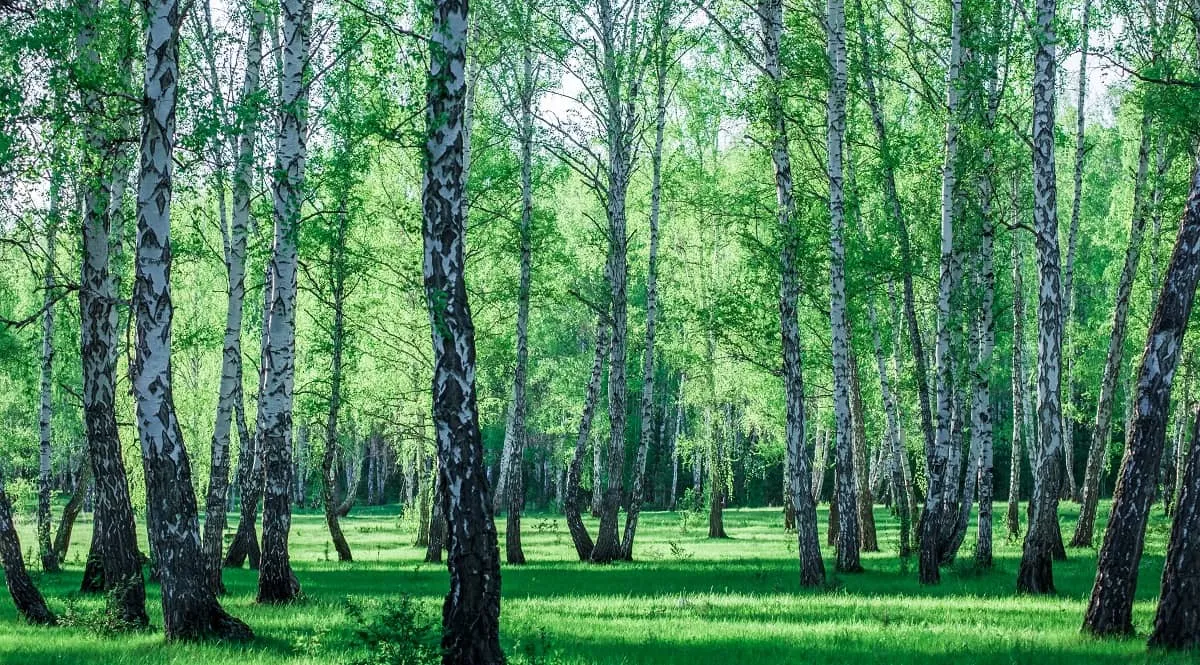
Introduction to Green Belt Policy
Green Belt policy is a cornerstone of the UK planning system, introduced in the 1950s to prevent urban sprawl and safeguard the countryside around major towns and cities. By protecting openness, preserving the setting of historic settlements, and encouraging urban regeneration, the Green Belt plays a central role in development management and planning decision-making.
As housing demand, infrastructure pressures, and environmental priorities intensify, Green Belt policy has come under increasing scrutiny. Proposals within the Green Belt face strict controls, particularly where development is deemed “inappropriate” unless justified by very special circumstances.
This article examines the purpose of Green Belt designation, the concept of harm to openness, and the legal and policy framework governing very special circumstances, with particular focus on design quality, heritage assets, and environmental considerations.
The Purpose of the Green Belt Policy
Green Belt policy was established with a series of core purposes outlined in national planning documents such as the National Planning Policy Framework (NPPF). The primary objectives are:
- Checking the unrestricted sprawl of large built-up areas.
- Preventing neighbouring towns from merging into one another.
- Assisting in safeguarding the countryside from encroachment.
- Preserving the setting and special character of historic towns.
- Encouraging the recycling of derelict and other urban land.
These goals unite around a single principle: managing urban growth in a way that values our open spaces. The Green Belt acts as a “lung” for cities and a spiritual counterbalance to the relentless pace of urban life. However, these broad purposes are evolving as the pressures on land intensify. Housing shortages, infrastructure upgrades, and climate change prompts compel planning authorities and policymakers to revisit the Green Belt and consider how it can continue to serve both communities and the environment.
Green Belt and Design Considerations
Design is a critical component in the debate around Green Belt development. The policy was not created to ban development outright but to ensure that any permitted scheme is carefully justified, of exceptional quality, and highly sensitive to its context. Contemporary planning applications in the Green Belt, especially those proposing new housing or infrastructure projects, are subject to rigorous design scrutiny.
Key design principles for development in the Green Belt include:
- Integration with the landscape: Respect for the natural topography, field patterns, and views, especially where schemes might be visible from public rights of way or settle near valued landscapes.
- Scale and massing: New buildings must be proportionate to their setting, using traditional materials and forms or well-considered contemporary equivalents.
- Sustainable construction: Emphasis on minimal environmental footprint, energy efficiency, and use of recycled or local materials.
Local planning authorities encourage robust landscape and visual impact appraisals to ensure that any proposal will respect the existing openness, much of which contributes directly to the public’s enjoyment and access to the countryside. Green Belt development that meets design excellence thresholds can achieve planning permission in rare cases, most notably where a proposal is deemed to have “very special circumstances.”
Heritage Considerations in the Green Belt
The British countryside is not merely green space; it is often imbued with layers of heritage significance. Statutory heritage assets, such as listed buildings, scheduled monuments, conservation areas, and historic parks and gardens, frequently exist within the Green Belt boundaries. Additionally, locally important but unprotected assets such as traditional farmsteads, old lanes, and archaeological sites add character and context to rural landscapes.
Heritage assets are protected under planning law, but the Green Belt provides an additional buffer. Development proposals must demonstrate that they will not harm the historic significance or settings of heritage sites. Key considerations include:
- Setting: How does the new development affect the context and views of heritage assets?
- Character and appearance: Does the proposal contribute positively or negatively to the distinct rural or historic character?
- Archaeology: Has the potential for below-ground heritage been fully assessed?
Applying for development in the Green Belt often requires input from heritage consultants, who prepare Heritage Impact Assessments (HIA) alongside the necessary planning documentation. Such assessments emphasize sensitive site planning, innovative adaptive reuse, and the safeguarding of local distinctiveness, all while navigating the delicate balance between progress and preservation.
Environmental Considerations in the Green Belt
Environmental considerations are at the heart of Green Belt policy, reinforcing its role as a policy vehicle for sustainability. Green Belts protect wildlife habitats, watercourses, ancient woodlands, meadows, hedgerows, and biodiversity-rich environments near urban concentrations.
Development in the Green Belt must demonstrate clear environmental gains or, at the very least, avoid net harm through mitigation and compensation. Planners and environmentalists will ask:
- Will the proposal result in biodiversity net gain?
- Does it protect existing ecological networks, habitats, and species?
- Does it contribute to local climate resilience, such as flood mitigation or carbon sequestration?
- Are there adequate measures in place to prevent pollution, noise, or light disturbance?
Formal Environmental Impact Assessments (EIA) are required for larger or more sensitive proposals, detailing likely effects on flora, fauna, and landscape character. Innovative solutions, such as habitat creation, green infrastructure, and sensitive landscape restoration, can shape a more positive relationship between development and the existing environment.
The Notion of Harm in the Green Belt
“Openness” is the cardinal virtue at the heart of Green Belt policy, and any development proposal is judged by the harm it may do to this openness. Harm may be physical such as the encroachment of buildings onto open land or visual, through impacts on views, tranquillity, or the sense of separation between settlements.
Planners assess the following forms of Green Belt harm:
- Spatial harm: The physical reduction of undeveloped land.
- Visual harm: Negative impacts on the perception of openness, landscape, or skyline.
- Functional harm: Threats to the ability of the Green Belt to prevent urban sprawl or merge settlements.
Many proposals, especially those for new housing or commercial infrastructure, are refused on the grounds that they would amount to inappropriate development, causing significant harm to the Green Belt’s purposes. Even so, the definition of harm can be complex and contested, particularly where design solutions or mitigation can reduce negative effects.
Very Special Circumstances (VSC)
Despite its robust protections, Green Belt policy is not an absolute embargo. Planning applications that are “inappropriate” under normal policy requirements may still be permitted if they demonstrate “very special circumstances” (VSC). The concept of VSC is central to national policy and is rigorously scrutinized as a matter of law and planning practice.
Examples of circumstances that may constitute VSC include:
- Acute unmet housing need in an area with no reasonable alternatives.
- Major public infrastructure projects (e.g., new hospitals, schools, transport links) where there is no alternative site.
- Landscape or ecological enhancement: Proposals that deliver significant environmental benefits that outweigh harm.
- Heritage restoration and enhancement: Schemes that ensure the survival or public enjoyment of threatened heritage assets.
Establishing VSC requires a robust and detailed justification, stacking public benefits against the presumption against development. The courts and planning inspectors require evidence that the development is genuinely “special” and cannot reasonably be achieved elsewhere, and that the benefits clearly and substantially outweigh the harm to the Green Belt.
Demonstrating Very Special Circumstances in the Green Belt
Green Belt policy remains one of the most restrictive and heavily scrutinised areas of the planning system. The presumption against inappropriate development is firmly embedded within the National Planning Policy Framework, and substantial weight must always be given to the harm to openness and to the purposes of including land within the Green Belt.
Where development is proposed, the planning balance is exacting. Applicants must clearly identify all forms of Green Belt harm spatial, visual, and functional and demonstrate that any other harm is outweighed by compelling and evidenced Very Special Circumstances. Whether based on unmet housing need, critical infrastructure, heritage restoration, or significant environmental enhancement, the justification must be robust, site-specific, and legally defensible.
Green Belt refusals are common, and poorly structured cases frequently fail at appeal. Early strategic advice is therefore essential. A carefully assembled planning strategy supported by landscape evidence, heritage impact assessment, environmental analysis, and policy alignment can materially strengthen the prospects of success and mitigate enforcement or litigation risk.
Contact Charrette Law for specialist advice on Green Belt development, Very Special Circumstances strategy, planning appeals, enforcement defence, and judicial review. Our planning solicitors provide clear, evidence-led guidance to navigate Green Belt policy and secure legally robust outcomes for complex and sensitive sites.