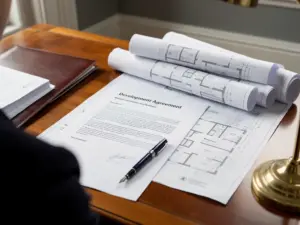
Introduction to Change of Use Planning Permission in London
Change of use planning permission in London is a crucial aspect of property development, investment, and business operations. Navigating the specific requirements and regulations associated with changing a property’s use class is essential to avoid legal complications and unnecessary delays. Whether you’re a developer, homeowner, landlord, or business owner, understanding when and how to obtain change of use planning permission in London can make all the difference in your project’s success. This comprehensive guide by Charrette Law explores every aspect of the process, the key legislation, common pitfalls, and the expert legal support available for change of use planning permission in London.
Understanding Use Classes in London
The foundation of change of use planning permission in London lies in the ‘use class’ system, which categorises properties based on their current and permitted uses. The Town and Country Planning (Use Classes) Order 1987 (as amended) forms the legal basis of this system. In London, use classes play a vital role in planning policies and the character of neighbourhoods.
The most common use classes include:
- Class E: Commercial, business and service uses (shops, offices, cafés, gyms etc.)
- Class C3: Residential dwellings
- Class C4: Houses in multiple occupation (HMOs) for 3-6 people
- Sui Generis: Unique or sui generis uses not covered in main classes (pubs, betting shops, nightclubs etc.)
The introduction of the amended Use Classes Order in September 2020 significantly changed the landscape, particularly with the creation of the new Class E and the reorganisation of previous classes.
When is Change of Use Planning Permission Required?
Not all changes of use require planning permission. In some cases, you can change a property’s use under ‘permitted development rights’, meaning you do not need formal planning permission. However, certain types of change, especially those with a significant impact on the neighbourhood (like moving from retail to residential), always require a planning application.
Here are typical scenarios that require change of use planning permission in London:
- Changing from commercial to residential use (e.g., office to flats)
- Converting a single dwelling into an HMO
- Changing use from retail to restaurant or takeaway
- Switching from industrial to storage or vice versa
- Moving to or from a ‘sui generis’ use
If your proposed change falls within the same use class or is allowed under permitted development, you may not need planning permission; however, it’s essential to check with your local planning authority for confirmation.
The Role of Local Planning Policy
London’s 32 boroughs and the City of London each have local planning authorities (LPAs) responsible for determining planning applications, including change-of-use requests. The London Plan, prepared by the Mayor of London, provides strategic planning policy guidance, but each borough has its own Local Plan aligned with specific needs and goals.
Some boroughs restrict permitted development rights in “Article 4 Directions” zones, meaning that even changes usually exempt require formal permission. For example, several boroughs have implemented Article 4 Directions to prevent the loss of office space to residential use in designated commercial areas, aiming to protect employment hubs and the character of local communities.
Permitted Development Rights and Prior Approval
Permitted development rights (PDR) allow certain changes of use without a full planning application. Since 2013, the UK government has expanded these rights to encourage regeneration and increase housing supply.
Some popular changes of use covered by PDR in London include:
- Office to residential use (subject to prior approval)
- Retail to residential (with limitations)
- Commercial, business and service uses within Class E to residential
However, many PDR schemes require a ‘prior approval’ process, where the council assesses issues like:
- Transport and highway impacts
- Contamination risks
- Flooding risks
- Noise impact
- Provision of adequate natural light for residential units
In conservation areas, listed buildings, or zoned areas under Article 4 Direction, permitted development rights may not apply, and full planning permission will be required.
Applying for Change of Use Planning Permission in London
The process for obtaining change of use planning permission in London involves several key steps:
- Pre-Application Advice: Engage with the local planning authority for initial guidance. Many councils offer formal pre-application services to help identify issues early.
- Preparing Your Application: You’ll need a completed application form, site location plan, existing and proposed floor plans, supporting evidence (such as a Planning Statement), and the appropriate planning fee.
- Consultation and Public Notices: The planning authority may consult with neighbours and relevant statutory bodies and sometimes post public notices.
- Consideration by the Planning Authority: The authority assesses the application against local and national planning policies, material considerations (such as transport, amenity, and impact on neighbours), and any objections received.
- Decision Notification: Local authorities aim for a decision in 8 weeks (or 13 weeks for large schemes), but complex cases, especially in central London, can take longer.
- Handling Conditions: Permission may be granted subject to specific conditions (such as restrictions on opening hours or works to protect heritage features).
Applicants unhappy with the decision can lodge an appeal to the Planning Inspectorate.
Common Change of Use Scenarios in London
London’s property market is dynamic and diverse. Here are popular change of use cases in London and key points to consider:
Commercial to Residential
Converting offices, shops, or light industrial spaces into residential units is increasingly popular, especially in areas with high housing demand. While PDR can sometimes streamline this process, accommodation standards (such as space requirements and access to natural light) apply, in addition to the housing mix and affordable housing obligations set by boroughs.
Retail to Restaurant/Café
Changing from a retail unit (shop) to a restaurant or café often requires careful consideration of amenity issues for nearby residents (such as noise, odour, and opening hours), as well as compliance with environmental health standards. In some cases, this change may be allowed within the same use class (Class E), but larger interventions will require planning permission.
Residential to HMO (House in Multiple Occupation)
Converting a house to an HMO introduces strict licensing requirements in addition to planning permission. Many boroughs have Article 4 Directions removing PDR for these changes, requiring a full planning application to manage the concentration and impact of HMOs in certain areas.
Sui Generis Uses (Nightclubs, Betting Shops, Takeaways)
Sui generis use changes are complex and almost always require full planning permission, as these uses can have significant community impacts. Boroughs’ planning policies are often very restrictive to protect the character and amenities of local areas.
Key Considerations and Supporting Evidence
When preparing a change of use planning permission application in London, providing robust supporting evidence is crucial:
- Planning Statement: Sets out the rationale for the proposal and demonstrates compliance with relevant planning policies.
- Transport Assessment: Required if the change could impact parking or local traffic.
- Noise Impact Assessment: Especially important for proposals like restaurants, late-night venues, or entertainment uses.
- Flood Risk and Environmental Assessments: Required in flood-prone areas or for certain industrial-to-residential conversions.
- Design and Access Statement: Especially for listed buildings, conservation areas, or proposals affecting the public realm.
- Heritage Statement: If the site involves a listed building or is within a conservation area.
- Affordable Housing and Community Impact Statements: For larger or residential-led schemes, especially as required by local planning policies.
Navigating Change of Use Planning Permission in London
Change of use planning permission in London can be a complex process, particularly given the evolving planning landscape, local borough policies, Article 4 Directions, and the increasing demand for residential and mixed-use developments across the capital. Whether converting commercial premises into residential units, changing a property into an HMO, or moving between retail, restaurant, or sui generis uses, understanding the applicable use classes and planning requirements is essential to avoid delays, refusals, or potential enforcement action.
As outlined throughout this guide, each London borough applies its own planning policies alongside the wider London Plan and national legislation. This means that even where permitted development rights may appear to apply, restrictions, prior approval requirements, or local planning controls can significantly affect the outcome of your proposal. Proper preparation, including planning statements, supporting assessments, and early professional advice, can greatly improve the likelihood of securing approval while ensuring compliance with both local and national planning policy.
Contact Charrette Law today to discuss your change of use planning permission requirements in London with our experienced planning specialists. We provide expert advice on planning applications, permitted development rights, Article 4 restrictions, HMOs, commercial-to-residential conversions, and planning appeals, helping property owners, developers, landlords, and businesses navigate the planning process with confidence.