Party Wall Agreement: Everything You Need to Know Before Starting Building Work
Planning an extension, loft conversion, basement excavation, or other structural works can be an exciting step. However, if your proposed development affects a shared wall or is close to a neighbouring property, you may have legal responsibilities under the Party Wall etc. Act 1996.
One of the most common questions homeowners ask is:
“Do I need a Party Wall Agreement?”
The answer depends on the type of work you intend to carry out and whether it falls within the scope of the Act. Failing to follow the correct legal procedures could delay your project, damage your relationship with your neighbours, and even result in legal action.
At Charrette Law, we advise homeowners, developers, landlords, and commercial property owners on all aspects of the Party Wall etc. Act 1996. Whether you’re planning construction work, have received a Party Wall Notice, or are involved in a neighbour dispute, our experienced property lawyers can provide practical legal advice tailored to your circumstances.
This guide explains what a Party Wall Agreement is, when one may be required, and how obtaining legal advice early can help your project progress smoothly.
What Is a Party Wall Agreement?
A Party Wall Agreement is the term commonly used to describe the formal arrangements made between neighbouring property owners when certain building works are proposed under the Party Wall etc. Act 1996.
Although many people refer to it as a “Party Wall Agreement,” the formal legal document produced under the Act is usually known as a Party Wall Award.
The agreement helps establish how the proposed works will be carried out while protecting the rights of both the building owner and the adjoining owner.
It aims to minimise disputes by setting out matters such as:
- The nature of the proposed works.
- Access arrangements.
- Working hours.
- Protective measures during construction.
- The condition of the neighbouring property before work begins.
- Procedures for dealing with any damage caused by the works.
At Charrette Law, we regularly advise clients who are unsure whether they require a Party Wall Agreement or how the legal process works. Obtaining advice before construction begins can help avoid delays and reduce the risk of costly disputes.
When Do You Need a Party Wall Agreement?
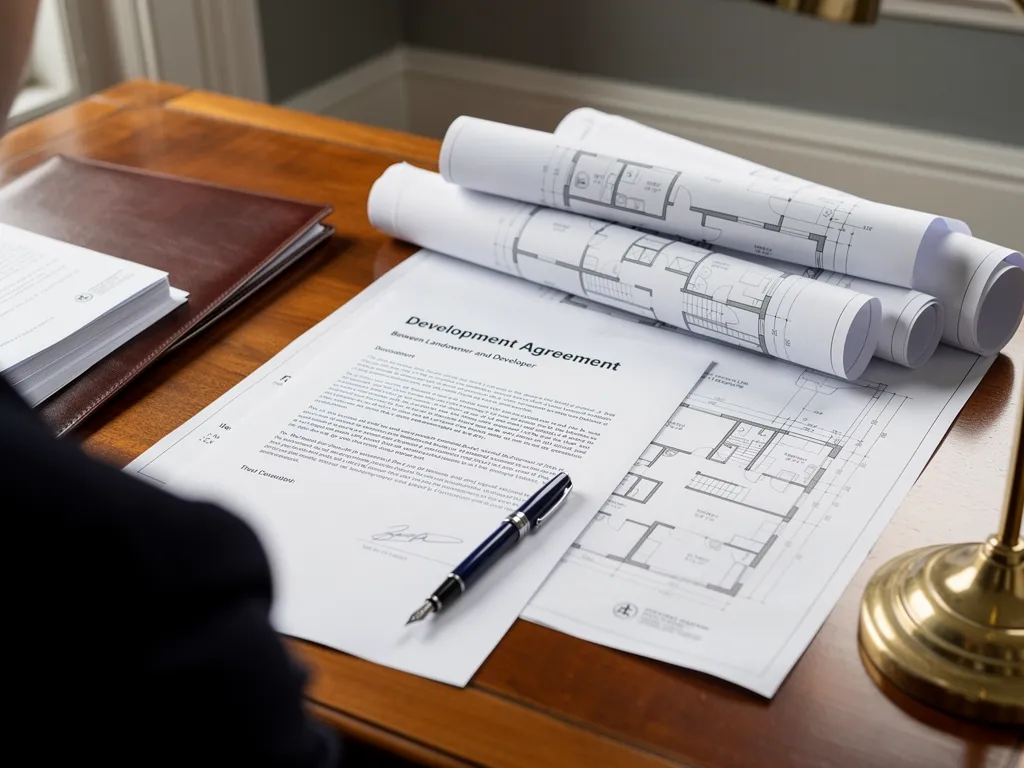
A Party Wall Agreement may be required if your proposed works fall within the scope of the Party Wall etc. Act 1996.
Common examples include:
- Building a new wall on or close to the boundary line.
- Cutting into a party wall.
- Removing part of a shared wall.
- Raising or rebuilding a party wall.
- Excavating near neighbouring foundations.
- Basement construction.
- Loft conversions involving structural alterations.
- Large home extensions.
Not every building project requires a Party Wall Agreement, but where the Act applies, following the correct legal process is essential.
At Charrette Law, we help clients determine whether their proposed works are covered by the Act and advise on the legal obligations that arise before construction begins.
Planning Building Works?
Before starting construction, it’s important to understand whether your project requires compliance with the Party Wall etc. Act 1996.
At Charrette Law, our experienced property lawyers advise clients on Party Wall Agreements, Party Wall Notices, neighbour disputes, and related legal issues, helping projects progress with confidence while reducing the risk of unnecessary delays.
Contact Charrette Law today to discuss your project with one of our experienced property lawyers.
Is a Party Wall Agreement a Legal Requirement?
Where the Party Wall etc. Act 1996 applies; property owners are legally required to follow the procedures set out in the legislation before carrying out certain works.
This usually involves serving a Party Wall Notice on the adjoining owner.
If your neighbour provides written consent, your project may proceed without the need for surveyors to prepare a Party Wall Award.
However, if they object or fail to respond within the required time, the Act requires a dispute resolution procedure involving one or more Party Wall Surveyors.
Ignoring these legal requirements can expose property owners to significant risks, including delays to construction and potential legal proceedings.

At Charrette Law, we help clients understand their obligations under the Party Wall etc. Act 1996 and advise on the most appropriate legal steps before work begins.
Party Wall Agreement vs Party Wall Award
Many homeowners use the terms Party Wall Agreement and Party Wall Award interchangeably, but there is an important distinction.
A Party Wall Agreement generally refers to the overall understanding between neighbouring owners regarding proposed works.
A Party Wall Award is the formal legal document prepared by the appointed surveyor or surveyors when a dispute arises under the Party Wall etc. Act 1996.
The Award sets out:
- The works that may be carried out.
- How should the work be undertaken?
- Measures to protect neighbouring property.
- Access arrangements.
- Procedures for addressing any damage caused during construction.
Understanding this distinction can help property owners navigate the process more confidently and avoid confusion when discussing their project with surveyors or legal advisers.
At Charrette Law, we advise clients on both Party Wall Agreements and Party Wall Awards, ensuring they understand their legal rights and obligations throughout the process.
What Is a Party Wall Notice?
Before many works covered by the Act can begin, the building owner must serve a Party Wall Notice on the adjoining owner.
The notice explains:
- The proposed works.
- The property affected.
- When the works are intended to begin.
- The relevant provisions of the Party Wall etc. Act 1996.
The adjoining owner will usually have the opportunity to:
- Consent to the proposed works.
- Object to the works.
- Request the appointment of surveyor(s).
Serving an incorrect notice or failing to serve one at all can delay construction and increase the likelihood of legal disputes.
At Charrette Law, we provide advice on Party Wall Notices and help clients ensure they comply with the legal requirements before commencing building work.
What Happens If Your Neighbour Objects?
Many homeowners worry that if their neighbour objects to the proposed works, the project cannot go ahead. Fortunately, this is not necessarily the case.
If your neighbour does not consent to the Party Wall Notice or fails to respond within the statutory period, the Party Wall etc. Act 1996 treats this as a dispute. However, this does not mean the matter immediately goes to court.
Instead, the Act provides a structured process for resolving the disagreement.
Depending on the circumstances:
- Both parties may agree to appoint a single Agreed Surveyor.
- Each property owner may appoint their own Party Wall Surveyor.
- If two surveyors are appointed, they will select a Third Surveyor to resolve any issues they cannot agree upon.
The appointed surveyor or surveyors will prepare a Party Wall Award, which sets out how the works should proceed while protecting the interests of both parties.
At Charrette Law, we regularly advise clients whose neighbours have objected to proposed works. We help clients understand their legal position, protect their rights, and resolve disputes as efficiently as possible.
What Does a Party Wall Award Include?
A Party Wall Award is a legally binding document that governs how building works should be carried out once a dispute has arisen under the Party Wall etc. Act 1996.
Although every Award is different, it will typically include:
- A description of the proposed works.
- The agreed method of construction.
- Working hours.
- Access arrangements.
- Protective measures to minimise disruption.
- A Schedule of Condition recording the condition of the neighbouring property before work begins.
- Procedures for dealing with any damage caused during construction.
The purpose of the Award is to balance the rights of the building owner with those of the adjoining owner, reducing the likelihood of future disputes.
Where disagreements arise over the contents of an Award or how it should be interpreted, Charrette Law can provide practical legal advice and representation.
Common Party Wall Agreement Disputes
While the Party Wall etc. Act 1996 is designed to prevent disputes; disagreements can still arise.
Some of the most common issues include:
- Failure to serve a valid Party Wall Notice.
- Disputes over whether the Act applies.
- Objections to the proposed works.
- Disagreements regarding the appointment of surveyors.
- Allegations of damage to neighbouring property.
- Refusal to allow access where permitted under the Act.
- Challenges to the contents of a Party Wall Award.
- Boundary disputes connected with Party Wall works.
Many of these issues can be resolved without court proceedings if addressed promptly.
At Charrette Law, we assist clients in negotiating practical solutions and, where necessary, represent them in formal legal proceedings to protect their interests.
What Happens If You Ignore the Party Wall Agreement Process?
Ignoring the requirements of the Party Wall etc. Act 1996 can have serious legal and financial consequences.
Some property owners mistakenly assume that because they own their property, they are free to carry out works without notifying their neighbours. Unfortunately, this is not always the case.
Failing to comply with the Act may result in:
- Delays to your building project.
- Injunctions preventing work from continuing.
- Claims for compensation if a neighbouring property is damaged.
- Legal disputes with adjoining owners.
- Additional legal and construction costs.
- Difficulties when selling the property in the future if disputes remain unresolved.
Seeking legal advice before work begins is almost always more cost-effective than resolving disputes after construction has started.
At Charrette Law, we help clients understand their obligations under the Party Wall etc. Act in 1996 and take proactive steps to minimise legal risks.
Why Legal Advice Matters
Although Party Wall Surveyors play an important role in administering the procedures under the Party Wall etc. In 1996, there were situations where legal advice was equally important.
For example, you may need legal advice if:
- The validity of a Party Wall Notice is challenged.
- There is disagreement over ownership or boundaries.
- Significant property damage has occurred.
- An injunction is threatened or issued.
- A Party Wall Award is disputed.
- The dispute extends beyond the Party Wall Act into wider property law issues.
We’ve worked with clients who initially believed their matter was simply a disagreement with a neighbour, only to discover that the issues involved property rights, boundary disputes, or potential court proceedings. Obtaining legal advice early often helps resolve matters more efficiently and reduces the risk of costly litigation.
At Charrette Law, we provide practical legal advice tailored to your specific circumstances, helping you protect both your property and your project.
Why Choose Charrette Law?
Party Wall matters can quickly become more complex than many property owners expect. While the statutory process is designed to encourage cooperation, disputes over notices, surveyors, boundaries, property damage, and legal rights are not uncommon.
At Charrette Law, we provide clear, commercially focused legal advice to homeowners, developers, landlords, and businesses throughout every stage of the Party Wall process.
Our services include:
- Advice on the Party Wall etc. Act 1996.
- Reviewing Party Wall Notices.
- Advising on Party Wall Agreements and Awards.
- Resolving neighbour disputes.
- Representation in Party Wall litigation.
- Boundary dispute advice.
- Property law advice linked to construction projects.
- Strategic legal advice before building work begins.
Every property is different, and every project presents its own legal considerations. Our approach is to provide straightforward advice that helps clients move forward with confidence while reducing unnecessary legal risks.
Speak to Charrette Law Before Starting Your Building Project
Whether you’re planning a home extension, loft conversion, basement excavation, or another project that could affect an adjoining property, understanding your legal obligations under the Party Wall etc. Act 1996 is essential.
At Charrette Law, we advise clients before work begins, helping them understand whether a Party Wall Agreement is required, reviewing legal documentation, resolving disputes, and protecting their interests throughout the construction process.
If you’ve received a Party Wall Notice, need advice before serving one, or are involved in a dispute with a neighbouring owner, our experienced property lawyers are here to help.
Contact Charrette Law today to arrange a consultation and receive clear, practical legal advice tailored to your project.
Frequently Asked Questions
Is a Party Wall Agreement legally required?
If your proposed works fall within the scope of the Party Wall etc. Act 1996, you must follow the procedures set out in the legislation. This usually begins with serving a Party Wall Notice on the adjoining owner.
Can my neighbour refuse a Party Wall Agreement?
Your neighbour can object to the proposed works or decline to give consent. If this happens, the Act provides a formal dispute resolution process involving the appointment of one or more Party Wall Surveyors. An objection does not necessarily prevent your project from proceeding.
What is the difference between a Party Wall Agreement and a Party Wall Award?
A Party Wall Agreement is the commonly used term for the arrangements between neighbouring owners regarding proposed works. A Party Wall Award is the formal legal document prepared by appointed surveyor(s) when a dispute arises under the Act.
Do I need a Party Wall Agreement for a loft conversion?
Possibly. If your loft conversion involves structural works to a shared wall or other works covered by the Party Wall etc. Act 1996, you may need to serve a Party Wall Notice and comply with the statutory procedures.
What happens if I start work without a Party Wall Agreement?
If the Act applies and you fail to comply with its requirements, your neighbour may seek legal remedies, including an injunction to stop the works or compensation for any damage caused.
Can a Party Wall Award be challenged?
Yes. In certain circumstances, a Party Wall Award can be appealed through the courts. Strict time limits apply, so it is important to seek legal advice promptly if you believe an Award is incorrect or unfair.
What if my neighbour’s building work damages my property?
If neighbouring construction causes damage to your property, you may have legal rights under the Party Wall etc. Act 1996 or through other areas of property law. Seeking legal advice early can help protect your position and identify the most appropriate remedy.
How can Charrette Law help?
At Charrette Law, we advise homeowners, landlords, developers, and businesses on every aspect of the Party Wall etc. Act 1996. Whether you need advice before starting construction, have received a Party Wall Notice, or are involved in a Party Wall dispute, our experienced property lawyers can provide practical legal guidance and representation tailored to your needs.