
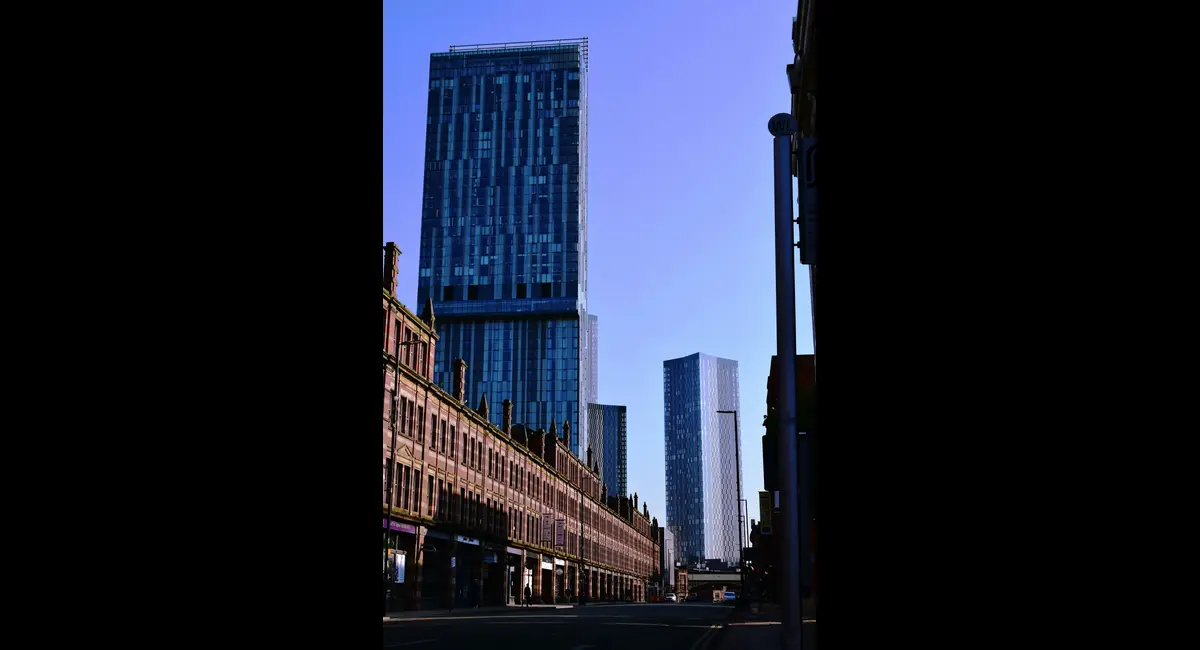
If you’re a Birmingham homeowner contemplating increasing your living space, embarking on a house extension can be an exciting journey. However, before starting any construction, understanding the requirements for house extension planning permission in Birmingham is crucial to ensure your project runs smoothly, avoids costly pitfalls, and remains legally compliant. This comprehensive guide from Charrette Law will help demystify the planning permission process, outline the legal considerations unique to Birmingham, and provide practical advice to ensure your house extension meets all local council regulations.
What is House Extension Planning Permission?
Planning permission is official consent granted by your local planning authority, in this case Birmingham City Council, for the construction or modification of a property. Essentially, it is a legal requirement intended to control development, ensure structures are safe, sustainable, and in harmony with the local environment. Most modest house extensions fall within what’s known as Permitted Development Rights (PDR). However, many projects in Birmingham, due to size, design, or location, may require formal planning permission before any work can start.
Why is Planning Permission Necessary for House Extensions in Birmingham?
Birmingham is a city characterised by a rich architectural heritage and vibrant communities. Local planners seek to balance modern living needs with the preservation of neighbourhood character. House extension planning permission in Birmingham ensures:
- Extensions are in keeping with the local building style and historic character.
- Neighbouring properties’ rights to light, privacy, and amenity are respected.
- High construction and safety standards are maintained.
- The impact on local infrastructure is considered.
Failure to secure the correct permission can result in enforcement action, costly modifications, or even demolition.
Permitted Development Rights vs Planning Permission for House Extensions
Many house extensions in Birmingham may not require full planning permission, provided they comply with Permitted Development Rights (PDR). These national rights allow homeowners to extend their homes within certain size and design parameters without formal approval. However, there are strict limits:
- Extensions should not cover more than half the garden.
- For detached houses: rear extensions no more than 4 metres in depth; for semi-detached/terraced houses: no more than 3 metres.
- Maximum height of single-storey extensions: 4 metres.
- Extensions must not extend beyond the principal elevation or front of the house.
- Materials must be similar in appearance to the existing house.
- No balcony, platform, or raised terrace without a separate application.
- Affecting a listed building, conservation area, or being subject to previous permissions may remove PDR.
If your extension does not fit these criteria, formal house extension planning permission Birmingham will be necessary.
When is Planning Permission Required for House Extensions in Birmingham?
You will likely need planning permission for your house extension in Birmingham if:
- Your extension exceeds permitted development size limits or alters the principal elevation.
- Your house is in a conservation area or is a listed building.
- You plan to build near boundaries, potentially affecting neighbours’ amenities.
- The project involves a significant change of use or the construction of multiple stories.
- The extension’s design departs significantly from the local character.
Always consult Birmingham City Council or a legal professional (such as Charrette Law) if in doubt.
Special Considerations in Birmingham: Conservation Areas, Listed Buildings, and Article 4 Directions
Birmingham is home to several conservation areas and many listed buildings. These protected zones are subject to stricter controls:
- Conservation Area Consent: Extensions in these areas demand designs that respect historical and architectural significance. Materials, size, and siting are strictly controlled.
- Listed Building Consent: Any internal or external modifications to a listed property require both planning permission and listed building consent.
- Article 4 Directions: In some Birmingham neighbourhoods, the City Council removes permitted development rights (e.g., Moseley, Harborne, Jewellery Quarter). Here, even minor changes may need permission.
Failure to comply can lead to enforcement and severe penalties.
Stages of the Planning Permission Process in Birmingham
Applying for house extension planning permission in Birmingham involves several key stages:
- Pre-Application Advice: Birmingham City Council offers a paid service to review your plans ahead of submission. This can streamline the process and flag potential issues early.
- Prepare Application Materials: These will include architectural drawings, location plans, Design & Access Statements, and details about neighbours or affected parties.
- Submit Your Application: Applications are made online via the Planning Portal. Pay the correct fee (see Birmingham’s fee schedule).
- Notification & Consultation: The Council advertises your project. Neighbours and local stakeholders may be invited to comment.
- Assessment: Planning officers assess the application, considering local policies, neighbour comments, and national guidelines.
- Decision: You typically receive a decision within 8 weeks for straightforward cases, longer for complex or contentious proposals.
- Appeals Process: If refused, you have the right to appeal. Charrette Law can assist in preparing your case and submissions to the Planning Inspectorate.
Key Documents Required for a House Extension Planning Permission Application
A typical house extension planning permission Birmingham application will require:
- Duly completed application forms (via Planning Portal)
- Scaled floor plans, elevations, and location plans
- Design & Access Statement (explains rationale, sustainability, and accessibility)
- Block plan showing context and relationship to boundaries/neighbours
- Ownership Certificates and Agricultural Holdings Certificates
- Application fee receipt
- Heritage impact assessments (if applicable)
- Supporting photographs and visualisations
Incomplete or inaccurate submissions are the main cause of delays. Engage a professional to avoid costly mistakes.
Here is a clean continuation in the same style and format, finishing your article properly:
Securing Success in House Extension Planning Permission in Birmingham
Securing house extension planning permission in Birmingham requires a clear understanding of local planning policies, design expectations, and the sensitivities of surrounding neighbourhoods. While many extensions fall within permitted development rights, a significant number still require formal planning approval due to scale, location, or design complexity.
A successful application is rarely accidental—it is the result of careful preparation, well-drafted plans, and early consideration of key planning issues such as neighbour amenity, parking, daylight, and the character of the surrounding area. Where proposals are refined and properly supported with clear documentation, approval is far more likely.
If an application is refused, the planning appeal process offers an important opportunity to reassess the decision and present a stronger, policy-compliant case to the Planning Inspectorate.
With the right professional guidance and a strategic approach from the outset, homeowners can confidently navigate the planning system and bring their house extension projects in Birmingham to successful completion.
 Cover](https://charrettelaw.co.uk/wp-content/uploads/2026/07/v5-13142-section-0-hero_text-300x169.webp)
