
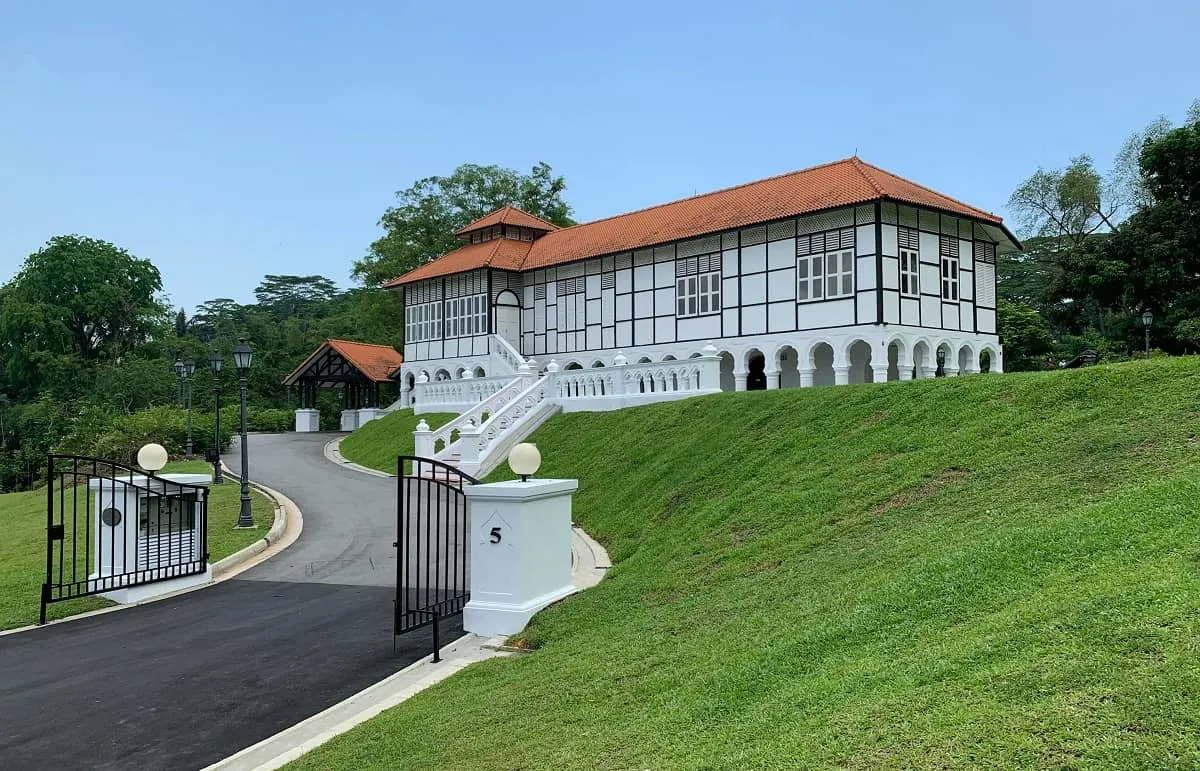
Embarking on a house extension project in Manchester is both exciting and potentially daunting, particularly when it comes to understanding the planning permission requirements. At Charrette Law, we recognise that securing house extension planning permission in Manchester can seem overwhelming, especially amidst complex regulations and evolving local policies. This comprehensive guide has been crafted to demystify the entire process, provide useful insights, and answer common questions so that your home improvement dreams become a reality without unnecessary legal or administrative headaches.
Understanding House Extension Planning Permission in Manchester
Before starting any construction work, it is essential to understand whether you’ll require house extension planning permission in Manchester. Planning permission serves to ensure that building projects are appropriate, safe, and in harmony with the local environment and community. While some extensions are considered Permitted Development (PD) and don’t require a formal application, many projects do not fall under this category, especially if you live in a conservation area, own a listed property, or are planning a significant transformation.
When is Planning Permission Required for House Extensions?
In Manchester, house extension planning permission is generally required if your proposed development:
- Exceeds specified dimension or height limits (e.g. more than 3 metres at the rear for a terraced house)
- Extends towards a road or beyond the principal elevation
- Occupies more than half the land around the original house
- Is located within a conservation area or involves a listed building
- Includes balconies, verandas, or raised platforms
- Increases the overall height of the property
If your project doesn’t meet all the stipulated conditions for Permitted Development, you must seek formal permission from Manchester City Council or the relevant local authority.
What Qualifies as Permitted Development in Manchester?
Permitted Development rights allow certain minor extensions and home alterations without applying for full planning permission. However, strict criteria must be met, relating to:
- The extension’s proximity to boundaries
- Total volume of extensions
- Height and depth restrictions (particularly for single and double-storey extensions)
- Material similarity to the existing house
For those in Manchester, always check if your rights have been removed under what’s known as an Article 4 Direction, which restricts permitted development in certain neighbourhoods—especially in conservation areas or for properties subject to additional planning controls.
Specific Rules for Different Types of Extensions
The planning rules in Manchester vary according to the type of extension you are considering:
- Single Storey Rear Extensions: Permitted up to 3 metres for terraced/semi-detached houses, or 4 metres for detached houses (in many cases).
- Side Extensions: Must be single-storey, cannot be wider than half the original house, and must not extend beyond the original house’s side elevation facing a highway.
- Double Storey Extensions: Subject to far stricter rules; will almost always require house extension planning permission in Manchester, especially concerning height, proximity to boundaries, and overall design impact.
- Loft Conversions and Dormers: Subject to their own rules. Most dormers at the rear are allowed under PD, but any changes at the front require permission.
Every plan should start with assessing these specific criteria.
Applying for House Extension Planning Permission in Manchester
If you determine that planning permission is required, the next steps involve:
- Pre-application Advice: Manchester City Council offers confidential pre-application planning advice, helping to shape your proposal before formal submission.
- Preparing Your Application: You’ll need to submit scaled plans, elevation drawings, Design and Access Statements, existing and proposed photographs, and information on building materials.
- Submitting the Application: Most applications can be completed online via the Planning Portal. Fees vary depending on the scale and type of development.
- Public Consultation: Local neighbours and other stakeholders may be consulted to give their views on your development.
- Decision: Council planning officers will assess whether your proposal complies with local policies and make a decision, typically within 8 weeks for straightforward residential extensions.
Common Reasons House Extension Planning Permission is Refused
Understanding why applications get refused can help you avoid common pitfalls. Common issues in Manchester include:
- Extensions being too large or overbearing for neighbours
- Loss of privacy due to overlooking windows or balconies
- Design and scale are not in keeping with the character of the area
- Negative impact on listed buildings or conservation areas
- Lack of adequate parking or amenity space
Consulting with planning specialists early can help mitigate the risk of refusals and save both time and money.
How Charrette Law Can Assist with House Extension Planning Permission in Manchester
Navigating the planning process can be challenging. Charrette Law offers comprehensive support if you plan a house extension in Manchester:
- Legal Advice: Detailed assessments of your home and proposals to establish whether planning permission or other consents are required.
- Application Support: Professional preparation and submission of your application, ensuring all relevant documents and statements are included and correct.
- Negotiation with Authorities: Engagement with planning officers and, if objections arise, representation during committee hearings or appeals.
- Planning Appeals: If your application is refused, Charrette Law can guide you through the appeal process, preparing statements and working with architects to revise proposals.
Our years of local planning expertise ensure you have the best chance of securing permission smoothly.
Neighbour Consultations and Party Wall Agreements
Securing house extension planning permission in Manchester is not the only consideration—major extensions may also trigger neighbour consultations or the need for a Party Wall Agreement. It’s good practice to consult with affected neighbours early, as their support can positively influence your application’s outcome and prevent disputes during construction. For work directly on or near boundary walls, you may require a Party Wall Notice and written consent.
Enhancing Your Chances of Approval
Here are key steps to improve your chances of receiving planning permission for your Manchester house extension:
- Pre-application Engagement: Consult both the planning office and your neighbours.
- Professional Plans: Hire an experienced architect and ensure your drawings are accurate and comply with council requirements.
- Evidence of Need: Provide clear justifications and, where possible, contextual photographs showing that your design is in keeping with the street scene.
- Design Quality: Use high-quality and sympathetic materials that blend with your home and neighbourhood character.
Taking these steps can help smooth the journey from proposal to approval.
Planning for Conservation Areas and Listed Buildings
Manchester is home to many conservation areas and properties of historical significance. If your property falls within these categories, additional regulations apply. You’ll likely need both planning permission and Listed Building Consent for any extension, regardless of size. Extensions in these areas must preserve or enhance the character and appearance of the locality, and proposals undergo rigorous evaluation. Consulting Charrette Law before commencing such projects can save you from significant setbacks down the line.
Securing House Extension Planning Permission in Manchester
House extension planning permission in Manchester requires careful consideration of local planning policies, design standards, and site-specific constraints. While many extensions fall within permitted development, a significant number still require full planning approval, particularly in conservation areas or where design and scale concerns arise. Understanding these requirements early helps reduce the risk of refusal and ensures a smoother planning journey.
Where permission is required, success often depends on the quality of the application, the strength of supporting documents, and how well the proposal aligns with Manchester City Council’s planning framework. Even where objections arise, a well-prepared and policy-compliant submission can significantly improve the likelihood of approval.
Contact Charrette Law today to discuss your house extension planning permission in Manchester. Our specialist planning team provides clear, strategic advice and expert support throughout the application process, helping you secure approval and move your project forward with confidence.