Introduction: The Strategic Role of Planning Consultants in the UK Objection Process
The field of town and country planning in the UK is complex, shaped by intricate policies and regulations that guide local and national development. Objecting to a planning application is a public right but often proves daunting for individuals, community groups, and even local councils. This is where the expertise of a planning consultant becomes invaluable. Leveraging the skills of a planning consultant for objection support in the UK can significantly strengthen community-led efforts to influence development control decisions. This comprehensive article delves into the strategic role of planning consultants, the advantages they bring to the table, and best practices for mounting successful objections against planning proposals.
Understanding the Planning System and the Need for Expert Objection Support
Before exploring how planning consultants enhance objections, it’s crucial to understand the structure of the UK planning system. Local Planning Authorities (LPAs) act as the gatekeepers for most planning decisions, guided by national frameworks such as the National Planning Policy Framework (NPPF) and local development plans. Planning applications can affect neighbours, heritage assets, the environment, and community infrastructure. The grounds for objecting must align with material planning considerations, including:
- Impact on local character and visual amenity
- Traffic, parking, and highway safety
- Noise, pollution, and environmental concerns
- Design, scale, and massing
- Effect on neighbouring properties (overlooking, overshadowing)
- Flood risk or loss of trees/place of nature
- Non-compliance with planning policy
Submitting an objection without a thorough understanding of material considerations and how to present them persuasively can severely limit its effectiveness. It is in addressing these issues that the planning consultant’s objection support UK service truly excels.
How Planning Consultants Analyse and Strengthen Objection Grounds
A planning consultant brings an expert eye, dissecting planning applications to uncover grounds for objection that might not be immediately apparent to a layperson. Their process typically involves:
- Document Analysis: Consultants scrutinise the application forms, plans, accompanying statements (such as Design and Access Statements, Environmental Impact Assessments), and supporting technical data. They identify potential discrepancies, omissions, or areas where the applicant’s case is weak.
- Policy Framework Assessment: A deep dive into relevant national, local, and sometimes neighbourhood policy tests whether the proposal breaches guidelines or strategic aims (for example, affordable housing provision, greenbelt status, or conservation area legislation).
- Technical Evidence Gathering: Where specialist assessments are needed – for example, traffic surveys, noise surveys, flood risk calculations – planning consultants recommend or commission investigations to underpin the objection with robust evidence.
- Identification of Precedent: Drawing on their knowledge of previous appeal decisions and case law, consultants can use established precedents to reinforce the validity of the objection.
Through this systematic approach, planning consultants ensure that every angle is covered, transforming a basic objection into a watertight argument grounded firmly in planning law and policy.
Drafting a Persuasive Objection: The Planning Consultant’s Expertise
The art of preparing an effective objection relies on clarity, precision, and planning literacy. Planning consultant objection support UK is especially valuable at this stage for ensuring objections are not only valid but also compelling. Key ways in which consultants add value include:
- Structuring the Objection: Consultants organise objections into logical sections: introduction and interest, summary of main concerns, detailed technical arguments, policy references, and a concise conclusion.
- Professional Language & Tone: Using the formal and objective language favoured by planners, they frame concerns in a way that aligns with statutory considerations and avoids emotive or irrelevant arguments.
- Use of Evidence: Every assertion is supported by data, photographs, comparative analysis, or referenced policy documents.
- Suggested Conditions: Where complete refusal is unlikely, consultants can propose planning conditions that might mitigate adverse effects.
The result is a document that resonates with planning officers, increases the likelihood of objections being taken seriously, and stands up to scrutiny at appeal if necessary.
Supporting Community Campaigns and Parish Councils
Many high-profile and contentious planning applications in the UK see communities galvanised into action. Whether it’s a new housing estate on cherished green space, a retail development, or a change of use application affecting a local high street, planning consultant objection support can amplify the community voice:
- Co-ordinated Responses: Consultants can orchestrate unified objection submissions from multiple parties, showing planning authorities the breadth and depth of opposition.
- Public Meetings & Representation: Professional representation at council meetings, planning committees, and local forums can articulate technical concerns persuasively, counterbalancing the applicant’s consultants.
- Template Objections: Consultants often draft template objection letters tailored for use by individuals, helping swell the number and consistency of formal objections.
- Media and Stakeholder Briefing: Providing factual briefings ensures public and political debate remains grounded in policy and evidence rather than misconception or hearsay.
By harnessing a planning consultant’s skills, local stakeholders can ensure their resources are focused and their representations are as technically robust as those of developers.
Developing and Using Technical Evidence
A pivotal element of effective planning consultant objection support in the UK lies in the generation and presentation of technical data. Examples include:
- Highways and Transport: Consultants may commission independent transport assessments questioning trip generation, parking ratios, or road safety claims made by applicants.
- Environmental Concerns: Impacts on biodiversity, trees, and air quality can be substantiated with ecological surveys or environmental audits.
- Heritage and Conservation: Expert statements can detail the effect on listed buildings or conservation zones and highlight policy conflicts.
- Design and Amenity: Rights to light, overshadowing, loss of privacy, and overall compatibility with surrounding architecture are analysed using technical guidelines and precedent.
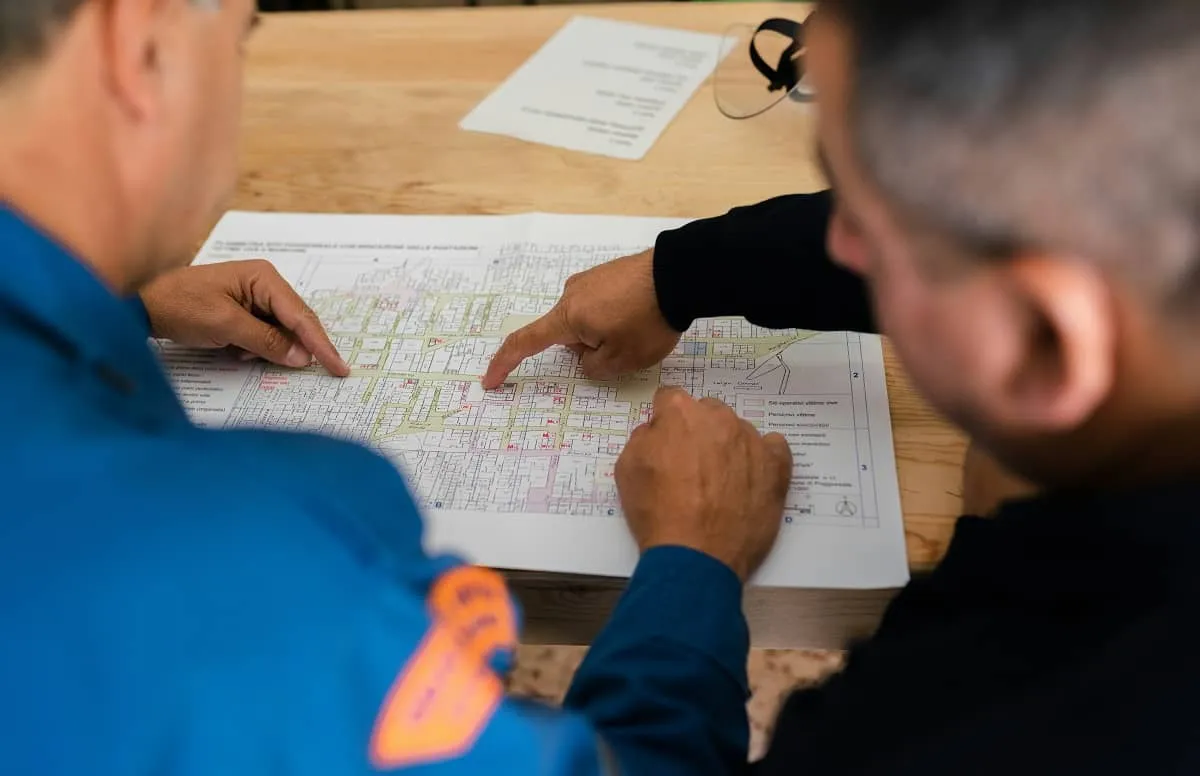
Presenting such data in clear, visual formats (maps, diagrams, models) enhances accessibility for both planning officers and decision-makers.
Policy Nuance: Why Legal and Policy Arguments Matter
Not all planning objections are created equal. The most persuasive are those which reference the precise part of planning law, national or local policy, or established guidance that the application allegedly contravenes. The planning consultant objection support UK service excels at:
- Policy Cross-referencing: Ensuring every argument flows from or relates back to policy (e.g. section X of the Local Plan, Article Y of the NPPF).
- Anticipating Counterarguments: Addressing likely rebuttals from applicants and providing pre-emptive technical or legal responses.
- Assessing Policy Weight: Appreciating when material considerations might outweigh policy, such as changing housing needs, infrastructure improvements, or emergent community priorities.
This makes a consultant-led objection difficult to dismiss and provides a strong foundation should the case proceed to the planning committee or appeal.
Objections at Appeal and Judicial Review
If an application is approved despite robust objection, options include appealing to the Planning Inspectorate or, where there has been a legal or procedural failing, judicial review. Here, having a record of professional planning objection support is critical:
- Appeal Statements: The consultant’s objection forms the basis of a written or hearing appeal submission, referencing all earlier evidence and arguments.
- Expert Witness: Consultants can act as expert witnesses in appeal hearings or public inquiries, cross-examining the applicant’s consultants and defending technical assessments.
- Legal Collaboration: Where a judicial review is considered, solicitors rely on the consultant’s evidence and policy analysis to frame grounds for challenge.
In both forums, objections prepared and submitted with professional support carry far greater weight and increase prospects of a successful outcome.
Strengthening Your Planning Objection with Expert Support
Navigating the UK planning system requires more than simply raising concerns; it demands a structured, policy-aware, and evidence-based approach to ensure objections carry real weight in the decision-making process. As highlighted throughout this article, planning consultants play a vital role in transforming general concerns into professionally presented arguments grounded in planning law and local policy.
When objections are prepared with expert input, they become significantly more persuasive to planning officers and committees. By identifying key policy conflicts, strengthening technical evidence, and presenting arguments in a clear and structured format, planning consultant support can greatly improve the effectiveness of any objection, whether from individuals, communities, or local groups.
Contact Charrette Law today if you are facing a planning application and need expert support in preparing or strengthening your objection. We provide tailored planning consultancy services designed to give your case the strongest possible foundation, helping you protect your property, your interests, and your community.