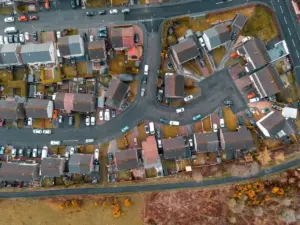
Introduction to Overdevelopment Planning Objection in the UK
The UK has always maintained a delicate balance between necessary urban expansion and sustainable development. As our towns and cities continue to evolve, residents, planners, and local authorities are increasingly faced with concerns about overdevelopment. This issue occurs when new construction projects – particularly housing or commercial developments exceed the scale, density, or capacity of an area. If you are worried about a planning application in your locality, understanding the framework for an overdevelopment planning objection UK is crucial. This guide delves deep into what constitutes overdevelopment, why it’s a problem, and how you can effectively object to potentially harmful planning applications.
What is Overdevelopment?
Overdevelopment refers to building on a scale out of proportion to the character, infrastructure, or existing layout of its locality. In the UK, this could include projects that exceed the recommended site density, result in loss of green space, overload local infrastructure like roads and schools, or dramatically alter the character of a neighbourhood. Overdevelopment doesn’t always refer to high-rise towers; even a block of flats or a cluster of houses squeezed into an already dense suburb can classify as such if it strains amenities or undermines the setting.
Recognising the Signs of Overdevelopment
To draft a convincing overdevelopment planning objection UK, it’s vital to recognise the warning signs:
- Loss of Amenity: Excessive building can lead to decreased privacy, sunlight, and open space, affecting the quality of life for current residents.
- Traffic Congestion: New developments may overload existing roads, parking, or public transport.
- Strain on Infrastructure: More residents increase pressure on schools, surgeries, public utilities, and waste collection.
- Environmental Impact: Removal of mature trees or green areas, strain on water management, and threats to biodiversity.
- Out of Character: Buildings that don’t match the local architecture or street scene, undermining heritage or neighbourhood feel.
- Potential Flooding: Loss of permeable surfaces can worsen local flooding risks.
UK Planning Framework and Overdevelopment
The UK’s planning system is governed by the National Planning Policy Framework (NPPF) and local authority development plans. One of the key objectives of these policies is to promote sustainable development while protecting existing communities and their environments.
The NPPF stipulates that “development should be well-designed and add to the overall quality of the area, not just now, but over the lifetime of the development.” It also demands that developments “are sympathetic to local character and history, including the surrounding built environment and landscape setting.” Overdevelopment directly conflicts with these requirements, making it a legitimate reason for objection.
Why Object to Overdevelopment?
Residents and community groups play a crucial role in ensuring that planning decisions reflect local interests and sustainability. An overdevelopment planning objection UK is not just about opposing change it’s about protecting the features that make a neighbourhood livable and distinctive. Overdevelopment leads to:
- Declining everyday amenities, such as parks or playgrounds.
- Excessive noise and air pollution from increased traffic.
- Poorer quality of new housing, often with cramped room sizes or inadequate parking.
- Lack of provision for children’s play, elderly needs, and biodiversity.
By taking a stand, you help shape the future of your community for generations to come.
How to Spot an Overdevelopment in a Planning Application
When faced with a new planning application, look for:
- Total number of proposed dwellings or floor space compared to the existing use.
- Changes to the scale, bulk, or massing of proposed buildings.
- Site plans showing loss of landscaping, open space, or trees.
- Parking provision and its likely impact on existing parking.
- Indicative transport and access statements.
- Lack of provision for refuse, cycle storage, or disabled access.
- Designs that clash with the existing architectural style.
Lodge an Effective Overdevelopment Planning Objection UK
If you decide that a proposal constitutes overdevelopment, your objection must be well structured to carry weight. The following steps can help ensure your overdevelopment planning objection UK is considered seriously:
- Focus on Material Considerations: Emotional appeals or complaints about the developer’s motives are unlikely to succeed. Instead, base your objection on material planning grounds such as density, loss of amenity, traffic, infrastructure inadequacies, and harm to local character.
- Reference Planning Policy: Quote relevant policies from the Local Plan and NPPF to demonstrate that the proposal conflicts with adopted planning policy. For example, “Policy XYZ states that development must respect the pattern of surrounding buildings – this application proposes a density double that of neighbouring streets…”
- Submit Photographs and Evidence: Support your claims with annotated photos or sketches showing existing problems (e.g., parking stress, flooding) and how these would worsen.
- Highlight Cumulative Impact: If several developments have already occurred recently, note the cumulative harm being experienced.
- Be Clear and Concise: Avoid lengthy essays; focus on a few key points to keep planning officers’ attention.
Material Planning Considerations for Overdevelopment Planning Objection UK
Here are key material planning considerations relevant to an overdevelopment planning objection:
- Density and Scale: Numbers of units or the size of buildings compared to the site and its surrounds.
- Loss of Green Space / Gardens: Development is removing vital greenery.
- Character and Appearance: Incompatibility with established architectural style, height, or form.
- Overlooking and Overshadowing: New structures causing privacy loss or blocking light.
- Highway Safety: Increased traffic or parking on already busy or narrow streets.
- Drainage and Flooding: Hard surfacing contributes to surface water run-off.
- Noise and Air Quality: More vehicles/noise close to homes, schools or parks.
Local authorities evaluate objections based on these and similar factors, so use them as the framework for your arguments.
Case Studies: Overdevelopment Planning Objections in the UK
Learning from past cases helps strengthen your own overdevelopment planning objection UK.
Case Study 1: Refusal Due to Density and Character
A south London council refused a proposal for 15 flats on a site historically containing a single house, citing overdevelopment. Objections highlighted that the density was more than double the local average, buildings overshadowed neighbours, and parking shortfalls would lead to congestion. The officer’s report referenced local policies ensuring “developments should not be out of scale to their surroundings.” The council ruled in favour of objectors, and the developer’s appeal was subsequently dismissed.
Case Study 2: Successful Appeal by Developer
Conversely, a planning inspector overturned a council’s refusal for a block of flats in Manchester, arguing that while density was high, the proposal did not “unduly harm local character” and delivered needed affordable housing. Objections focused too much on general change rather than concrete evidence of harm to amenity or infrastructure.
Lesson: Relate objections directly to on-the-ground impacts and clear breaches of policy.
The Role of Local Plans, Design Guides, and SPDs
Every UK local authority has a development plan containing site allocations, housing numbers, and design standards. Supplementary Planning Documents (SPDs) and Neighbourhood Plans may set out specific criteria for building densities or character.
When crafting your overdevelopment planning objection UK, always quote from such documents, e.g.:
- “Policy H4 of the Local Plan requires new development to reflect the prevailing building heights on this road – the application proposes a three-storey block where all other houses are two storeys.”
- “The Neighbourhood Plan states that front gardens should be retained. The proposal paves over the entire front area for parking, removing greenery.”
This approach reinforces that your concerns align with adopted planning frameworks.
Managing the Impact of Overdevelopment in Planning Decisions
Objecting to a planning application on the grounds of overdevelopment can be highly effective when supported by clear evidence, relevant planning policy, and a structured assessment of local impacts. As outlined in this guide, the most persuasive objections are those that demonstrate how a proposal exceeds appropriate density, harms local character, and places undue pressure on infrastructure, while also referencing relevant Local Plan policies and national planning guidance.
While development and urban growth are an essential part of the UK planning system, they must be balanced against the need to protect residential amenity, safeguard local services, and maintain the character of established neighbourhoods. Where proposals fail to achieve this balance, they may be refused, significantly amended, or subject to strict planning conditions.
Contact Charrette Law today to discuss your case with our expert team and receive tailored advice on preparing a robust, evidence-based objection. Whether you are responding to a current planning application or assessing the potential impact of a proposed development in your area, we are here to support you at every stage.