
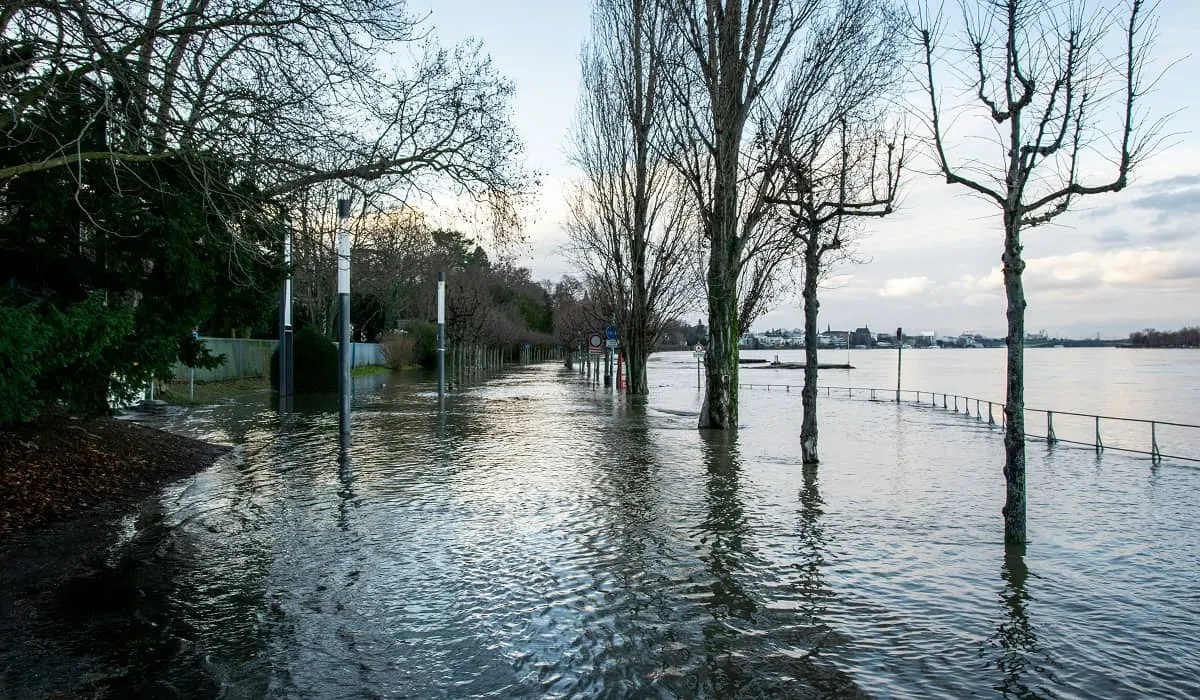
Introduction to Flood Risk in Development Proposals
Flooding remains a significant challenge for urban planners, developers, architects, and local authorities worldwide. Climate change, changing weather patterns, and expanding urban areas combine to increase the risk and impact of floods. Within the context of planning and development, considering flood risk is an essential component not only from an engineering or risk mitigation perspective but also in relation to Design, Heritage & Environmental Considerations. As policy frameworks and planning guidance evolve, sequential testing has emerged as a best practice, ensuring developments proceed in sustainable, safe, and contextually appropriate locations.
Understanding Sequential Testing in Planning Practice
Sequential testing is a systematic approach embedded within many national and regional planning policies, notably within the UK’s National Planning Policy Framework (NPPF) and accompanying Planning Practice Guidance. The aim is straightforward: to direct development away from areas at highest risk of flooding to those at lower risk, thereby reducing exposure and long-term vulnerability.
This staged approach begins by considering sites wholly outside flood risk zones, examining their suitability for the proposed development in question. Only where it is fully justified demonstrating that there are no reasonably available sites in areas of lower flood risk should sites in higher risk zones even be considered, and only then with rigorous safeguards in place.
This process not only supports safety and resilience but is fundamentally intertwined with wider Design, Heritage & Environmental Considerations. Choices about where and how to build affect not only flood risk but also the quality and character of the built environment and the natural landscape.
The Role of Flood Risk Assessments (FRA)
Central to planning decisions involving flood risk is the Flood Risk Assessment (FRA). An FRA is required for all applications within flood zones or areas exceeding a threshold of flood vulnerability. The assessment examines flooding from all sources including rivers, sea, surface water, sewers, and even groundwater and evaluates the risks both to and from the proposed development.
An FRA feeds into the sequential testing process, providing evidence to justify the selection of a site and, if unavoidable, demonstrating that the risks can be made acceptable through design and mitigation. Critically, FRAs go beyond hydrological data; they are holistic documents, ensuring that Design, Heritage & Environmental Considerations such as the compatibility of proposals with the historic environment, natural habitats, and landscape are integral to the evaluation process.
Integrating Flood Risk with Design Considerations
Incorporating flood risk into the design process is not about merely raising floor levels or installing flood barriers. Good design means fully integrating resilience and adaptation with form, function, and context. For instance, development can use flood-resilient materials, create public spaces that can accommodate occasional flooding, and plan landscaping to channel or absorb water.
Furthermore, the form and massing of a building can affect patterns of water flow across a site or neighborhood. SuDS (Sustainable Drainage Systems) are increasingly mandated or encouraged, ensuring surface water is managed sustainably, recharging groundwater levels, and benefiting biodiversity.
Designers should consider the local character and historic context when planning mitigation measures. This respect for heritage is a core part of the Design, Heritage & Environmental Considerations framework, ensuring that adaptations complement rather than detract from existing assets.
Heritage Assets and Flood Risk Management
Many communities at risk of flooding possess rich historic legacies, with listed buildings, conservation areas, and archaeological sites embedded within the landscape. Flood resilience for these environments presents a special set of challenges.
Heritage assets often rely on traditional materials and construction techniques that can be particularly vulnerable lime-based plasters, earth floors, or original woodwork, for example. Modern flood barriers or waterproofing solutions can adversely affect the significance or fabric of a historic building. Therefore, adaptation strategies must strike a careful balance.
Historic England and similar statutory bodies provide guidance for integrating flood protection with heritage conservation. Measures such as reversible interventions, sensitive landscaping, or the use of historically appropriate materials are all possible ways to defend heritage while retaining authenticity.
Moreover, the sequential test should, wherever possible, guide the most vulnerable uses (e.g., housing) away from at-risk historic sites, ensuring that irreplaceable cultural heritage is shielded from preventable harm.
Environmental Considerations in Site Assessment
Environmental considerations extend far beyond flood resilience. Sites must be evaluated for their ecological value, function within green infrastructure, contribution to biodiversity, and potential to support environmental net gain.
Floodplains, wetlands, river corridors, and coastal margins are often biodiversity hotspots, supporting unique and endangered species. The loss or compromise of these natural habitats due to development contributes to biodiversity decline and ecosystem degradation, while also limiting their capacity to provide ‘natural’ flood management.
A robust sequential test will not only prioritize areas of lower flood risk but also those with lower ecological value, directing unavoidable development to locations where it does not compromise critical environmental assets. Environmental statements, ecological surveys, and landscape assessments are essential partners to the FRA.
The Policy Context: National and Local Requirements
The framework for sequential testing and flood risk management is set at national level but interpreted and refined locally. The National Planning Policy Framework (NPPF) mandates a risk-based approach, emphasizing the sequential test and, where applicable, the ‘exception test’ which places an added burden of proof on proposals within the highest risk areas.
Local Plans and Supplementary Planning Documents (SPDs) elaborate on these requirements, often introducing stricter thresholds, locality-specific mapping, or more ambitious sustainability standards. They also detail how Design, Heritage & Environmental Considerations should shape development responses. Engagement with local policy is critical to ensure compliance and best practice.
Engagement with key stakeholders including the Environment Agency, Lead Local Flood Authorities, local heritage officers, and environmental NGOs typically forms a vital part of the pre-application and application process. Their input ensures that proposals are robust, contextually appropriate, and backed by expert analysis.
Balancing Housing Need and Sustainable Location
A practical challenge often arises: land for new housing or infrastructure is at a premium, particularly in already-developed or constrained localities. Planners must balance the acute need for new homes and economic investment with the imperative to avoid long-term risk and environmental damage.
Sequential testing enables this balance to be struck transparently. Developers must demonstrate not only that no suitable lower-risk sites exist but also that any proposed mitigation is sustainable, design-led, and mindful of the local context.
Innovative design, including raised floor levels, floating structures, or landscape-led layouts that channel water safely, may enable development to proceed where there are no alternatives. However, the fundamental goal is always to minimize risk and impact.
Community Engagement and Flood Risk Communication
Too often, technical studies relating to flood risk remain the preserve of specialists. However, flood risk management must be participatory. Local residents often possess detailed local knowledge patterns of past flooding, functioning of ditches, ponds, or informal drainage routes that can meaningfully inform site selection and design.
Effective communication with affected communities builds trust, increases awareness, and can even influence behavior, such as the maintenance of watercourses or preparation for extreme events. Public consultation should highlight how proposed development aligns with Design, Heritage & Environmental Considerations, demonstrating steps taken to protect the environment and local character.
Digital tools, workshops, and visualizations help translate complex data into engaging formats, ensuring communities have a genuine stake in shaping responses to flood risk within their environment.
Case Studies: Learning from Practice
Across the UK and internationally, there are notable exemplars of best practice where flood risk, design, heritage, and environment have been integrated successfully.
- The Hull Living with Water Partnership blends urban design and flood adaptation, with public spaces designed to flood safely while celebrating the city’s unique heritage.
- The Thames Barrier Park in London, developed on former brownfield land, fuses innovative landscaping with flood resilience, biodiversity enhancement, and public enjoyment, all within a historic context.
- In the Netherlands, the Room for the River programme demonstrates how allowing space for water can combine flood risk reduction with ecological regeneration and quality design.
These cases share a common thread: interdisciplinary collaboration, robust sequential testing, and a commitment to high-quality, context-sensitive design.
Climate Change, Resilience, and Future Adaptation
Resilience to flooding is not a one-off exercise but a long-term commitment. Climate change is predicted to increase the frequency and severity of extreme rainfall, storm surges, and sea level rise. Flood risk assessments and sequential tests must adopt long planning horizons, considering not only present threats but credible projections for the coming decades.
Design responses should be flexible and capable of adaptation over time. Structures and landscapes can be designed for ‘managed retreat’, phased adaptation, or transformation in the event of unforeseen future challenges.
Heritage and environment should not be viewed as static constraints but as assets that can inspire innovation and inform more resilient, inclusive, and sustainable places.
Navigating Flood Risk and Sequential Testing with Expert Guidance
Managing flood risk in development proposals is no longer optional it is a legal, environmental, and design imperative. The use of sequential testing, robust Flood Risk Assessments (FRAs), and integration with Design, Heritage & Environmental Considerations ensures that developments proceed in safe, sustainable, and context-sensitive locations. From protecting heritage assets to enhancing ecological value, effective flood risk planning requires careful site selection, innovative design solutions, and early engagement with statutory bodies and local communities.
With climate change increasing flood frequency and severity, developers and planners must demonstrate that proposals meet national and local policy requirements, including the National Planning Policy Framework (NPPF), Environment Agency guidance, and local planning frameworks. Failure to comply can lead to refusals, enforcement action, or costly redesigns.
Charrette Law provides specialist planning advice on flood risk, sequential testing, heritage-sensitive design, environmental compliance, and planning applications. Our team helps developers, architects, and local authorities navigate complex statutory obligations, delivering legally robust and environmentally responsible outcomes. Contact Charrette Law today to ensure your development proposals are fully compliant, resilient, and sustainable.