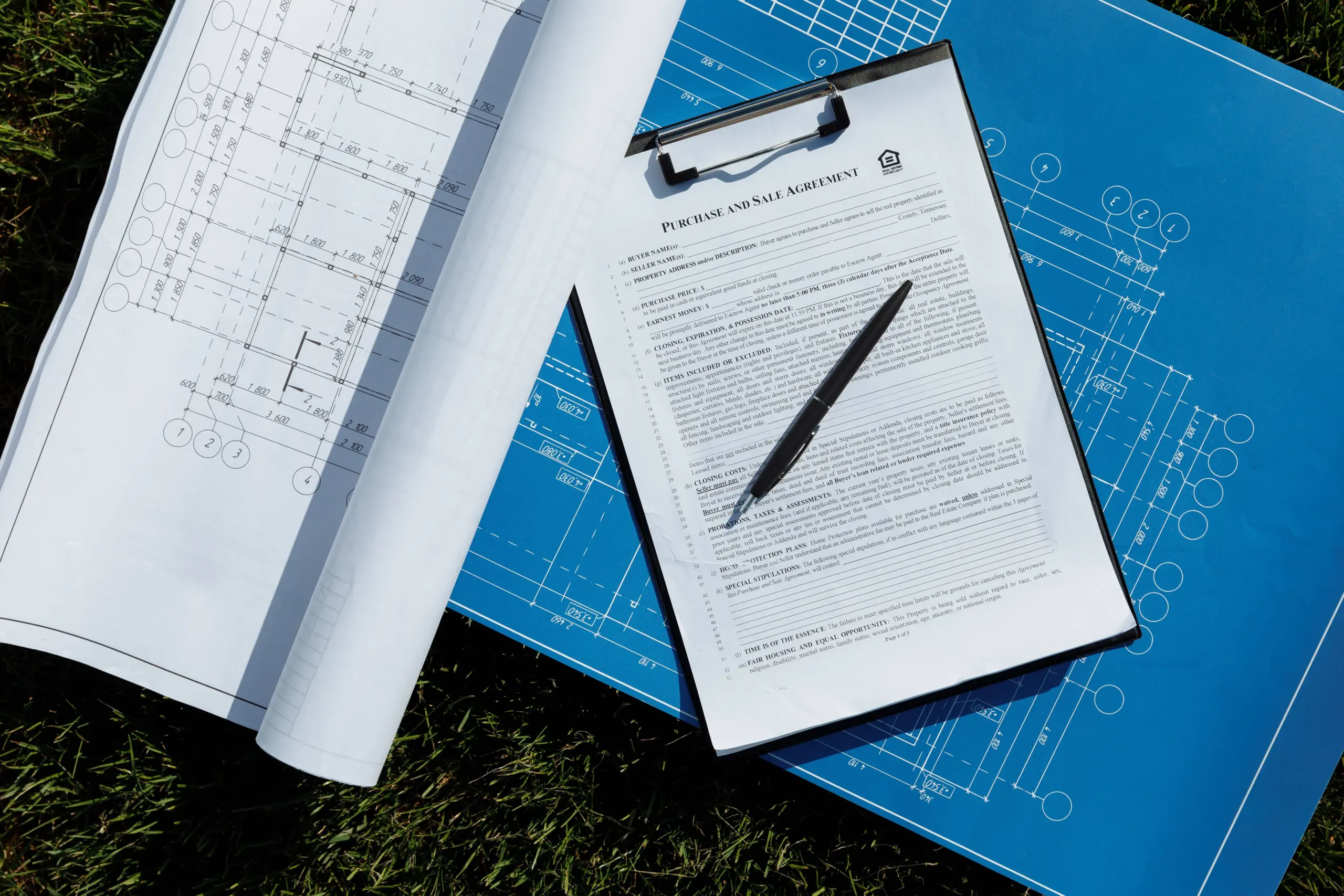
Property development can offer significant opportunities, but purchasing a property or piece of land does not automatically mean that the development you have in mind will be permitted.
Whether you are considering a new residential scheme, converting an existing building, extending a property or creating several units from a single site, understanding the planning position should be one of the first steps in the development process.
Obtaining the right property development planning permission can determine whether a project is viable, how much it will cost and whether the proposed development can proceed at all.
Planning Permission Starts With the Development You Want to Achieve
A common mistake is to purchase a property first and investigate planning later.
A more strategic approach is to establish what you want to develop and then assess whether the site can realistically accommodate that proposal.
For example, a developer may be considering:
- Building a new house or houses
- Converting an existing property into flats
- Extending a residential or commercial building
- Changing the use of a property
- Developing an unused plot
- Replacing an existing building
- Creating a mixed-use development
- Subdividing a property
- Increasing the number of residential units
Each proposal can raise different planning considerations.
Is Planning Permission Already Required
Not every project follows the same planning route.
Some works may benefit from permitted development rights, while others require a full planning application. Certain changes of use may also fall within specific permitted development provisions, subject to the applicable limitations and conditions.
This makes it important to establish the correct planning route before design work and construction costs begin to build.
Where planning permission is required, proceeding without it can expose a developer to enforcement action and potentially require unauthorised works to be altered or removed.
Assess the Site Before Committing to Development
A planning assessment can help establish whether the property has realistic development potential.
Important considerations can include:
Planning History
Previous applications, refusals, approvals and appeals can provide useful information about how the local planning authority has approached the site.
Planning history can also reveal recurring issues that could affect a new application.
Local Planning Policy
The development must generally be assessed against the relevant development plan and other material planning considerations.
Policies may affect matters such as:
- Housing development
- Design
- Density
- Parking
- Access
- Heritage
- Green Belt
- Landscaping
- Residential amenity
- Affordable housing
- Infrastructure and planning obligations
Site Constraints
A site may appear suitable for development but have constraints that significantly affect its potential.
These could include:
- Conservation areas
- Listed buildings
- Flood risk
- Protected trees
- Highways constraints
- Ecological considerations
- Heritage assets
- Rights affecting the land
- Neighbouring properties
- Green Belt designation
Identifying these issues early can help prevent expensive surprises later.
How Many Properties Can the Site Accommodate
For developers, planning permission is not simply about whether a project can be approved.
The commercial question is often what level of development can realistically be achieved.
A site may potentially accommodate one dwelling, several houses, flats or a different form of development depending on its location, size, access, surroundings and planning policy.
Density, overlooking, separation distances, parking, access and the character of the area can all influence the appropriate scale of development.
A planning assessment can therefore help developers understand the difference between the site’s theoretical potential and what is realistically achievable through the planning process.
Design Should Follow the Planning Strategy
It can be costly to develop detailed architectural plans before understanding the planning position.
A stronger approach is to establish the planning parameters first and then develop the design around them.
This can help the project team identify:
- Appropriate scale
- Site layout
- Building position
- Access arrangements
- Parking requirements
- Amenity space
- Relationship with neighbouring properties
- Design considerations
Good planning strategy can reduce the risk of spending significant sums designing a scheme that is fundamentally unsuitable for the site.
Pre-Application Advice Can Help Developers
For more complex or higher-value developments, obtaining pre-application advice from the relevant local planning authority can be useful.
This can provide an opportunity to identify potential planning issues before submitting a formal application.
However, pre-application discussions do not guarantee that a subsequent application will be approved.
The quality of the proposal, supporting information and response to planning policy will still be important when the formal application is assessed.
What Happens If Planning Permission Is Refused
A refusal does not necessarily mean that the development opportunity has ended.
Depending on the circumstances, a developer may be able to:
- Review the reasons for refusal
- Modify the proposal
- Submit a revised application
- Address specific planning concerns
- Consider an alternative development strategy
- Appeal the decision where appropriate
The best response will depend on why the application was refused and the planning circumstances of the site.
Why Planning Advice Matters Before Property Investment
Planning permission can have a major impact on the value and development potential of land.
A property marketed as having “development potential” does not necessarily have planning permission for the development a purchaser has in mind.
Before committing to a purchase, developers may therefore benefit from investigating:
- Existing planning permissions
- Planning history
- Development plan policies
- Permitted development rights
- Site constraints
- Potential development scale
- Access and highways considerations
- Likely planning risks
- The appropriate application strategy
This type of assessment can support better-informed investment decisions.
Speak to Charrette Law About Property Development Planning Permission
Property development requires more than a good design. It requires a clear understanding of the planning position, development potential and risks associated with the site.
At Charrette Law, we can assist property owners and developers with planning matters and help them understand the planning considerations affecting their proposed development.
Whether you are considering purchasing a development site, extending an existing property, converting a building or pursuing a larger development scheme, obtaining appropriate planning advice early can help you make more informed decisions.
Frequently Asked Questions
Do I need planning permission for property development?
It depends on the nature and scale of the proposed development. Some works may fall within permitted development rights, while others require planning permission.
Can I develop a property without planning permission?
Some works may be permitted without a planning application, but development requiring permission should not proceed without the appropriate authorisation.
Does buying development land mean I can build on it?
No. Ownership of land does not automatically give you planning permission to develop it. The site’s planning designation, policies, constraints and proposed use all need to be considered.
Can planning permission increase the value of a property?
Planning permission can potentially increase a property’s development value, but the impact depends on the permission, proposed use, location, development costs and market conditions.
What should I check before buying a development site?
You should consider the property’s planning history, relevant planning policies, existing permissions, site constraints, access, potential development scale and any other factors that could affect the viability of the proposed scheme.
Can Charrette Law help with property development planning?
Charrette Law can provide planning-related advice to help property owners and developers assess planning considerations, development opportunities and potential risks.