What Is a Party Wall Surveyor?
A party wall surveyor is a professional who deals with disputes and legal procedures arising under the Party Wall etc. Act 1996.
The Act applies in England and Wales and provides a framework for building works involving party walls, boundary structures and certain excavations close to neighbouring buildings.
For property owners in East London, party wall matters can become relevant when carrying out works such as loft conversions, extensions, structural alterations or basement works, particularly where the proposed works affect a shared wall or involve excavation close to a neighbouring property.
A party wall surveyor can help ensure that the statutory procedure is followed and, where necessary, prepare a Party Wall Award.
When Do You Need a Party Wall Surveyor in East London?
Not every building project requires a party wall surveyor.
However, the Party Wall etc. Act 1996 can apply where proposed works involve:
- work directly affecting an existing party wall or party structure;
- building a new wall on or at the boundary;
- excavation close to a neighbouring building;
- cutting into or altering a party wall;
- raising, lowering or demolishing and rebuilding a party wall;
- inserting beams into a party wall;
- certain underpinning works; or
- excavation for foundations close to a neighbouring property.
Government guidance identifies three broad categories covered by the Act: building at or astride a boundary, work to an existing party wall or structure, and certain excavations near neighbouring buildings.
Party Wall Surveyor for East London Property Owners
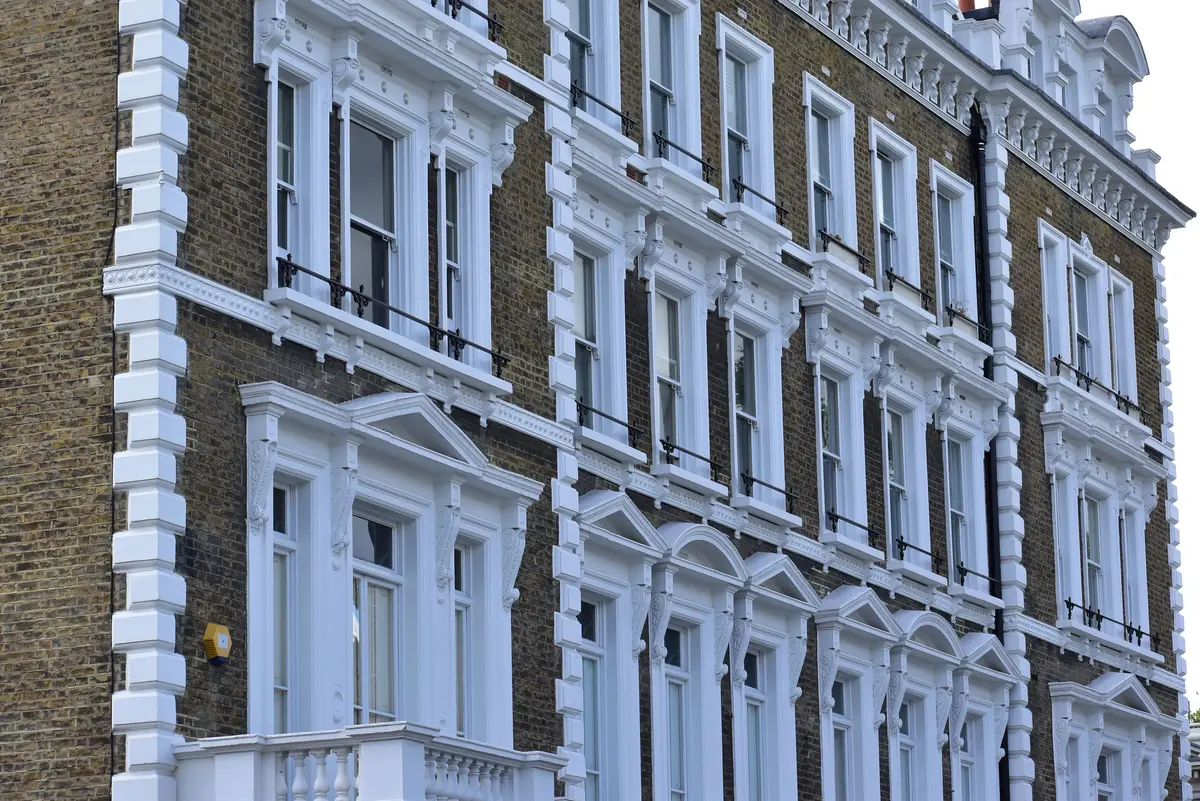
East London contains a wide range of residential and commercial properties, including Victorian and Edwardian terraces, converted properties, flats, extensions and newer developments.
Building work in closely developed areas can therefore raise party wall considerations, particularly where properties share walls or stand close to one another.
If you are planning an extension, loft conversion, renovation or structural alteration, it is important to establish at an early stage whether the Party Wall etc. Act 1996 applies.
The Act is separate from the planning system and building regulations. Having planning permission does not remove the requirement to comply with the Party Wall Act where it applies.
What Does a Party Wall Surveyor Do?
A party wall surveyor’s role will depend on the circumstances of the project and whether the owners have reached agreement.
Where a dispute arises, the owners can agree to appoint a single Agreed Surveyor, or each can appoint their own surveyor. If two surveyors are appointed and cannot agree, the statutory procedure provides for a third surveyor to be selected.
Preparing a Party Wall Award
One of the key functions of a party wall surveyor is preparing a Party Wall Award where required.
An Award can set out:
- the works that may be undertaken;
- how the works should be carried out;
- when and in what manner works may take place;
- protective measures required during construction;
- arrangements for access where appropriate;
- responsibility for costs; and
- other terms necessary to regulate the works.
The Government’s explanatory guidance describes a Party Wall Award as a document setting out the works and how they should be carried out, and it can also include a record of the neighbouring property’s condition before works begin.
Preparing a Schedule of Condition
A Schedule of Condition records the existing condition of a neighbouring property before building work starts.
It can include written descriptions and photographs of existing cracks, defects and other relevant conditions.
Although a Schedule of Condition is not itself a statutory requirement under the Act, Government guidance notes that recording the condition of the adjoining property can be useful when determining whether damage has subsequently resulted from the building works.
Party Wall Notices in East London
Where proposed works fall within the Party Wall etc. Act 1996, the Building Owner must give the relevant Adjoining Owner notice in accordance with the Act.
The type and timing of notice depends on the proposed works.
For example, the Act provides different procedures for:
- work to an existing party structure;
- building a new wall at or on the boundary; and
- certain excavation works close to a neighbouring building.
Government guidance states that notice periods can vary according to the type of work, including one month for certain new wall and excavation notices and two months for certain works to existing party structures.
Getting the notice procedure right is important because an incorrect or incomplete process can lead to disputes and delays.
What Happens If a Neighbour Objects?
A neighbour does not necessarily have to agree to the proposed works.
If the owners cannot reach agreement, the Party Wall Act provides a statutory dispute-resolution procedure.
The parties may agree to appoint one surveyor to act as the Agreed Surveyor, or each owner may appoint their own surveyor. The surveyor or surveyors can then prepare a Party Wall Award regulating the works.
The purpose of the surveyor’s role is not simply to represent one party’s interests. Surveyors appointed under the Act must consider the rights and interests of both owners and act impartially when determining matters under the statutory procedure.
Excavation and Foundations Near a Neighbouring Property
Excavation is a particularly important consideration for property owners carrying out extensions, basement conversions or new foundations.
Section 6 of the Party Wall etc. Act 1996 can apply where excavation is planned within specified distances of a neighbouring building or structure, depending on the depth and relationship of the proposed excavation to the neighbouring building’s foundations.
For example, the Government’s guidance identifies circumstances involving excavation within 3 metres or 6 metres of a neighbouring building, depending on the depth of the proposed works.
Because the application of these provisions is technical, professional advice can be useful before works begin.
Who Pays the Party Wall Surveyor’s Fees?
The allocation of party wall surveyor fees depends on the circumstances.
Where works are undertaken solely for the benefit of the Building Owner, the Building Owner will usually be responsible for the costs associated with the Award, including the Adjoining Owner’s reasonable surveyor costs.
However, costs can be dealt with differently where works relate to matters such as defects or repairs.
The surveyor or surveyors can determine responsibility for costs as part of the Award.
There are no fixed statutory surveyor fees; surveyor charges are individually determined.
Party Wall Act and Planning Permission
It is important not to confuse party wall procedures with planning permission.
They are separate legal and regulatory processes.
You may need planning permission for a proposed development and also need to comply with the Party Wall etc. Act 1996.
Equally, obtaining planning permission does not automatically give a Building Owner the right to carry out works affecting a neighbour’s property under the Party Wall Act.
This distinction is particularly important when planning extensions, loft conversions and other works in densely developed areas such as East London.
How Charrette Law Can Help
Party wall matters can involve both property and construction considerations, particularly where a proposed development affects a neighbouring property.
At Charrette Law, we can assist property owners and developers with matters relating to planning, development and party wall considerations, including:
- reviewing proposed building works;
- advising on party wall considerations;
- assessing whether the Party Wall etc. Act 1996 may apply;
- advising on Party Wall Notices;
- dealing with adjoining owner concerns;
- party wall dispute matters;
- Party Wall Awards;
- schedules of condition;
- excavation and foundation issues; and
- coordinating party wall matters alongside wider planning and property requirements.
Early advice can help identify potential issues before building works begin and reduce the risk of avoidable disputes or delays.
Frequently Asked Questions
Do I need a party wall surveyor for an extension in East London?
It depends on the nature of the proposed works. If an extension involves work to a party wall, construction at or near a boundary, or excavation falling within the relevant provisions of the Act, the Party Wall etc. Act 1996 may apply.
Can my neighbour stop my building work?
The Party Wall Act provides statutory rights for certain building works, subject to compliance with the Act. An adjoining owner can raise objections and, where a dispute arises, the statutory surveyor procedure can be used to regulate the works.
Can I appoint the same surveyor as my neighbour?
Yes. The parties can agree to appoint one Agreed Surveyor. Alternatively, each owner can appoint their own surveyor.
What is a Party Wall Award?
A Party Wall Award is a legal document setting out the permitted works and the conditions under which they should be undertaken. It can also address matters such as protective measures, access and costs.
Does the Party Wall Act apply to flats?
Potentially. The Act can apply to party structures separating buildings or parts of buildings, including certain arrangements involving flats. The precise circumstances should be assessed based on the proposed works and property structure.
Get Advice on Party Wall Matters in East London
If you are planning building works in East London that could affect a shared wall, boundary or neighbouring property, it is important to establish your obligations before construction begins.
Understanding whether the Party Wall etc. Act 1996 applies, what notices are required and whether a Party Wall Award is necessary can help protect both the Building Owner and Adjoining Owner.