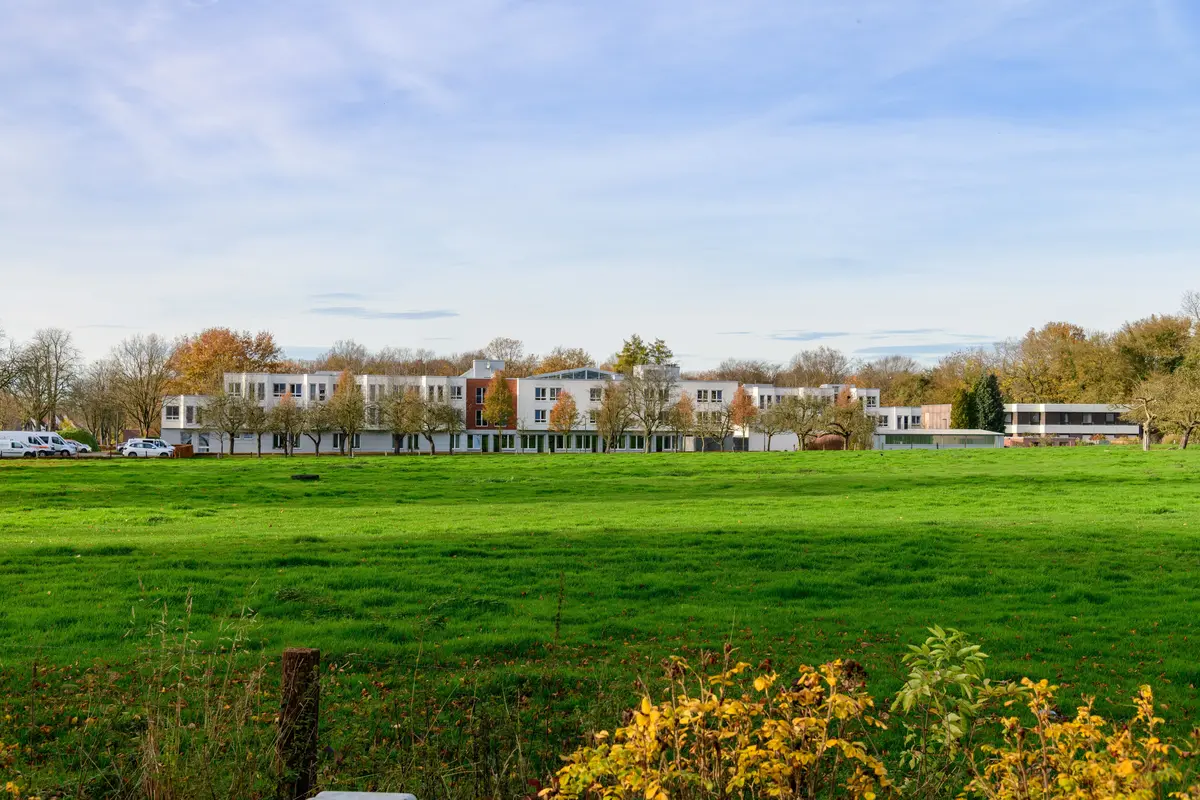
Building on Green Belt land can create valuable opportunities for landowners, farmers and developers, but it is subject to strict planning controls.
Green Belt designation does not mean that all development is prohibited. However, proposals must be assessed carefully against national planning policy, the local development plan and the individual characteristics of the site.
Whether you are considering a new home, agricultural building, commercial development, extension, replacement building or change of use, it is important to establish the planning position before purchasing land or beginning work.
This guide explains the main rules affecting building on Green Belt land in England, the circumstances in which development may be acceptable and how specialist planning and legal advice can help.
What Is Green Belt Land?
Green Belt is a planning designation intended to keep land permanently open and prevent urban sprawl.
The Green Belt has five main purposes:
- Checking the unrestricted sprawl of large built-up areas;
- Preventing neighbouring towns from merging;
- Safeguarding the countryside from encroachment;
- Preserving the setting and special character of historic towns; and
- Assisting urban regeneration by encouraging the reuse of previously developed land.
The essential characteristics of Green Belt are its openness and permanence. The current National Planning Policy Framework gives substantial weight to harm to the Green Belt, including harm to openness.
Do You Need Planning Permission to Build on Green Belt Land?
In most cases, building on Green Belt land will require careful planning assessment and may require planning permission.
Planning permission is generally required for:
- Constructing a new building;
- Extending an existing building;
- Replacing a building;
- Converting an agricultural building;
- Changing the use of land;
- Creating a commercial or leisure facility;
- Developing residential accommodation; and
- Carrying out engineering or infrastructure works.
Some development may benefit from permitted development rights. However, these rights are subject to specific conditions and limitations.
Green Belt Land Does Not Have an Automatic Right to Development
Owning Green Belt land does not create an automatic right to build on it.
A proposal must be assessed against:
- The National Planning Policy Framework;
- The local development plan;
- Green Belt policies;
- Permitted development rights;
- The planning history of the site;
- Landscape and visual impact;
- Highway and access considerations; and
- Other relevant planning constraints.
The correct planning route will depend on the proposed development and the circumstances of the site.
What Can You Build on Green Belt Land?
The NPPF identifies certain categories of development that are not considered inappropriate in the Green Belt, provided the relevant requirements are satisfied.
These include:
- Buildings for agriculture and forestry;
- Appropriate facilities for outdoor sport and recreation;
- Certain extensions and alterations;
- Replacement buildings;
- Limited infilling in villages;
- Limited affordable housing for local community needs;
- Certain redevelopment of previously developed land;
- Reuse of buildings of permanent and substantial construction; and
- Certain material changes of use.
The fact that a proposal falls within one of these categories does not mean that permission is guaranteed. Other planning policies and technical considerations will still apply.
Agricultural Buildings
Agricultural and forestry buildings may be acceptable in the Green Belt where they are genuinely required for the relevant use.
Examples may include:
- Machinery stores;
- Agricultural storage buildings;
- Livestock buildings;
- Crop storage facilities;
- Buildings for agricultural equipment; and
- Certain forestry buildings.
The proposal should be supported by evidence explaining the agricultural or forestry need.
Where permitted development rights are being relied upon, the development must comply with the relevant limitations and conditions.
Extensions to Existing Buildings
An extension or alteration may be considered appropriate where it does not result in disproportionate additions over and above the size of the original building.
The planning authority may consider:
- The original size of the building;
- The scale of the proposed extension;
- The cumulative effect of previous extensions;
- The visual impact;
- The effect on openness; and
- The relationship with surrounding development.
A large extension may be treated differently from a modest alteration, particularly where it substantially increases the size or bulk of the existing building.
Replacement Buildings
The replacement of an existing building may be acceptable where:
- The replacement building is in the same use; and
- It is not materially larger than the building it replaces.
The existing building should be assessed carefully, including its lawful use, size, location and planning history.
Reuse of Existing Buildings
The reuse of a building may provide a more realistic planning route than constructing a completely new building.
Certain buildings of permanent and substantial construction may be capable of being reused for another purpose, subject to the relevant Green Belt policy and other planning requirements.
Potential uses may include:
- Residential accommodation;
- Rural business space;
- Offices;
- Workshops;
- Storage;
- Tourism accommodation; and
- Community uses.
A change of use may still require planning permission, even where no major building works are proposed.
Can You Build a House on Green Belt Land?
Building a new house on Green Belt land can be challenging, but it is not automatically impossible.
The planning route may depend on whether the proposal involves:
- A replacement dwelling;
- An extension to an existing home;
- Limited infilling;
- The conversion of an existing building;
- Previously developed land;
- Grey belt land; or
- A proposal supported by very special circumstances.
A new dwelling on undeveloped Green Belt land will generally require a particularly strong planning case.
Replacement Dwellings
A replacement dwelling may be acceptable where the proposed property is not materially larger than the existing dwelling and remains within the relevant policy requirements.
The authority may consider:
- The size of the existing property;
- The size and scale of the replacement;
- The position of the building;
- The effect on openness;
- The impact on the landscape; and
- Whether the proposal would intensify the use of the site.
Agricultural Worker’s Dwelling
In some circumstances, a dwelling may be proposed to meet an essential need for an agricultural or forestry worker to live on or near the holding.
Such applications generally require evidence concerning:
- The nature of the agricultural enterprise;
- The scale of the business;
- The need for a worker to be available on site;
- Whether the need is genuine and essential;
- Whether existing accommodation is available; and
- Whether alternative accommodation could meet the need.
Simply owning agricultural land or working from home is unlikely, by itself, to justify a new dwelling in the Green Belt.
What Is Inappropriate Development in the Green Belt?
Development is generally considered inappropriate unless it falls within an identified policy exception.
Examples may include certain forms of:
- New residential development;
- Large commercial buildings;
- Urbanising development;
- Substantial extensions;
- New leisure facilities;
- Development that causes significant harm to openness; and
- Development that conflicts with the purposes of the Green Belt.
The classification depends on the individual proposal and the relevant policy wording.
Why Is Inappropriate Development Difficult?
Inappropriate development is harmful to the Green Belt by definition.
The NPPF states that inappropriate development should not be approved except in very special circumstances. The potential harm to the Green Belt, together with any other harm, must be clearly outweighed by other considerations.
This means that an applicant must do more than demonstrate that the proposal would be useful or economically beneficial.
What Are Very Special Circumstances?
Very special circumstances are considerations that clearly outweigh:
- The harm caused by inappropriate development; and
- Any other harm arising from the proposal.
There is no fixed list of circumstances that automatically qualifies as very special.
Depending on the proposal, relevant considerations may include:
- A particular need for the development;
- A lack of suitable alternative sites;
- Significant economic benefits;
- Regeneration benefits;
- Community benefits;
- The reuse of previously developed land;
- Improvements to biodiversity or landscape;
- The limited effect on openness; and
- The delivery of important infrastructure.
How Is a Very Special Circumstances Case Prepared?
A strong case should be evidence-based and proportionate to the development.
A planning statement may need to explain:
- Why the development is required;
- Why the proposed site is suitable;
- Whether alternative sites have been considered;
- The extent of harm to the Green Belt;
- Any other planning harm;
- The benefits of the proposal; and
- Why the benefits clearly outweigh the identified harm.
A Green Belt planning consultant or specialist planning lawyer can help structure this assessment.
What Is Grey Belt Land?
Grey belt land is a term used in the current planning framework for certain Green Belt land that makes a limited contribution to specified Green Belt purposes, subject to the relevant definition and assessment.
Grey belt land may include some previously developed land and other land that does not strongly contribute to certain Green Belt purposes.
However, identifying land as grey belt does not automatically mean that it should be released from the Green Belt or that planning permission must be granted.
Can You Build on Grey Belt Land?
Certain housing, commercial and other development may be treated as not inappropriate where the relevant conditions are met.
These conditions include:
- The site qualifies as grey belt land;
- The development would not fundamentally undermine the purposes of the remaining Green Belt;
- There is a demonstrable unmet need for the proposed development;
- The site is in a sustainable location; and
- The applicable Golden Rules are met where required.
The proposal must still comply with the wider planning framework, including local policies, design requirements and environmental considerations.
What Are the Green Belt Golden Rules?
The current NPPF includes Golden Rules for certain major housing development on Green Belt land.
Where applicable, the development should provide:
- Affordable housing;
- Necessary improvements to local or national infrastructure; and
- New or improved publicly accessible green space.
The specific affordable housing contribution may depend on the applicable development plan policy and the transitional provisions in the NPPF.
A developer considering a major residential scheme should assess these requirements at an early stage because they may affect the viability and design of the project.
Other Planning Considerations When Building on Green Belt Land
Green Belt policy is only one part of the planning assessment.
Landscape and Visual Impact
The planning authority may consider:
- The appearance of the building;
- Its height and massing;
- Materials;
- Landscaping;
- Visibility from public viewpoints;
- The effect on countryside character; and
- The relationship with nearby buildings.
A proposal that is technically acceptable under Green Belt policy may still be refused because of unacceptable landscape or visual impact.
Highways and Access
The authority may assess:
- Site access;
- Visibility splays;
- Traffic generation;
- Parking;
- Turning arrangements;
- Road safety; and
- Pedestrian access.
This can be particularly important for rural commercial, tourism and residential proposals.
Ecology and Biodiversity
Green Belt land may contain habitats, trees, hedgerows or protected species.
Depending on the proposal, the application may require:
- Ecological surveys;
- Tree surveys;
- Biodiversity information;
- Habitat assessments; and
- Mitigation or enhancement measures.
Flood Risk and Drainage
Some Green Belt sites may be affected by flood risk or poor drainage.
The planning authority may require a flood risk assessment, drainage strategy or other technical evidence before determining the application.
Heritage and Public Rights of Way
Development may also be affected by:
- Listed buildings;
- Conservation areas;
- Historic landscapes;
- Archaeological interests;
- Public footpaths;
- Bridleways; and
- Other public rights of way.
How to Apply for Planning Permission on Green Belt Land
Step 1: Check the Planning Designation
Confirm whether the land is within the Green Belt and identify any additional designations affecting the site.
This may include:
- Conservation areas;
- Areas of Outstanding Natural Beauty;
- Sites of Special Scientific Interest;
- Flood zones;
- Heritage assets; and
- Local landscape designations.
Step 2: Review the Planning History
Previous planning applications, refusals, appeals and enforcement matters may provide important information about the site.
The planning history may reveal:
- Previous objections;
- Established uses;
- Existing permissions;
- Planning conditions;
- Previous assessments of openness; and
- Relevant site-specific constraints.
Step 3: Identify the Correct Planning Route
The proposal may require:
- Permitted development;
- Prior approval;
- A lawful development certificate;
- A full planning application; or
- An application relying on very special circumstances or grey belt provisions.
Step 4: Prepare Supporting Evidence
Depending on the proposal, supporting documents may include:
- Planning statement;
- Green Belt assessment;
- Design and access statement;
- Architectural drawings;
- Landscape assessment;
- Transport statement;
- Ecological assessment;
- Flood risk assessment;
- Heritage statement; and
- Evidence of need or alternative sites.
Step 5: Submit the Application
The local planning authority will assess the application against the development plan, national planning policy and other material considerations.
The quality and relevance of the supporting evidence can be particularly important where the proposal involves inappropriate development.
What If Planning Permission Is Refused?
If planning permission is refused, the applicant should review the reasons for refusal carefully.
The refusal may relate to:
- Harm to openness;
- Conflict with Green Belt purposes;
- Inappropriate development;
- Landscape impact;
- Highway safety;
- Design;
- Ecology;
- Lack of need;
- Failure to demonstrate very special circumstances; or
- Failure to meet grey belt requirements.
Depending on the circumstances, the applicant may be able to:
- Amend the proposal;
- Submit a revised application;
- Provide additional evidence;
- Address the planning authority’s concerns; or
- Appeal the decision.
A planning appeal should be considered carefully, particularly where the refusal involves complex Green Belt policy issues.
How Charrette Law Can Help
Building on Green Belt land can involve both planning and legal considerations.
Charrette Law can assist landowners and developers with planning and property matters, including:
- Assessing the planning potential of Green Belt land;
- Reviewing national and local planning policies;
- Advising on permitted development rights;
- Assessing grey belt opportunities;
- Preparing planning applications;
- Developing very special circumstances cases;
- Reviewing planning conditions;
- Responding to planning objections;
- Advising on planning appeals; and
- Identifying planning and legal risks before development begins.
Charrette Law Firm provides planning and property legal services to landowners, developers and businesses across the UK.
Get Advice Before Building on Green Belt Land
If you are considering building on Green Belt land, changing its use or purchasing a site for development, obtain professional advice before committing significant funds.
An early planning assessment can help establish:
- Whether development is possible in principle;
- Whether permitted development rights apply;
- Whether the proposal may qualify as appropriate development;
- Whether grey belt provisions are relevant;
- Whether very special circumstances may be required; and
- What supporting evidence is likely to be necessary.
Conclusion
Building on Green Belt land is possible in certain circumstances, but the planning process can be more demanding than development outside the Green Belt.
Agricultural and forestry buildings, proportionate extensions, replacement buildings, certain building conversions, limited infilling and qualifying previously developed land proposals may be treated as appropriate development.
Other proposals may require a carefully prepared case based on very special circumstances or the current grey belt provisions.
The outcome will depend on the proposed development, the site’s planning history, the local development plan, the effect on openness and the wider planning considerations.
Obtaining specialist planning and legal advice at an early stage can help landowners and developers identify the most realistic route and avoid costly mistakes.
Frequently Asked Questions About Building on Green Belt Land
Can I build on Green Belt land?
Yes. Certain types of development may be acceptable in the Green Belt, but the proposal must comply with the relevant national and local planning policies.
Can I build a house on Green Belt land?
It may be possible in certain circumstances, including replacement dwellings, limited infilling, building conversions, qualifying previously developed land and some grey belt proposals. New housing on undeveloped Green Belt land is generally more challenging.
Can I build an agricultural building on Green Belt land?
Certain agricultural and forestry buildings may be considered appropriate. The proposal must satisfy the relevant planning requirements and may need to demonstrate a genuine agricultural or forestry purpose.
What are very special circumstances?
Very special circumstances are considerations that clearly outweigh the harm to the Green Belt and any other harm caused by inappropriate development.
What is grey belt land?
Grey belt land is certain Green Belt land that makes a limited contribution to specified Green Belt purposes, subject to the relevant definition and assessment. Grey belt status does not automatically guarantee planning permission.
Does Green Belt land have permitted development rights?
Some Green Belt land and buildings may benefit from permitted development rights. However, the rights are subject to detailed conditions and limitations.
Can I convert a barn on Green Belt land into a house?
Some agricultural buildings may qualify for a residential conversion route, while others will require a full planning application. The building, proposed use and site circumstances must be assessed carefully.
Can I appeal a refusal to build on Green Belt land?
In many cases, an applicant can appeal a planning refusal. The appeal should address the specific reasons for refusal and be supported by appropriate planning evidence.