
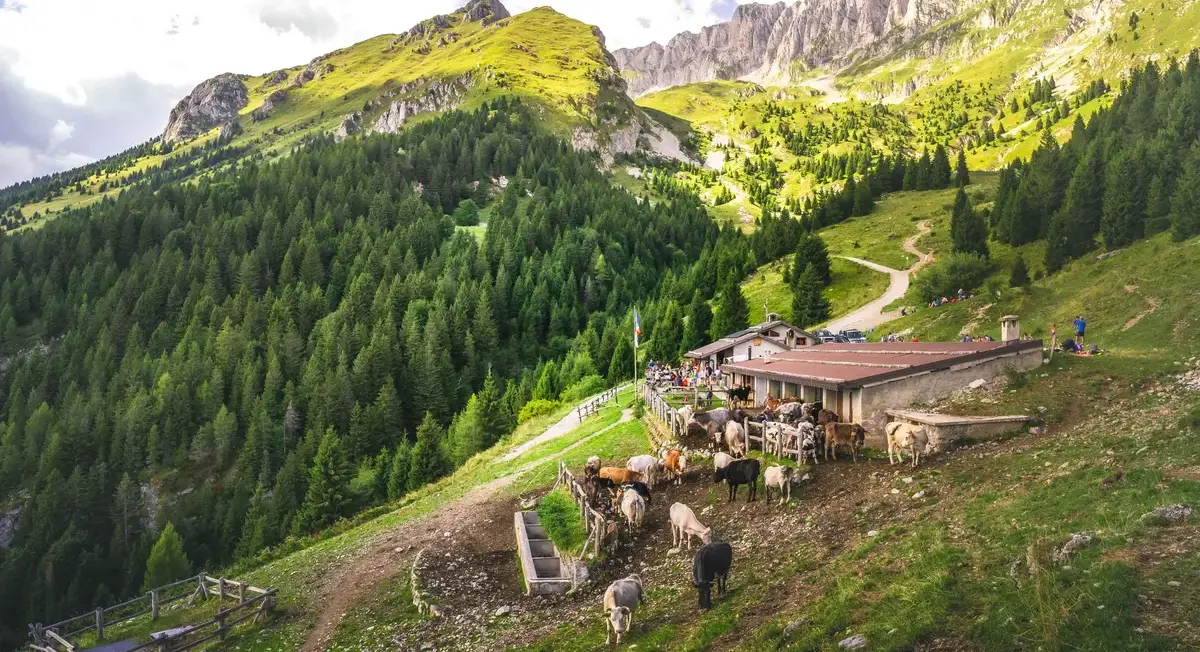
Agritourism is becoming an increasingly important opportunity for farmers and rural landowners looking to diversify their income and make better use of agricultural land and buildings. From farm shops and cafés to holiday accommodation, glamping, educational visits and visitor attractions, agritourism can create new commercial opportunities alongside an existing agricultural business.
However, converting agricultural land or buildings for tourism, leisure or visitor use can raise important planning issues. A project may be connected to an existing farm business but still require planning permission where there is a material change of use, new building works or development that falls outside permitted development rights.
The planning position will depend on the specific nature of the proposal. Factors such as the existing lawful use of the land, the proposed activity, the scale of the development, visitor numbers and the location of the site can all affect whether planning permission or prior approval is required.
Understanding these issues before investing in buildings, infrastructure or visitor facilities can help reduce the risk of delays, enforcement action and unnecessary costs.
At Charrette Law, we advise farmers, landowners, property owners and developers on planning and legal matters affecting rural development, farm diversification and changes of use.
What Is Agritourism?
Agritourism generally involves combining agricultural activity with tourism, recreation, education or visitor experiences.
It allows farmers and rural landowners to create additional income streams by opening aspects of their land, buildings or agricultural operations to visitors.
Common Types of Agritourism
Agritourism can take many different forms, including:
- Farm shops.
- Farm cafés and restaurants.
- Holiday cottages.
- Glamping sites.
- Shepherd’s huts and cabins.
- Campsites.
- Farm attractions.
- Educational farm visits.
- Pick-your-own activities.
- Animal experiences.
- Nature and wildlife activities.
- Outdoor recreation.
- Seasonal events.
- Rural workshops and experiences.
The planning position will depend on the precise activity being carried out. Agritourism is not a single planning use, and each proposal must be assessed according to its own circumstances.
Why Planning Advice Is Important
A relatively small visitor activity may have very different planning implications from a large-scale tourism destination.
For example, occasional farm visits may be treated differently from establishing a permanent visitor attraction with dedicated parking, cafés, signage and regular events.
Before beginning work, it is important to establish whether the proposed activity involves:
- A material change of use.
- Operational development.
- New buildings or structures.
- Conversion of agricultural buildings.
- Development requiring prior approval.
- Development requiring full planning permission.
The attached article also identifies the importance of considering the existing lawful use, proposed use, scale, location and environmental constraints before proceeding.
Does Agritourism Require Planning Permission?
Agritourism may require planning permission, depending on the nature and scale of the proposal.
Simply because an activity is connected to a farm does not automatically mean that it can be carried out without planning permission.
Material Change of Use
One of the main planning considerations is whether the proposed activity represents a material change of use.
Agricultural land and buildings may have a lawful agricultural use. Using them for tourism, retail, hospitality or other commercial purposes may change the character of the use.
For example, converting an agricultural building into:
- Holiday accommodation.
- A café.
- A farm shop.
- A visitor centre.
- A leisure facility.
may require a separate planning assessment.
The planning authority will consider the actual nature of the proposed use rather than simply whether it forms part of a wider farm diversification strategy.
New Development
Planning permission may also be required where the project involves new development.
This could include:
- Constructing visitor accommodation.
- Building a new café or restaurant.
- Creating a car park.
- Installing permanent visitor facilities.
- Constructing new access routes.
- Erecting substantial structures.
- Making significant alterations to existing buildings.
The exact planning route will depend on the proposal and whether any relevant permitted development rights apply.
Agritourism and Farm Diversification
Agritourism is often part of a wider farm diversification strategy.
Diversification can help agricultural businesses generate additional income while making use of existing land, buildings and rural assets.
However, diversification into tourism or commercial activities can change the planning position.
Reusing Existing Agricultural Buildings
Using an existing building can sometimes be more straightforward than constructing an entirely new facility.
Potential conversions may include:
- Barns into holiday accommodation.
- Agricultural buildings into cafés.
- Farm buildings into shops.
- Buildings into visitor centres.
- Existing structures into flexible commercial space.
However, an agricultural building cannot automatically be converted simply because it already exists.
The applicable planning rules, permitted development rights and any relevant conditions must be considered.
Building New Agritourism Facilities
Where a new building is proposed, the Local Planning Authority may consider:
- Whether the development is genuinely required.
- Whether existing buildings could be reused.
- The size and design of the building.
- Its location within the site.
- Landscape and visual impact.
- Highway and access implications.
- Environmental effects.
- The relationship with the existing agricultural business.
A well-prepared planning proposal should clearly explain why the development is appropriate for its rural location.
Agritourism and Permitted Development Rights
In some circumstances, permitted development rights may provide opportunities for agricultural development or changes of use without the need for a full planning application.
However, permitted development rights are subject to specific conditions, limitations and exclusions.
Understanding the Relevant Permitted Development Right
It is important to identify the precise permitted development right that may apply to the proposed development.
The fact that one type of agricultural development can benefit from permitted development does not mean that every tourism or diversification proposal will qualify.
Depending on the proposal, you may need to consider:
- The lawful use of the building.
- The date and history of the building.
- The size of the agricultural holding.
- The proposed new use.
- Development limitations.
- Location-specific restrictions.
- Prior approval requirements.
Permitted development rights should therefore be reviewed carefully before any work begins.
Prior Approval for Agritourism Development
Some permitted development rights require prior approval from the Local Planning Authority.
Prior approval is different from a full planning application. The authority considers specific issues identified within the relevant legislation rather than assessing the entire proposal in the same way as a standard planning application.
Depending on the development, relevant matters may include:
- Transport and highways.
- Noise.
- Contamination.
- Flood risk.
- Design.
- Location.
Planning an Agritourism Project?
Before converting agricultural buildings, constructing visitor facilities or changing the use of rural land, it is important to establish the correct planning route.
Charrette Law can advise on agritourism planning permission, farm diversification, changes of use, permitted development and planning applications. Contact our team before committing significant time and investment to your project.
Common Types of Agritourism Development
Different agritourism projects can raise different planning considerations.
Farm Shops
A farm shop can provide an additional source of income and create an opportunity to sell produce directly to visitors.
However, the planning position may depend on the scale and nature of the operation.
Key Planning Considerations for Farm Shops
The Local Planning Authority may consider:
- The scale of the retail operation.
- The type of goods being sold.
- Visitor numbers.
- Parking.
- Traffic generation.
- Access.
- Building works.
- Impact on the surrounding area.
Where permitted development rights are relied upon, the relevant conditions and limitations must also be satisfied.
Farm Cafés and Restaurants
A café or restaurant may attract significantly more visitors than the agricultural use of a site.
Planning considerations can include:
- Traffic.
- Parking.
- Access.
- Noise.
- Odour.
- Waste.
- Opening hours.
- Deliveries.
- Building alterations.
- Impact on neighbouring properties.
The greater the scale and intensity of the operation, the more important it becomes to consider the potential impact on the surrounding area.
Holiday Accommodation and Glamping
Holiday accommodation is another popular form of agritourism.
Types of Rural Tourist Accommodation
This may include:
- Farm cottages.
- Converted barns.
- Glamping units.
- Shepherd’s huts.
- Cabins.
- Campsites.
- Other forms of visitor accommodation.
The planning position will depend on the precise type of accommodation, how it will operate and the characteristics of the site.
New accommodation and conversions may require planning permission, although permitted development rights may apply in certain circumstances.
Farm Attractions and Visitor Experiences
Farm attractions can range from small educational experiences to larger visitor destinations.
Examples include:
- Petting farms.
- Children’s activities.
- Wildlife experiences.
- Educational tours.
- Seasonal events.
- Outdoor recreation.
The scale and frequency of visitor activity can be particularly important. A proposal involving occasional visits may have a different impact from a permanent attraction operating throughout the year.
What Will the Planning Authority Consider?
Where planning permission is required, the Local Planning Authority will assess the proposal against relevant planning policies and other material considerations.
Traffic and Highway Safety
Agritourism can increase visitor numbers and vehicle movements.
The authority may consider:
- Road capacity.
- Site access.
- Visibility.
- Traffic generation.
- Parking provision.
- Pedestrian safety.
- Emergency access.
A rural road that is suitable for agricultural vehicles may not necessarily be suitable for a significant increase in visitor traffic.
Landscape and Visual Impact
The countryside can be particularly sensitive to new development.
New buildings, car parks, lighting, signage and visitor infrastructure may affect the character and appearance of the surrounding landscape.
The design, materials, scale and location of development can therefore play an important role in the planning assessment.
Noise and Disturbance
Visitor activities can introduce noise that was not previously associated with the agricultural use of the site.
Potential issues may include:
- Outdoor events.
- Music.
- Evening activities.
- Increased traffic.
- Visitor activity.
- Deliveries.
This can be particularly important where residential properties are located close to the proposed development.
Environmental Considerations
Depending on the location of the site, environmental issues may also need to be considered.
These can include:
- Biodiversity.
- Ecology.
- Protected habitats.
- Flood risk.
- Water.
- Agricultural land.
- Land contamination.
- Landscape character.
Agritourism on Green Belt Land
Agritourism proposals on Green Belt land may face additional planning considerations.
This does not necessarily mean that development cannot take place. However, proposals involving new buildings, changes of use or other forms of development may need to be assessed against Green Belt planning policy.
Reusing Existing Buildings
The reuse of existing agricultural buildings may raise different issues from constructing entirely new buildings.
The planning assessment will depend on the nature of the building, its existing use, the proposed use and the applicable planning policies.
Agritourism and Planning Conditions
Where planning permission is granted, it may be subject to conditions.
Conditions can regulate:
- Opening hours.
- Parking.
- Landscaping.
- Materials.
- Lighting.
- Noise.
- Access.
- The approved use.
- The number or type of visitor facilities.
Why Planning Conditions Matter
Planning conditions are legally important.
Failure to comply with a condition can result in enforcement issues and may delay the operation or expansion of the business.
Property owners and developers should therefore understand all planning conditions before beginning work or operating the new use.
What Happens if Agritourism Planning Permission Is Refused?
A planning refusal does not necessarily mean that the project cannot proceed.
The reasons for refusal should first be carefully reviewed.
Depending on the circumstances, it may be possible to:
- Amend the proposal.
- Provide additional supporting information.
- Address specific planning concerns.
- Submit a revised application.
- Challenge the decision through a planning appeal.
Common issues that can lead to refusal include:
- Highway safety concerns.
- Landscape impact.
- Unacceptable scale.
- Noise and disturbance.
- Environmental impacts.
- Green Belt policy.
- Harm to neighbouring properties.
- Conflict with local planning policy.
How Charrette Law Can Help With Agritourism Planning Permission
Agritourism projects can involve a combination of agricultural, commercial, property and planning issues.
At Charrette Law, we provide advice to farmers, landowners and developers who are considering rural development and farm diversification projects.
Our Agritourism Planning Advice Can Include
We can assist with matters involving:
- Agritourism planning permission.
- Farm diversification.
- Changes of use.
- Planning applications.
- Planning appeals.
- Permitted development.
- Prior approval.
- Green Belt development.
- Environmental considerations.
- Rural property development.
- Restrictive covenants.
Early advice can help identify potential obstacles before substantial investment is made in a project.
Get Expert Advice on Agritourism Planning Permission
Agritourism can create valuable opportunities for farmers and rural landowners looking to diversify their businesses and create additional sources of income.
However, changing agricultural land or buildings to tourism, leisure, hospitality or visitor uses can involve complex planning considerations.
Permitted development rights may provide opportunities in some circumstances, but they are subject to specific requirements. Where those rights do not apply, planning permission may be required.
Obtaining advice before starting work can help you identify the correct planning route, understand potential restrictions and reduce the risk of delays or enforcement action.
If you are considering a farm diversification project, visitor attraction, farm shop, holiday accommodation or other agritourism development, contact Charrette Law for expert planning and legal advice tailored to your project.
Frequently Asked Questions About Agritourism Planning Permission
Do I need planning permission for agritourism?
Potentially. Planning permission may be required where there is a material change of use, new development or where the proposal does not qualify under permitted development rights.
Can I run a farm shop without planning permission?
The answer depends on the nature and scale of the farm shop and whether any relevant permitted development rights apply. Some proposals may require prior approval or a planning application.
Do I need planning permission for farm holiday accommodation?
Potentially. The planning position depends on the type of accommodation, the proposed use of the land or building and whether any relevant permitted development rights apply.
Can I convert a barn into agritourism accommodation?
It may be possible, but the planning route will depend on the building, its history, the proposed use and the applicable planning rules.
Can I develop agritourism facilities on Green Belt land?
Potentially, although Green Belt policies can create additional planning restrictions. Each proposal will need to be assessed according to its individual circumstances.
Can permitted development rights help with farm diversification?
Certain agricultural development and changes of use may benefit from permitted development rights where the relevant conditions and limitations are satisfied.
What happens if my agritourism planning application is refused?
Depending on the circumstances, you may be able to amend the proposal, submit a revised application or pursue a planning appeal.
Does agritourism have to remain connected to farming?
The planning position depends on the nature of the activity. A tourism or commercial use may be treated separately from the agricultural operation, even where it is located on a working farm.
Can Charrette Law help with agritourism planning permission?
Yes. Charrette Law can advise farmers, landowners and developers on agritourism planning permission, farm diversification, changes of use, permitted development, planning applications and related planning issues.